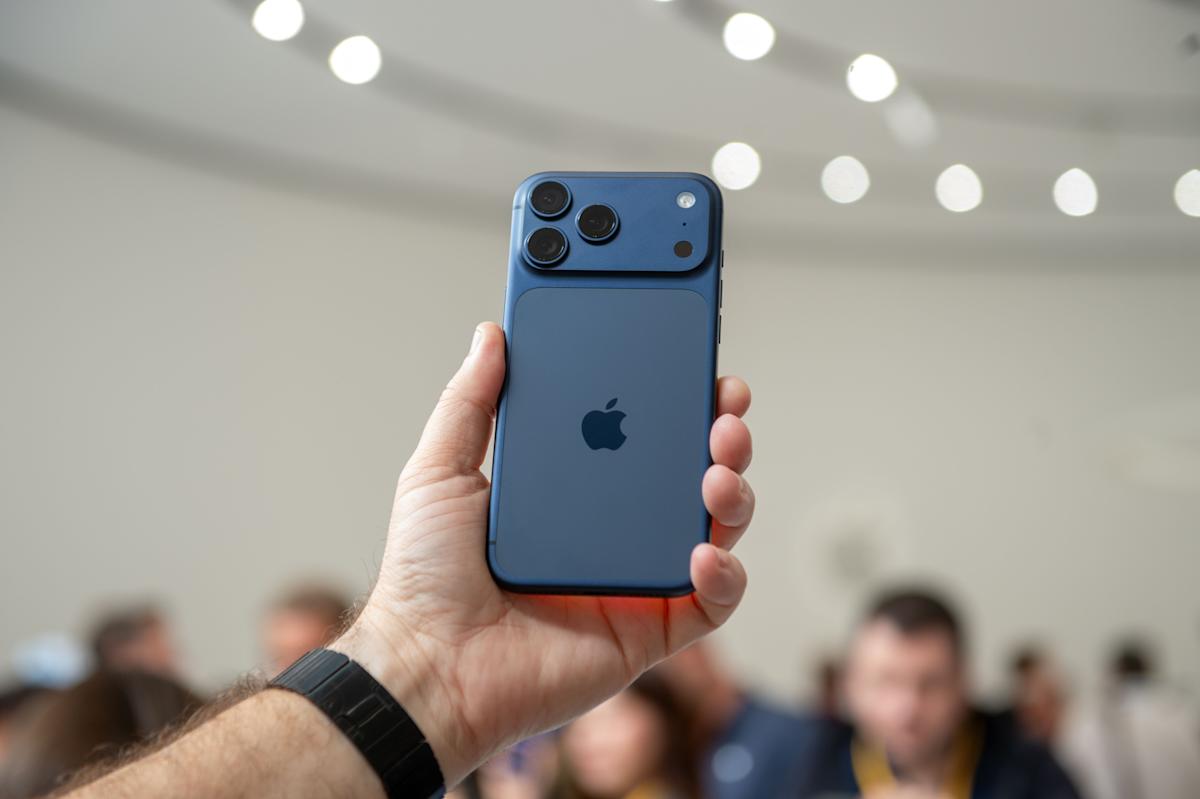
Celebrating 50 Years of Apple Inc.: A Journey of Transformation and Resilience
On April 1, 2026, Apple Inc., originally founded as Apple Computers by Steve Jobs, Steve Wozniak, and Ronald Wayne, celebrates its 50th anniversary. From modest beginnings in a garage, Apple has transformed into one of the world’s most influential companies, embodying innovation and adaptability.
Initially, Apple aimed to market Wozniak’s Apple I computer to enthusiasts, quickly evolving into a pioneer in personal computing, portable music, and smartphone technologies, before venturing into music and video streaming services. This continual reinvention has been vital to Apple’s longevity, especially after facing near bankruptcy in the late 1990s. Today, it ranks as the second-most-valuable publicly traded company globally.
As Apple celebrates its milestone, it faces a crucial moment amidst the rapid rise of artificial intelligence (AI) in the tech landscape. The company, which has struggled to keep pace with competitors, especially in enhancing its AI-powered Siri, must leverage its historic capacity for innovation to navigate the next 50 years successfully.
Historical Significance of Apple’s Products
The Apple I and its successor, the Apple II, were early entrants into the personal computer market, significantly different from contemporary computers. The Apple I was essentially a circuit board requiring additional components like a power supply and display, whereas the Apple II integrated a keyboard but still required a monitor.
Bill Fernandez, Apple’s first employee, witnessed the early magic of Apple’s journey, highlighting the company’s commitment to making technology accessible to everyday users. Fernandez noted that while Apple wasn’t alone in the personal computer race—competing against companies like Radio Shack and Commodore—its success stemmed from superior marketing, product quality, and service.
Corporate Evolution: From Computers to Consumer Electronics
The company’s identity transformed after Jobs returned in 1997, culminating in a rebranding from Apple Computers to simply "Apple" in 2007, signifying its expansion beyond computers into the broader consumer electronics market. During this pivotal time, Apple introduced game-changing products, most notably the iPhone in 2007, which fundamentally altered the mobile landscape.
Tim Monzures, a former Apple intern who witnessed the iPhone’s launch, reflected on the operational challenges Apple encountered as it geared up to meet overwhelming consumer demand. Under CEO Tim Cook’s leadership, Apple shifted focus from a single product ethos to a broader operational and execution strategy.
A New Era of Challenges and Opportunities
Despite its remarkable history, Apple faces growing concerns regarding its AI capabilities and product innovation. Tech analysts have noted that since the launch of the iPhone, the company has been slow to release groundbreaking products, leading to fears of stagnation.
In contrast to its competitors, Apple was initially slow to respond to the AI boom triggered by OpenAI’s ChatGPT. While companies like Google are gaining momentum with their AI developments, Apple continues to face scrutiny for its pace of innovation. Nevertheless, Apple has secured a partnership with Google for AI integrations, including enhancing its Siri functionality.
In recent years, Apple has diversified its revenue sources, with its Services segment now a significant revenue generator, contributing $109.2 billion to its total revenue of $416.2 billion in fiscal 2025. This shift indicates a potential future focus on platforms and services rather than solely hardware products.
Looking Ahead: What’s Next for Apple?
As Apple embarks on its next half-century, the company stands at a crossroads. The potential for future evolution remains vast, with suggestions that it could transform into a platform-focused business, similar to other leading tech companies.
Reflecting on the past 50 years, Apple’s founders could not have predicted the company’s current stature, nor can we envision its trajectory for the next 50 years. However, what remains clear is Apple’s unwavering commitment to innovation and quality, driving it to adapt and thrive through various challenges.
As we celebrate this significant milestone, the question remains: how will Apple continue to adapt in a world increasingly defined by AI and digital transformation? The future will unfold in extraordinary ways, but Apple’s legacy as a transformative force in technology is already cemented.
Contact: Daniel Howley at dhowley@yahoofinance.com, and follow on Twitter: @DanielHowley.
Stay updated with the latest insights on technology and finance by following Yahoo Finance.