Table of Contents
ATO Targets $50 Billion in Unpaid Tax Debt Amid Fuel Crisis

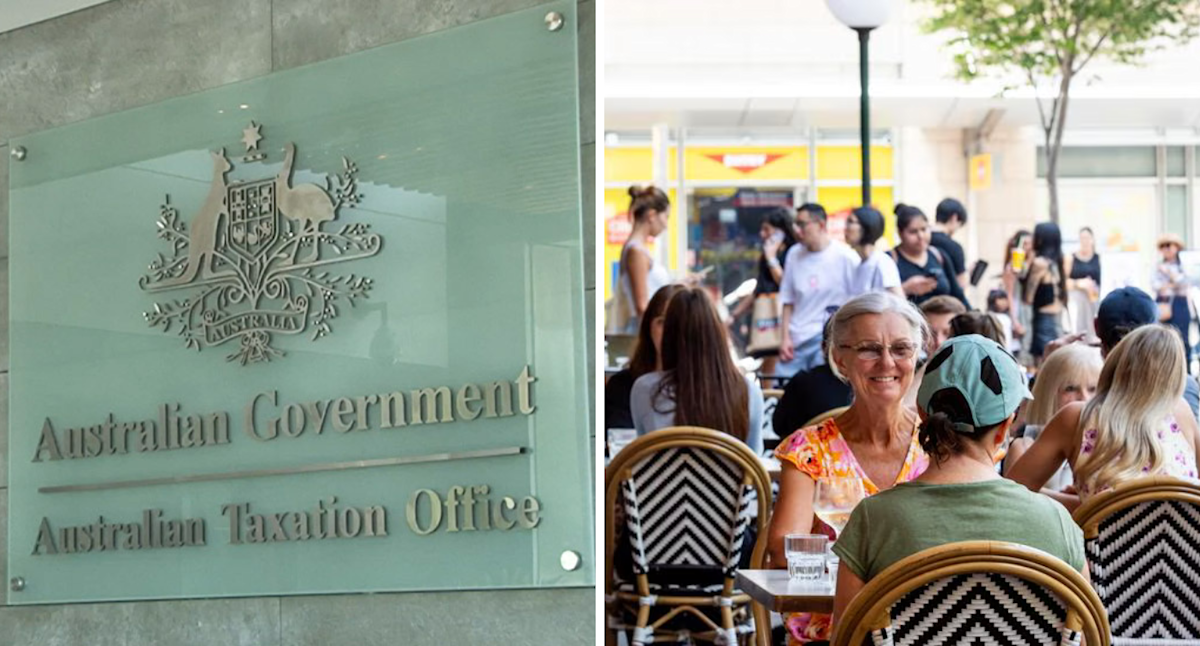
The ATO is currently trying to claw back $50 billion in unpaid taxes, with nearly two-thirds owed by small businesses. (Source: ATO/Newswire)
The Australian Taxation Office (ATO) is currently making efforts to recover over $50 billion in outstanding tax debts, with a significant portion—approximately 66%—sourced from small businesses. The ATO has acknowledged the pressures small businesses face due to rising fuel prices driven by the ongoing conflict in the Middle East, which has prompted calls for a more lenient approach to tax debt collection.
In a response to the current economic challenges, the ATO has indicated intentions to adopt a "practical and proportionate" approach in managing tax recoveries. This comes after a pause in recovery actions during the pandemic, which has now resumed as businesses struggle with heightened costs related to fuel supply uncertainties.
Practical Assistance for Small Businesses
A spokesperson for the ATO assured the business community that the agency is sensitive to the difficulties experienced by small businesses. "We encourage businesses encountering cash flow issues to reach out to their banks, professional tax advisors, or contact us directly early on," the spokesperson stated.
The Council of Small Business Organisations Australia (COSBOA) has been actively advocating for the ATO and financial institutions to implement more accommodating measures to help businesses maintain cash flow during this tumultuous period. COSBOA CEO Skye Cappuccio highlighted the increased burden on businesses with tight margins, explaining that even minor increases in operational costs, particularly fuel, could hinder day-to-day operations.
For traders, transport operators, and retailers, fuel represents an essential, non-negotiable expense. As costs escalate, these increases directly influence transport, logistics, and delivery services, further straining operational budgets.
Broader Economic Concerns
Cappuccio further emphasised that fuel price hikes are merely a component of a larger financial stress facing small businesses, which are simultaneously grappling with surging energy, insurance, wage, and compliance costs. This multifaceted strain is warning signs for many small enterprises which are approaching a critical breaking point.
In response to escalating fuel costs, the Australian Restaurant and Cafe Association has proposed that various dining establishments consider implementing a temporary fuel surcharge of 1 to 5% to mitigate financial pressures.
The RBA’s recent Financial Stability Review noted that while company insolvencies have stabilised in general, they remain significantly high in sectors such as hospitality and construction. Importantly, a rising trend indicates that many small businesses are increasingly burdened with unpaid tax debt as the ATO resumes enforcement actions.
Over the preceding year, insolvencies numbered 9,618, inclusive of more than 2,300 company insolvencies within the construction sector and around 1,400 in hospitality.
Conclusion
As the ATO moves to recover outstanding debts while navigating the ongoing economic climate marked by rising fuel prices and operational expenses, the balancing act between enforcing tax obligations and providing relief for struggling businesses is crucial. The emphasis on open communication between businesses and the ATO will be vital as the nation grapples with these challenges.
For continuous updates on this evolving situation, follow us on Facebook, LinkedIn, and Instagram.