Table of Contents
Australians Flee Urban Living for Regional Peace
In recent times, a significant shift has emerged in Australia, with many residents abandoning the hustle of city life to embrace the tranquility of regional areas amid rising living costs. The Sunshine Coast has consistently topped the list as the preferred destination for those seeking this lifestyle change.
The Draw of the Sunshine Coast
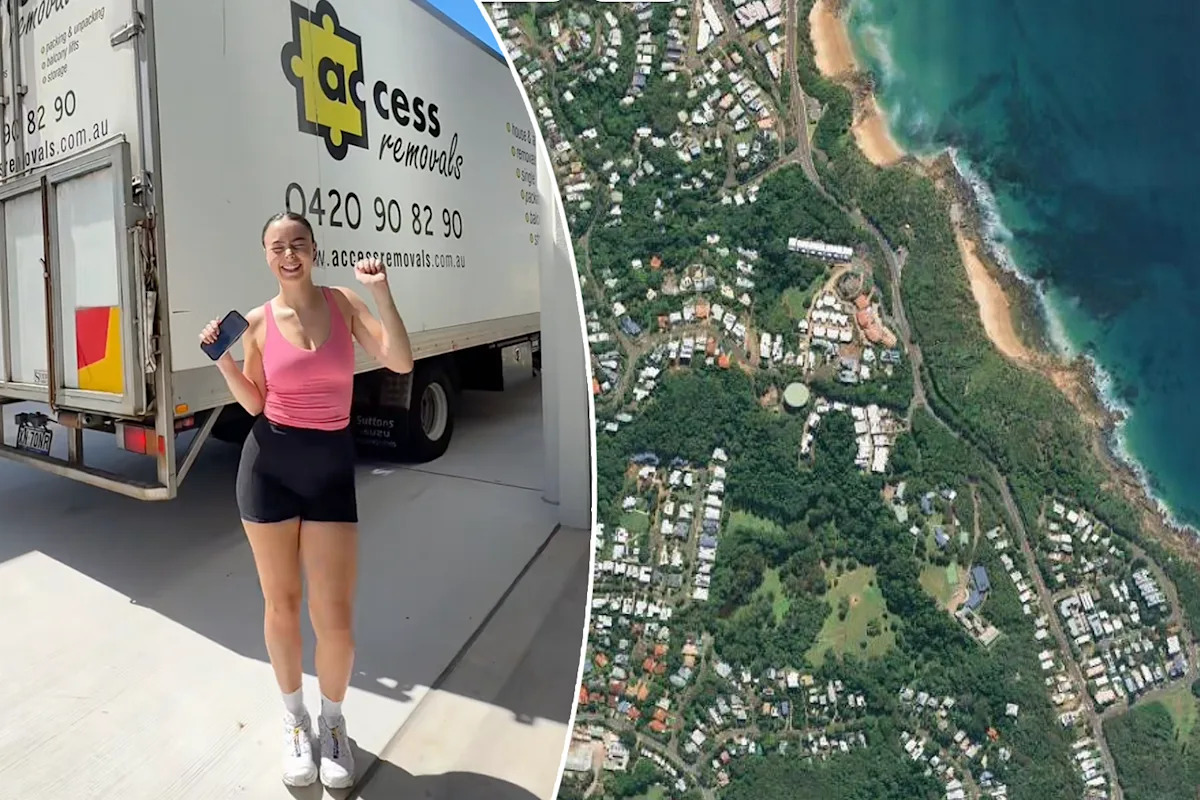
Olivia Jean, a former Sydney local, shared her experience after relocating to the Sunshine Coast this year. "My life is so different now, and I’m genuinely happier," said Jean, highlighting the warm reception she received from the community through her online posts. The area’s appeal lies in its relaxed atmosphere, beautiful beaches, and vibrant community spirit.
Insights from the Regional Movers Index (RMI)
The latest Regional Movers Index (RMI) report, developed with data from the Commonwealth Bank and the Regional Australia Institute (RAI), indicates a subtle change in migration patterns. Although urban dwellers continue to move to popular spots like the Sunshine Coast and Greater Geelong, the number of relocations to these regions has decreased compared to the previous year.
Exploring New Regional Destinations
Interestingly, places like the Fraser Coast—which encompasses Hervey Bay and Maryborough—are drawing current regional inhabitants rather than escaping city dwellers. Liz Ritchie, CEO of RAI, noted a growing trend where capital city residents are attracted to well-known locations, while those from rural areas are exploring other options for affordability.
Demand for regional living has expanded, with former Brisbane and Perth residents seeking new lifestyle options in various regions. Even during the typically slower relocation period in December, interest in regional living remained strong, with capital-to-regional relocations making up 11.6% of movements—the second highest since the pandemic’s onset.
Where Are Movers Coming From?
The primary drivers of this exodus are Sydney and Melbourne, contributing to 54% and 38% of net outflows respectively. "The trend isn’t limited to just the major capital cities; others are also experiencing outflows as people seek more affordable housing and job opportunities," Ritchie highlighted.
Moreover, a diverse range of regional locations are beginning to flourish, including areas in Tasmania like Meander Valley and parts of Victoria such as Indigo and Albury—all exhibiting increased interest from both urban and regional movers.
Factors Fuelling the Demand for Regional Living
Kylie Allen, Executive General Manager of Regional and Agribusiness Banking at Commonwealth Bank, emphasized that this trend represents more than a temporary movement. Ongoing growth signals a shift in how people consider where to live and work long-term. "Strong regional-to-regional migration signifies a maturing pattern where individuals are making thoughtful lifestyle choices," she stated.
In fact, this demand is already influencing the housing landscape, with about 25% of first-time home buyers now opting for properties in regional or remote settings—often securing larger spaces at more reasonable prices.
Allen further noted that the heightened demand in regional areas showcases significant growth potential, with double-digit increases in business lending for regional and agribusiness sectors over the past five years, ultimately contributing to stronger regional economies.
The Fraser Coast ranks third in the emerging hotspots for relocation, followed by Lake Macquarie in New South Wales and Moorabool in Victoria.
Conclusion
The trend of Australians moving away from major metropolitan areas in search of a balanced lifestyle is continually evolving. With the appeal of regional living on the rise, the patterns of migration reflect an important socio-economic shift in how Australians envision their future. As interest grows, it highlights the need for sustainable planning and infrastructure development to accommodate burgeoning populations in these areas.
For those seeking a change, the regional lifestyle offers not only affordability but also a chance to embrace community and nature in a less frenetic environment.