Rising Fuel Prices in the US: A Cause for Concern
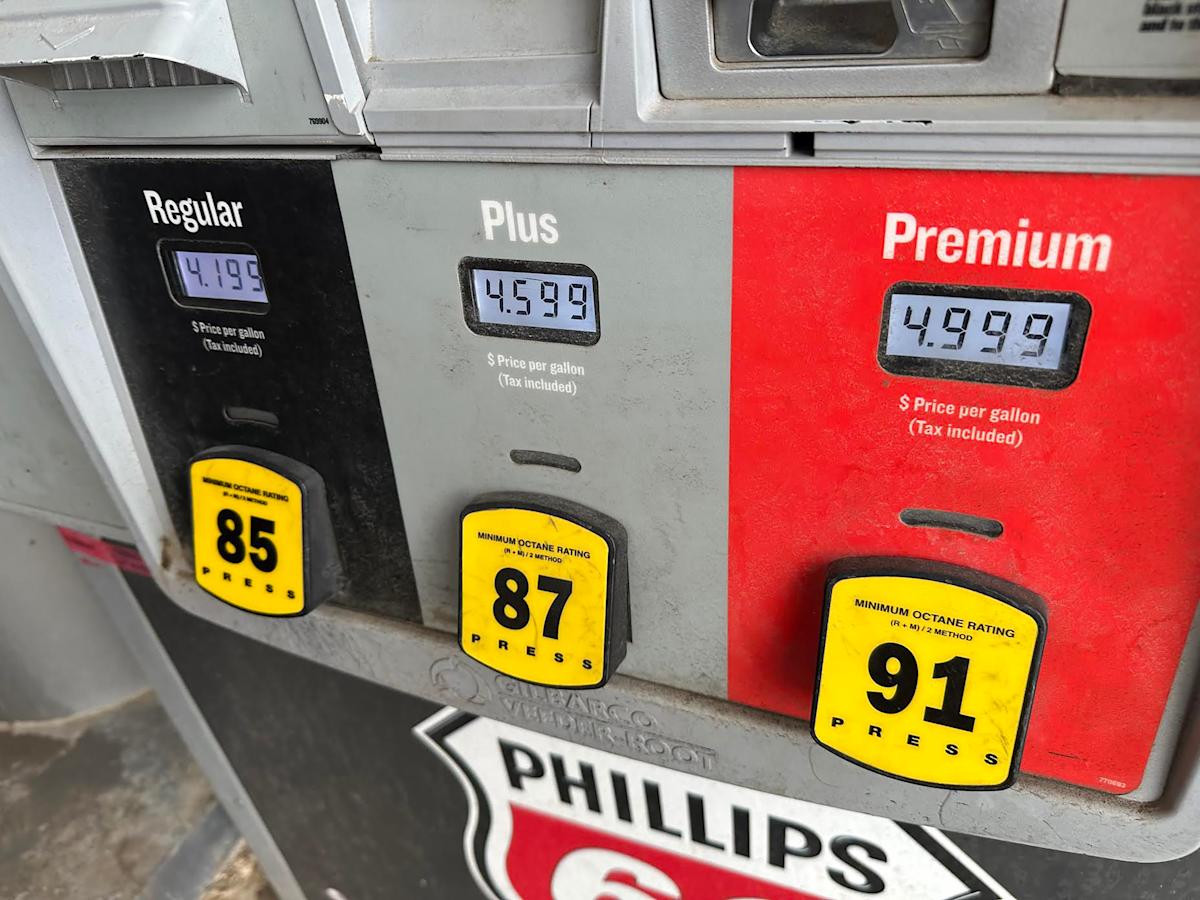
Consumers in the United States are feeling the strain as petrol prices ascend to levels not seen since 2022. On Monday, the average price hit $3.99 per gallon, marking an increase of more than $1 in just a month, driven primarily by disruptions in the crucial oil passage through the Strait of Hormuz. This pivotal waterway has become a focal point of supply constraints, raising alarms among industry analysts.
According to data from AAA, the upward trend in fuel prices is expected to persist as long as global oil supplies remain unsettled by the ongoing turmoil in the Strait. Patrick De Haan, head of petroleum analysis at GasBuddy, highlighted the significant financial impact, estimating that Americans have collectively forked out roughly $8 billion more for petrol since the onset of conflict, with projections suggesting this figure could surpass $10 billion shortly.
The strain on consumers is particularly pronounced for truckers, who find themselves facing even steeper costs. The national average for diesel reached $5.41 per gallon, representing a 44% increase over the past month. The West Coast has been particularly affected, where diesel prices have hit an alarming high of $7.36 per gallon, with gasoline not far behind at just under $6 per gallon.
California’s high prices stem from a combination of factors, including a lack of refineries, elevated taxes, and a heavy reliance on refined fuel imports from Asia, which leaves the state especially vulnerable to price shocks. Tom Kloza, chief energy advisor at Gulf Oil, emphasised the precarious situation, noting that should a refinery experience downtime due to unforeseen circumstances, another price spike could ensue.
Meanwhile, the crude oil market is reflecting these pressures, with West Texas Intermediate exceeding $102 per barrel and the global benchmark Brent rising to around $108 per barrel. This escalation in crude oil prices further complicates the landscape for consumers and businesses alike.
The situation has attracted heightened military attention, with recent deployments of US Marines and airborne troops to the Middle East, alongside special operations forces, as Washington weighs options regarding the reopening of the Strait of Hormuz.
This strategic waterway has become increasingly critical in the context of the ongoing tensions with Iran. While President Biden’s administration has opted to pause strikes on Iranian energy infrastructure, talks with Tehran are being explored to mitigate the crisis.
In addition, recent developments have seen Houthi rebels announcing their involvement in the broader Middle East conflict, raising concerns over regional stability, notably along the Red Sea near Saudi Arabia. In response to these escalating tensions, Riyadh has successfully rerouted over 5 million barrels of oil daily through its Port of Yanbu, avoiding the volatile Strait of Hormuz.
In summary, the landscape of fuel pricing in the US is increasingly daunting, with rising costs driven by geopolitical disruptions and supply vulnerabilities. As consumers and truckers brace for the financial fallout, the global oil market remains in a state of flux, owing to continued unrest in key regions. All eyes will be on diplomatic efforts that could either ease or exacerbate the current situation in the days ahead.