Nakamoto and MARA Holdings’ Bitcoin Sales Signal Market Struggles
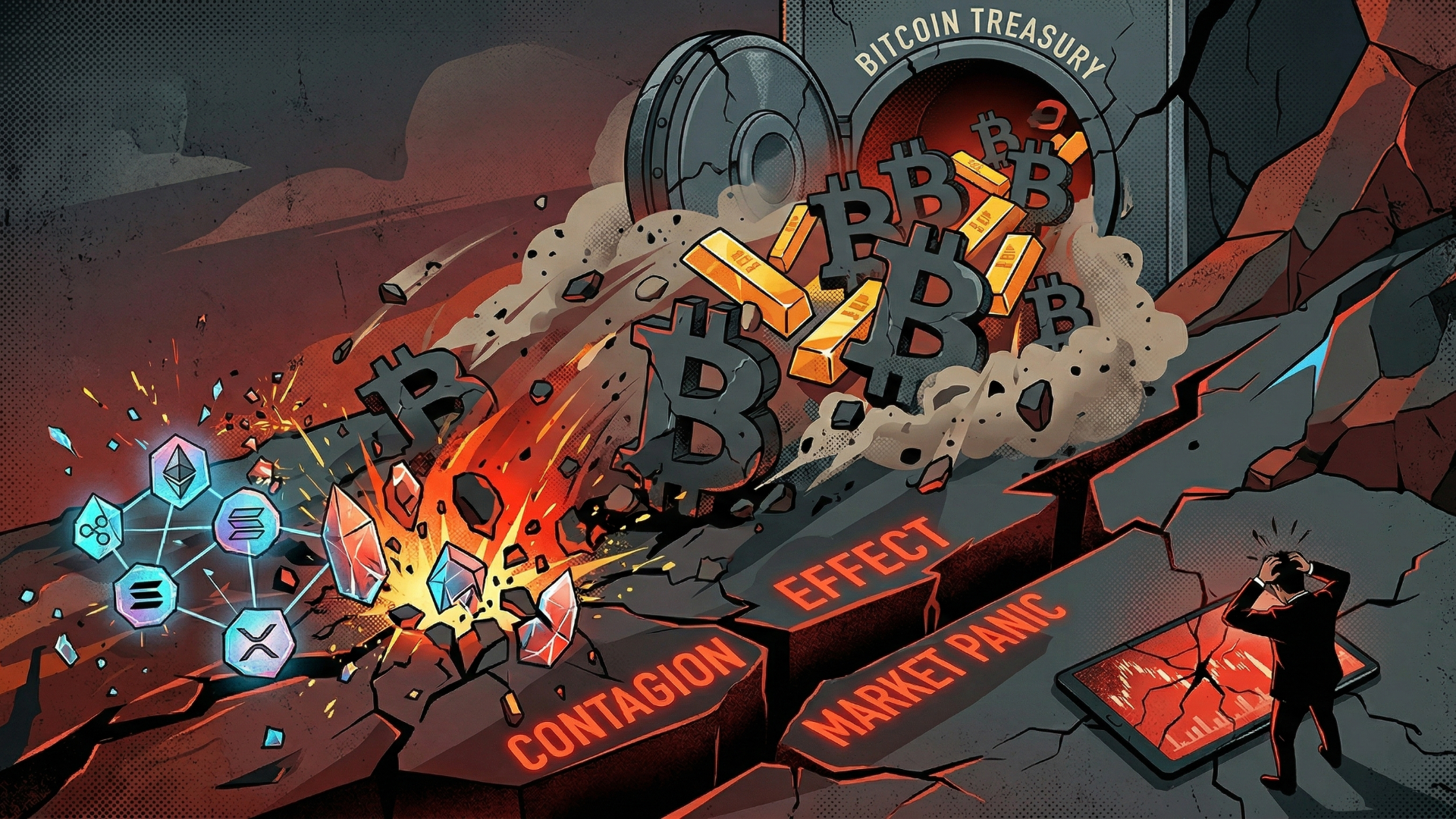
In March 2026, Nakamoto Holdings (NAKA) made headlines for selling 284 BTC, realising approximately US$20 million (AU$29 million) at an average price of US$70,422 (AU$102,112) per coin. This transaction resulted in a significant loss of around 40%, considering their average acquisition cost was US$118,171 (AU$171,348) per coin. The sale illuminated the precarious situation faced by companies within the Digital Asset Treasury (DAT) landscape, particularly as falling Bitcoin prices compel firms to sell off their assets, further exacerbating market declines.
According to their SEC Form 10-K filing, Nakamoto’s sale accounted for roughly 5.3% of its overall Bitcoin treasury, which comprised 5,342 BTC valued at approximately US$467.5 million (AU$677.88 million). Notably, this position had previously reached a peak market value of US$711 million (AU$1.03 billion) in October 2025, when Bitcoin traded near US$126,000.
Proceeds from the sale were designated for various operational needs, including bolstering reserves, strategic projects, integration initiatives, and servicing a loan from Kraken.
In a separate development, MARA Holdings also announced a substantial sale of Bitcoin in March, offloading 15,133 BTC valued at over US$1 billion (AU$1.45 billion) to address convertible debt obligations. Although this move was framed as tactical, it coincided with significant pullbacks in the market, as both MARA and Riot Platforms saw their stock prices drop by double digits on March 19, when Bitcoin fell below US$72,000.
Mining operations reported average costs of around US$89,000 per Bitcoin, indicating that even as prices fluctuate, the operational costs remain a burden. For MARA, which holds 761,068 BTC at an average acquisition cost of US$75,696 (AU$109,759), the current prices linger below their cost basis. This has resulted in an extraordinary unrealised loss of approximately US$17.4 billion (AU$25.29 billion) for the company, alongside a daunting debt burden exceeding US$8.2 billion (AU$11.89 billion).
The current trend reveals a distressing cycle: as Bitcoin prices drop, firms with significant reserves are pressured into selling to settle debts, ultimately contributing to further price declines. Analysts are expressing growing concern about the sustainability of the Digital Asset Treasury model under these market conditions, particularly as nearly half of the Bitcoin supply has reportedly fallen into loss territory in recent weeks.
As the first quarter closes with a prevailing atmosphere of uncertainty and extreme fear in the Bitcoin market, the repercussions of these sales will likely reverberate across the cryptocurrency landscape. Investors and stakeholders within the sector are left to ponder the potential long-term impacts on balance sheets and market dynamics should this cycle continue.