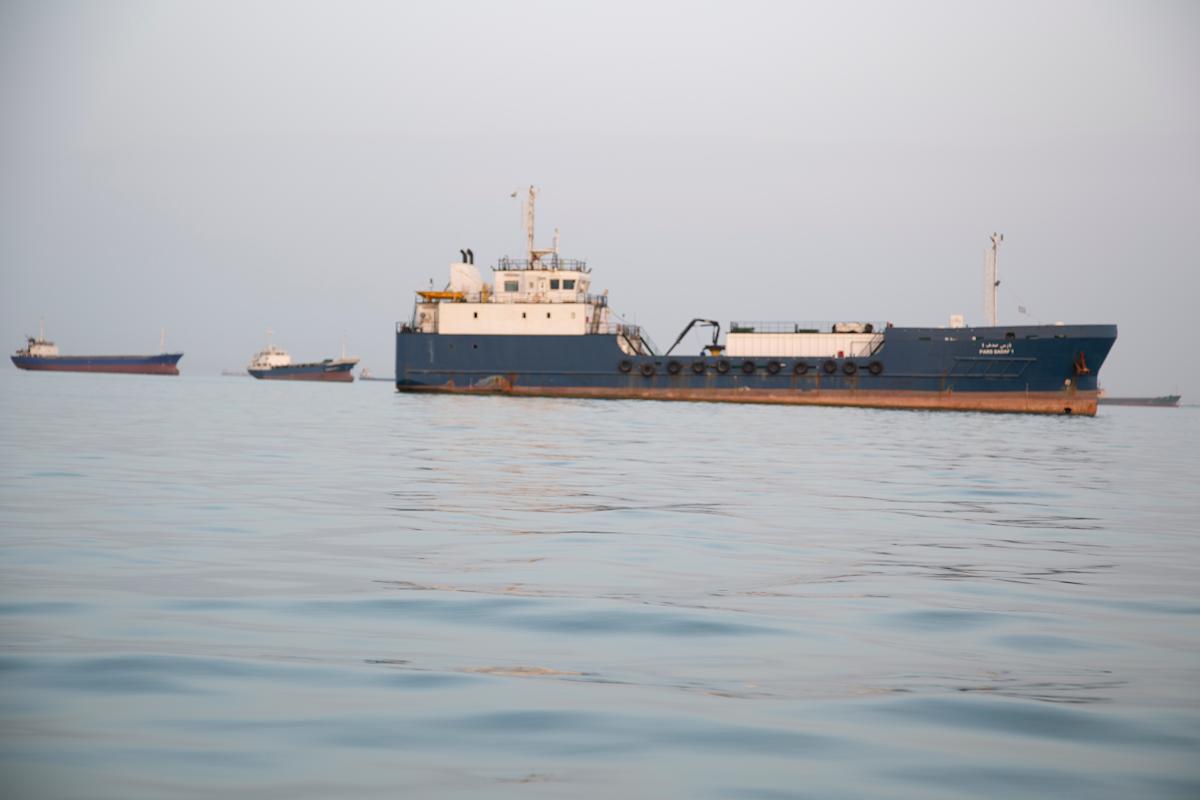
Overview of Recent Oil Price Movements and Geopolitical Tensions in the Strait of Hormuz
Oil prices saw a notable rise on Thursday, with Brent crude surpassing $100 a barrel following statements from the White House regarding potential peace negotiations with Iran. This uptick comes after discussions initially slated for last weekend were postponed, as both nations navigate a standstill concerning the strategic Strait of Hormuz.
Futures for both Brent crude, an international benchmark, and West Texas Intermediate (WTI), a US benchmark, experienced increases of approximately 1.3%, trading at over $103 and $94 per barrel, respectively. The ongoing tensions between the United States and Iran have resulted in a significant halt of maritime traffic in the strait, a crucial passage for global energy resources.
U.S. President Donald Trump announced the indefinite extension of a ceasefire at the behest of Pakistan, despite Iran’s refusal to negotiate under the current conditions, notably while the U.S. naval blockade remains. The blockade is part of the U.S.’ efforts to exert pressure on Iran, a strategy that has resulted in significant military actions, including boarding vessels.
The U.S. military’s stance in the region has intensified, with Trump recently ordering minesweeping operations to prevent any Iranian interference. The president claimed, via social media, that the U.S. has "total control" over the strategic waterway, emphasising that no vessels can move without U.S. approval. This tight control underscores the ongoing conflict affecting oil supply and prices.
Despite the blockade, intelligence reports indicate that over 30 Iranian-linked vessels have successfully navigated the strait. Additionally, Iran’s military activities, including the engagement with multiple vessels in the area, have raised concerns among the U.S. and allied nations. Iranian President Masoud Pezeshkian has expressed a desire for dialogue but cited the blockade and threats as key obstacles to reaching any meaningful agreements.
The consequences of this conflict have already resulted in a significant reduction in global oil supplies, with approximately 500 million barrels lost according to energy analysts. Industry experts, like Russell Hardy from Vitol, predict that the conflict could lead to a guaranteed shortfall of up to one billion barrels of oil, severely affecting global markets. Additionally, an analysis showed that visible oil reserves have diminished by about 225 million barrels since the onset of hostilities, pushing countries, including the U.S., to tap into their reserves to maintain market stability.
Looking ahead, even if the Strait of Hormuz reopens soon, Goldman Sachs forecasts that global oil stocks could hit unprecedented lows, signalling potential volatility in oil prices and supply chains tied to global energy needs.
This ongoing dynamic reflects the precarious balance between geopolitical actions and market reactions, highlighting the integral role of the Strait of Hormuz in global energy security.
In summary, as the U.S. enforces its position in the Strait of Hormuz and relations with Iran remain strained, market players will need to remain vigilant regarding developments that could impact oil prices and availability in the coming weeks.