Bunnings CEO Urges Caution on Work-from-Home Policies Amid Fuel Supply Concerns
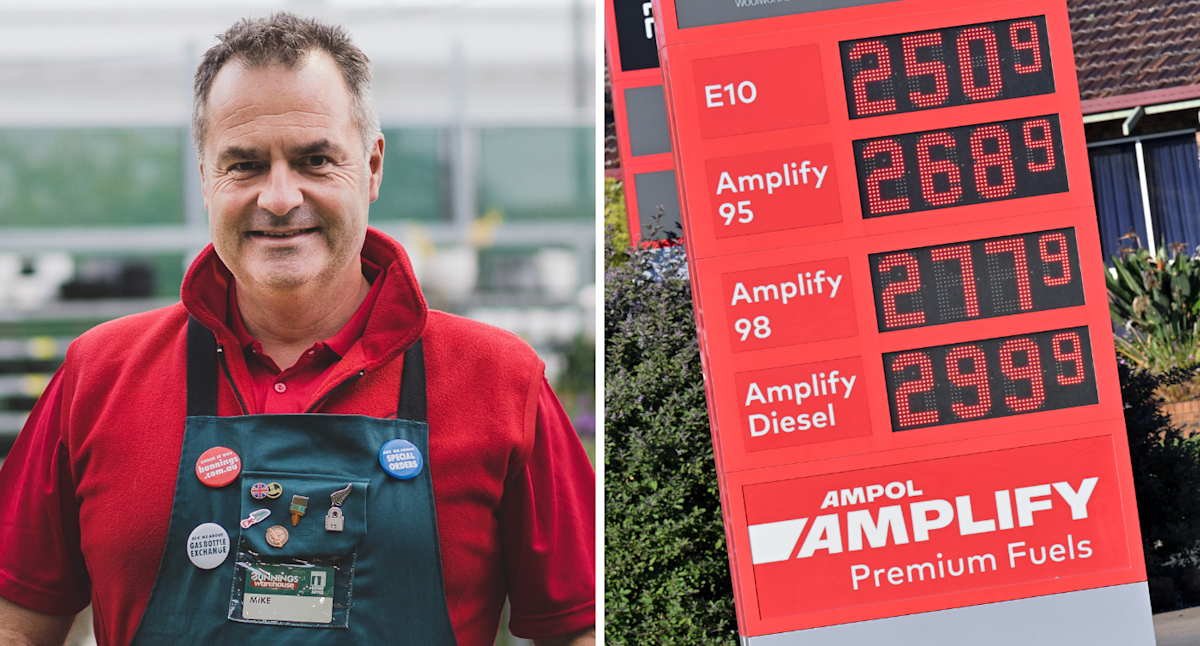
Bunnings managing director Mike Schneider has cautioned against premature government mandates for work-from-home (WFH) policies as fuel supply concerns escalate due to ongoing tensions in Iran. Notably, numerous countries have responded to fuel shortages by instituting WFH measures, prompting discussions in Australia about similar strategies.
The International Energy Agency (IEA) recently recommended measures such as remote working, reduced air travel, and lower driving speeds to help mitigate the impact of fuel supply issues. Prime Minister Anthony Albanese remarked that these suggestions were general recommendations rather than specific directives for Australia, while Energy Minister Chris Bowen has stated that such measures could be sensible in the current climate.
However, Schneider emphasised that it is too soon for comprehensive work-from-home directives. He pointed out that many Bunnings employees do not have the option to work remotely and that the company has shifted to a fully electric vehicle fleet to support sustainable transport solutions.
“We are applying common sense and reminding our teams of alternative transport options,” Schneider commented to The Australian Financial Review, adding that sweeping calls to work from home fail to consider the unique operational requirements of different businesses.
Furthermore, the Finance Sector Union, which represents around 500,000 workers, has called on employers to allow flexible working arrangements tailored to individual circumstances, which may help alleviate pressures from escalating costs associated with fuel and living expenses.
As it stands, the Australian government has not altered working arrangements within the public service, although flexible work options are provided in existing enterprise agreements. The Business Council of Australia, an organisation representing over 100 major companies, has warned against a recap of the Covid-era office shutdowns, advocating for a balanced approach. BCA CEO Bran Black suggested remote work should be considered only for those unable to use public transport or who cannot afford fuel costs.
Black articulated a desire for a “sensible and smart” approach, cautioning that mass transitions to remote work could adversely affect small businesses reliant on foot traffic and customer engagement.
Other business leaders, such as BHP chair Ross McEwan, reinforced the message that companies ought to individually assess their circumstances and workforce needs. Property developer Tim Gurner cautioned that Bowen’s remarks could deter office returns, which are crucial in sectors where physical presence correlates directly with performance and productivity. He warned that short-term flexibility could lead to reduced economic activity and long-term impacts on business culture and efficiency.
At the National Press Club, IEA chief Fatih Birol commented that the recommendations were merely options for governments to consider, varying from country to country based on specific conditions. He noted that if geopolitical tensions were to ease, the necessity of such measures might dissipate, indicating a need for a cautious approach rather than immediate widespread implementation.
Globally, several nations have adopted diverse measures to mitigate fuel shortages. Countries such as the Philippines and Vietnam have instituted four-day work weeks, with Thailand advising public sector workers to work from home and utilise stairs to conserve energy. Pakistan’s government has announced that half of its office workforce will work from home, while essential services will continue functioning in regular offices.
In summarising, as discussions about WFH policies grow louder in the context of rising fuel prices and environmental considerations, Australian business leaders advocate for reasoned and context-specific approaches. The ongoing dialogue underscores the complexities of workforce management in a fluctuating economic environment while balancing operational needs and employee welfare.