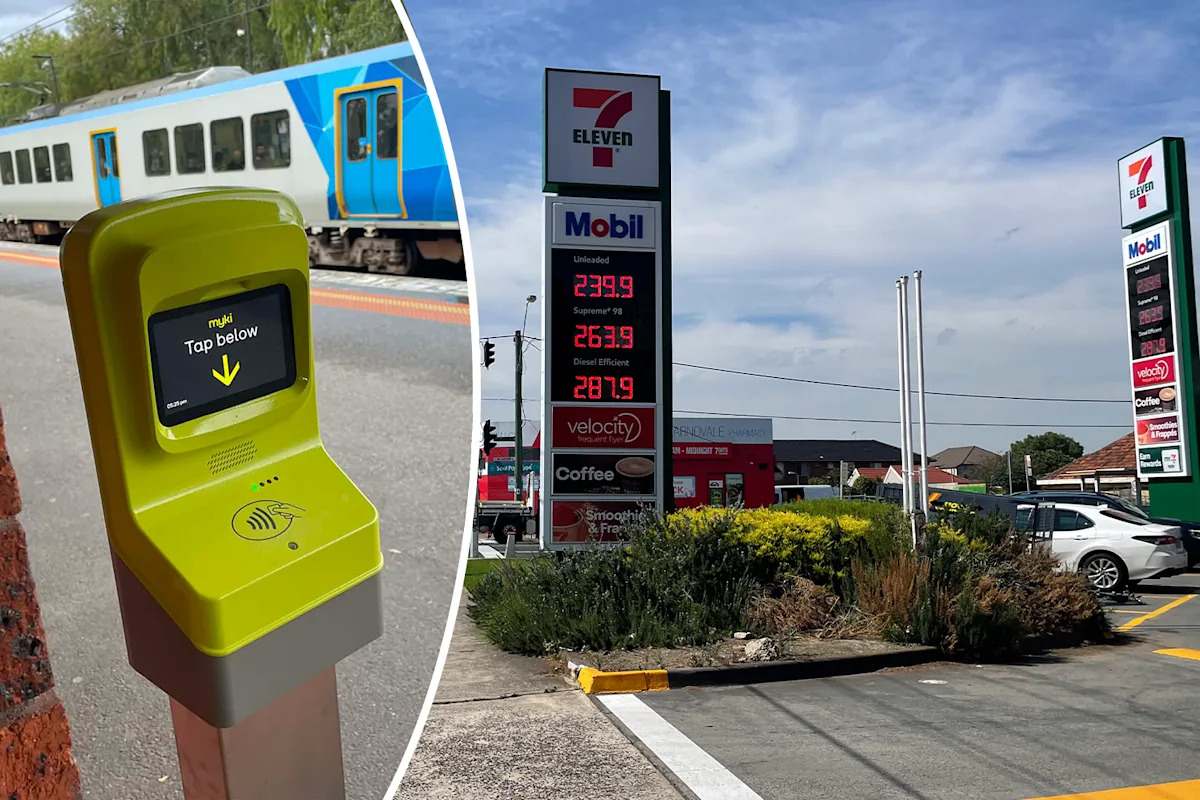
As the fuel crisis continues to burden Australian drivers, there is an escalating demand for significantly reduced costs in public transport, with proposals suggesting fares be dropped to just 50 cents or even made free. Recently, the price of unleaded petrol edged towards $2.50 per litre, prompting the Rail Tram and Bus Union to advocate the change, stating it would benefit city dwellers and conserve petrol supplies for rural areas.
Toby Warnes, the Union’s NSW secretary, expressed grave concern over the looming cost-of-living crisis, suggesting it could have lasting effects on households. The Greens party echoes these sentiments, urging state governments to take action, as emphasised by Victorian leader Ellen Sandell, who remarked that residents are “feeling the pain.”
### Reducing Public Transport Costs: Just the Start
In 2024, Queensland piloted a reduction in public transport fares, bringing them down to 50 cents. This initiative led to a remarkable 16% surge in ridership, resulting in the state making the change permanent in the following year.
Dr John Stone, a transport expert from Melbourne University, highlighted that high transport fares deter potential users, especially in NSW and Victoria. He noted, however, that merely lowering fares isn’t sufficient; governments must also enhance the efficiency of the transit system. A system structured to operate frequently and consistently—providing services every 10 minutes, for instance—could significantly improve user experience.
Australia’s reliance on cars stems from inadequate transport infrastructure that forces many commuters to drive to stations, especially those in suburban areas. Dr Stone believes that this car dependency is not irreversible and that modifying the transport system can alleviate the issue.
### Emphasising Electrification of Public Transit
Addressing the ongoing climate emergency, Dr Stone stresses that reducing dependency on fossil fuels should be a continuous goal. “It’s more straightforward to switch a bus fleet to electric power than to encourage every household to purchase electric cars,” he explained, suggesting it’s an achievable goal within months rather than decades.
### Enhanced Social Connectivity through Public Transport
Shifting towards public transport can foster communal engagement, reducing the feelings of isolation many experience. Dr Stone argues that social environments, such as the camaraderie found on public transport during events like sporting matches or concerts, enhance the riding experience compared to being stuck in traffic.
Countries like South Korea, Japan, and various European nations have leveraged infrastructure around transport hubs—like cafes and restaurants—to make public transit more enjoyable. He believes that crafting a seamless travel experience will encourage broader adoption of public transport.
### Addressing Frustrations with Service Interruptions
One persistent issue is the common occurrence of “buses replacing trains” during maintenance. Dr Stone noted that streamlined operations abroad dictate that train services should continue during maintenance, contrasting with practices in Australia where train companies seem to work at their convenience.
He suggests a reassessment of the privatization of transport services, advocating for public control that prioritises community needs over private cost-cutting measures.
### Conclusion
The discussion surrounding public transportation in Australia has intensified amid the fuel crisis. Advocates are calling for reduced fares and more efficient transit systems while highlighting the socio-economic and environmental benefits of a robust public transport network. Addressing these challenges could pave the way for a more sustainable and connected future for Australian commuters.
If you have insights or suggestions, feel free to reach out via email at newsroomau@yahoonews.com. You can also stay updated through Yahoo News AU on social media channels like Facebook, Instagram, TikTok, Twitter, and YouTube.