Federal Reserve’s Future Under Kevin Warsh: Insights from David Rubenstein
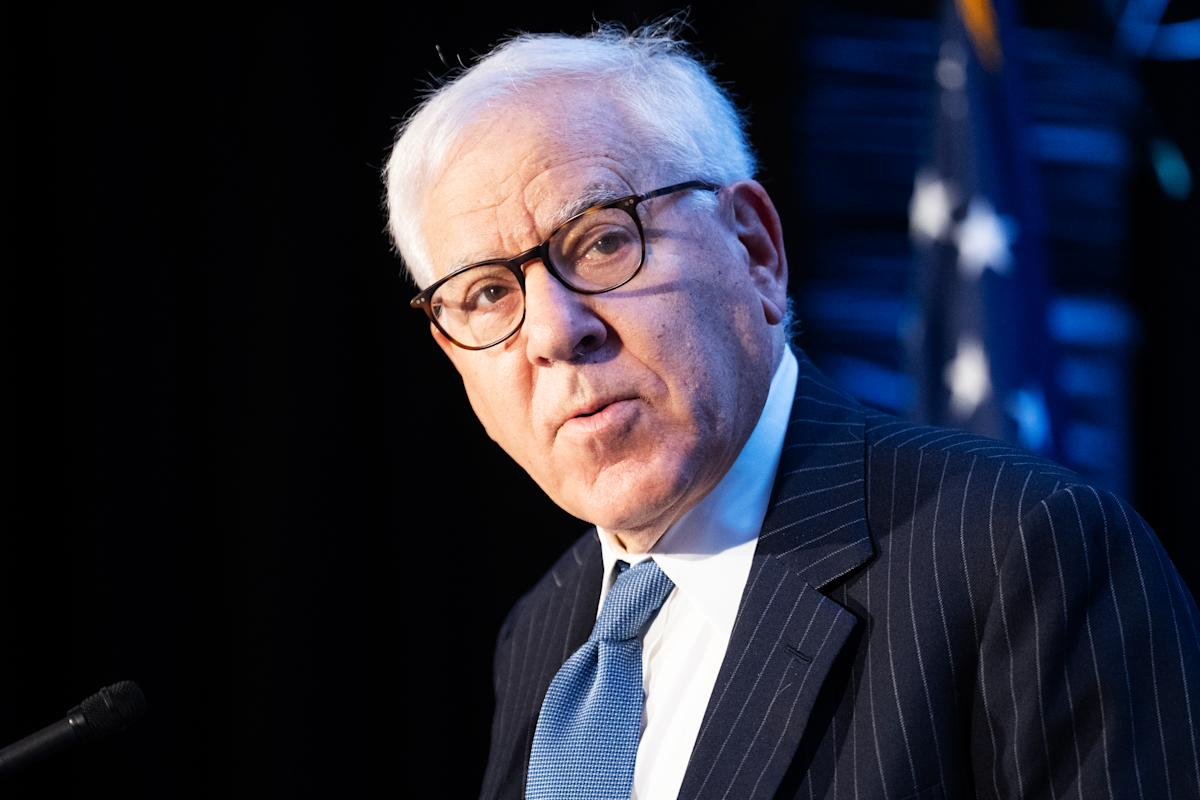
Carlyle Group co-founder David Rubenstein has shared significant insights regarding anticipated shifts at the Federal Reserve (Fed) following the nomination of Kevin Warsh as the new chair. Rubenstein, speaking at the Milken Institute Global Conference, highlighted that under Warsh, market participants can expect less frequent communication from the Fed. However, he expressed the need for Warsh to prove his independence from political pressures, especially concerning interest rate decisions.
Rubenstein posed a critical question: when faced with potential pressure from the presidency to lower interest rates, will Warsh resist saying, “We just can’t do it right now,” or will he acquiesce? His comments suggest that while market sentiment leans towards no immediate rate cuts, the real uncertainty lies in how Warsh will navigate potential political influences from President Trump, who is known for advocating lower interest rates.
Warsh, nominated by Trump to succeed Jerome Powell, is set to officially take over the helm of the Fed on May 15, following a successful confirmation process in the Senate. Serving as a Fed governor from 2006 to 2011, Warsh has consistently advocated for a more focused role for the central bank and has been critical of the extensive expansion of the Fed’s balance sheet during recent years.
Expectations and Potential Challenges Ahead
As Warsh steps into this significant role, there is a general consensus at the Milken conference that he aims to reduce the level of communication from the Fed, possibly echoing the more discreet approach of former Fed chair Alan Greenspan. This shift could lead to a new era of Fed operations, characterised by reduced transparency that some believe is necessary to maintain the central bank’s independence.
Senator Ted Cruz, a former law school classmate of Warsh, expressed confidence in his capabilities, asserting that Warsh would not merely be a puppet for political agendas, contrary to claims by some critics, including Senator Elizabeth Warren. Cruz remarked, “I hope he makes Elizabeth Warren unhappy every single day,” underscoring the expectation that Warsh will maintain a degree of independence amid political pressures.
Bottom Line
The overarching sentiment surrounding the confirmation of Kevin Warsh as the next Fed chair reflects cautious optimism among industry experts and political figures. As Warsh prepares to take on this pivotal role, the financial community is keenly watching how he navigates the delicate balance between independence and political pressure. While the market seems to anticipate a steady interest rate environment for the foreseeable future, Warsh’s response to political directives will be crucial in determining the Fed’s direction moving forward.
This summary encapsulates the current dialogue surrounding the Federal Reserve’s imminent changes, particularly focusing on Kevin Warsh’s nomination and the implications for future monetary policy.