Table of Contents
Escalating Housing Challenges Drive Multi-Generational Living in Australia
As housing costs soar and living expenses rise, the trend of multi-generational living is becoming increasingly popular in Australia. Currently, approximately one in five Australians reside in households that include multiple generations, encompassing parents, grandparents, and children living together.
The Kaminsky Family’s Journey
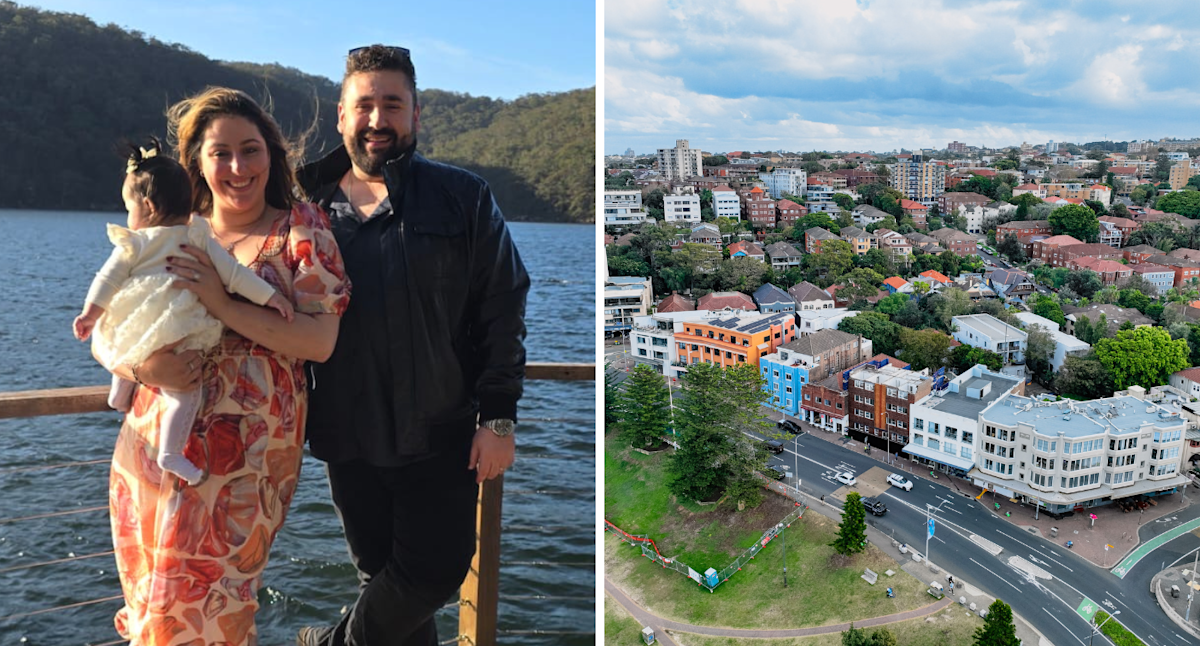
Young couple Daniel Kaminsky, his wife Monica, and their daughter Davina are a prime example of this shift. They share a three-bedroom apartment in Bondi with Monica’s grandmother, 81-year-old Maria. In 2021, the couple bought their first property—a $620,000 apartment in Maroubra—through the government’s low deposit scheme.
Initially, the arrangement worked well. However, escalating costs soon strained their finances. Daniel, a mortgage broker, noted that their monthly repayments swelled from $2,800 to approximately $3,500 as interest rates rose, alongside a 40% increase in strata fees from $800 to $1,100 per quarter.
The couple began to cut back, eliminating dining out and travel to manage their finances effectively. These sacrifices led them to contemplate their future, especially with the prospect of expanding their family.
An Offer of Support
During a family dinner discussing their financial woes, Maria proposed that Daniel and Monica move in with her, a familiar scenario for the couple who had previously lived with Monica’s parents while saving for their home deposit.
Maria had been living alone since her husband passed away a few years prior, and the couple recognised that cohabitating could be mutually beneficial. The family faced the option of either leveraging their property equity to support a growing family or selling their apartment and starting over.
“We figured it would be a win-win situation,” Daniel explained, allowing them to save money and potentially rent out their Maroubra apartment.
Rising Trend of Multi-Generational Households
This trend toward multi-generational living reflects broader societal changes, underscored by recent data from the Australian Bureau of Statistics, which revealed a rise in three-generational households from 275,000 in 2016 to 335,000 in 2021. Studies by AMP highlighted that 55% of Australians are open to this lifestyle, particularly among younger adults aged 20 to 39—68% of whom favour such arrangements.
AMP director of retirement, Ben Hillier, notes that as housing pressures mount and Australia becomes more multicultural, the concept of the "Australian dream" is shifting. "Support is no longer just about the ‘Bank of Mum and Dad’; it’s about the ‘House of Mum and Dad’," he remarked, highlighting how families are finding practical solutions to share housing and expenses.
Finding Balance and Community
Since moving in together in early 2024, the Kaminskys have noted numerous advantages. They received prime support from Maria with the arrival of their daughter, Davina. Not only has this arrangement facilitated a stronger family bond, but it has also allowed the couple to save on childcare expenses, with Maria opting not to return to work after her maternity leave.
Despite challenges due to reduced household income, Daniel observed that pooling resources together has made life easier. “It feels much more manageable than when we had two incomes,” he stated.
Meanwhile, their rented apartment in Maroubra brings in approximately $600 per week, helping them manage their financial obligations.
Looking ahead, the couple aspires to expand their family and has even contemplated moving in with Monica’s parents again for additional space.
Conclusion
In conclusion, the Kaminsky family’s experience highlights a significant societal shift in Australia where multi-generational living offers a viable solution amidst rising housing costs and financial pressures. As more Australians embrace this lifestyle, it is likely to reshape the concept of family living and support in the years to come.