Table of Contents
The Key Insights from Today’s Market Brief
Investing in the hardware aspect of the AI sector has recently gained substantial credibility. While there are various indirect methods for investors to engage in the AI revolution, maintaining a focus on the foundational elements still holds considerable potential.
The Value of Semiconductors in AI
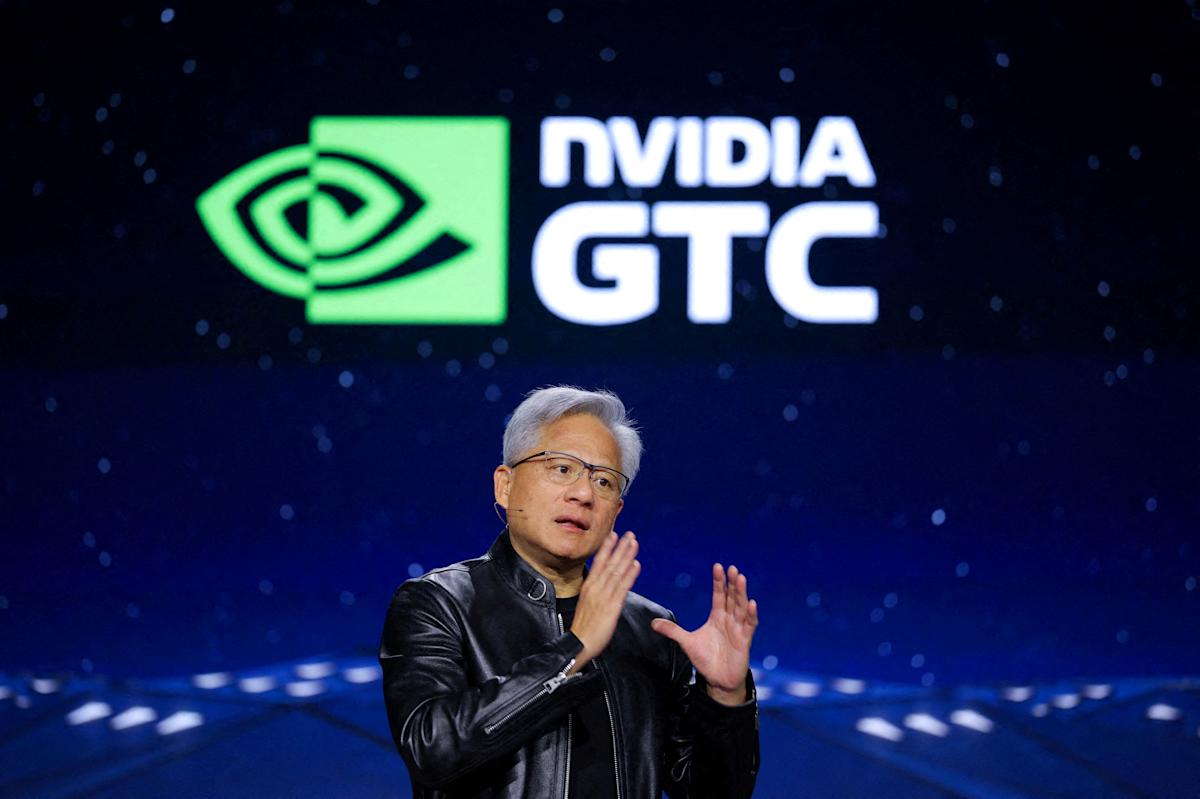
For technology investors, this translates to owning physical silicon components crucial for AI functionality. Bank of America analyst Vivek Arya has revised the global semiconductor outlook for 2026, projecting revenues will reach $1.3 trillion, largely driven by advancements from major players like Nvidia, Broadcom, and Marvell. Arya noted, “We continue to view AI/data centre to drive the majority of gains (via compute, networking, memory).”
In the next four years, analysts predict the semiconductor market could double in value to $2 trillion, representing a robust compound annual growth rate (CAGR) of 20%. Gartner also released a positive semiconductor forecast, reaffirming the $1.3 trillion projection for the near future, which would mark the third consecutive year of double-digit growth for the sector. This growth is essential for the ongoing evolution and adaptation of AI technologies.
Risks Surrounding the Chipmakers
However, it is also crucial to consider potential risks associated with chipmakers and networking companies. Many of these firms rely significantly on large tech corporations as their primary customers. The major technology platforms are increasingly integrating various aspects of their production. If these giants, such as Amazon, can produce their chips, it raises questions about the sustainability of revenues for established chip manufacturers like Nvidia.
In a recent announcement, Amazon CEO Andy Jassy revealed plans for the e-commerce giant to launch its own AI processors, positioning itself directly against Nvidia and AMD. Jassy highlighted this competitive move, stating that having proprietary AI chip technology allows Amazon to reduce costs for their clients and enhance profitability for AWS (Amazon Web Services).
Competitive Landscape in AI
Meta is seen as well-placed to capitalise on its AI developments, especially due to its powerful advertising system, which supports vertical integration. Nonetheless, Amazon’s ambition to diversify into the AI chip market and disrupt established supply chains presents a significant challenge for competitors.
In conclusion, while investing in semiconductor firms holds promise, the evolving landscape of AI and substantial risk from tech giants that are moving towards self-reliance in chip production should be closely monitored. Investors need to strike a balance between optimism for growth and caution against the competitive pressures impacting traditional chip manufacturers. The ongoing developments in this sector will undoubtedly shape the future of AI and its associated industries.