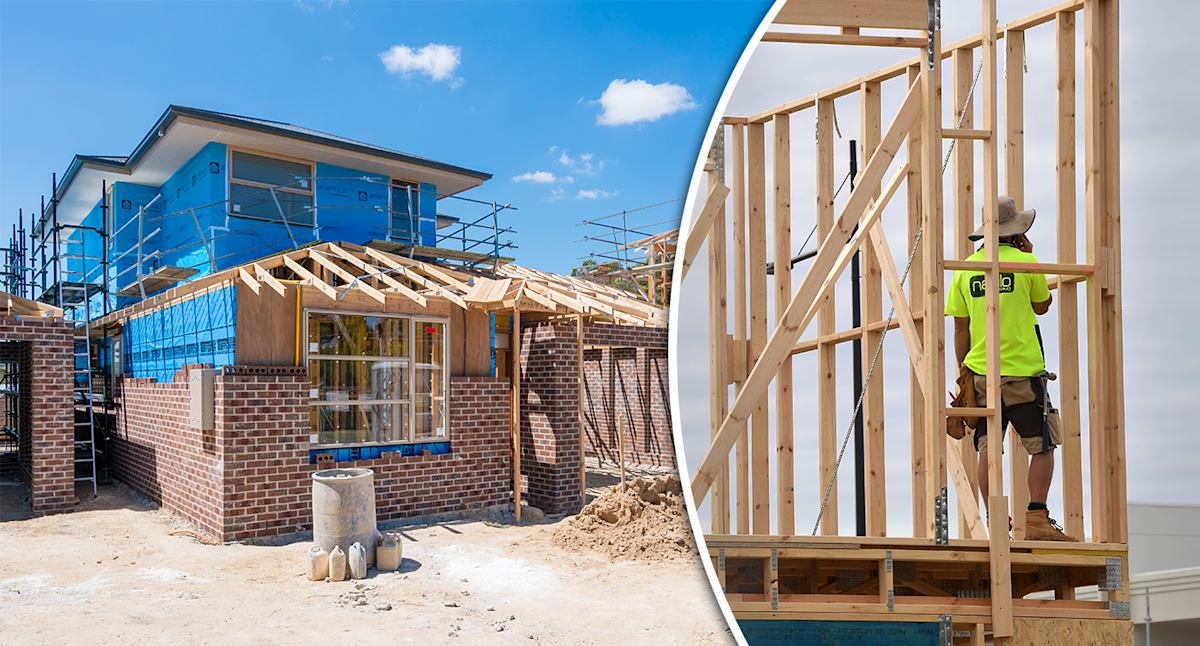
Australia’s Construction Recovery Faces Challenges Amid Rising Costs
Australia’s recent construction rebound is at risk of stalling due to escalating fuel prices, which are making new home building increasingly costly. Recent figures released from the Australian Bureau of Statistics showed a promising trend, with dwelling approvals rising by 13.2% compared to last year. Such growth is critical as the country strives to accommodate its growing population, especially with government initiatives aimed at constructing over a million new homes.
However, building approvals alone do not guarantee that projects will progress. The current geopolitical climate, particularly the conflict in Iran, is exacerbating material costs, thereby making it tougher to initiate new housing developments. Matthew Pollock, Executive Director of Master Builders NSW, highlighted these concerns by stating that the increasing prices will likely hinder the number of homes constructed.
The construction industry relies on various materials—heavy items like concrete, metals, and plastics—all of which depend significantly on fuel prices. The rising costs of crude oil and its derivatives have made construction not only more expensive but also riskier. As such, builders are faced with a dilemma regarding the type of contracts they enter: fixed-price contracts, which often trap the builder into higher costs, or flexible contracts that shift the burden when material prices soar.
Simon Croft from the Housing Industry Association noted that builders are already experiencing price hikes from domestic suppliers, particularly concerning transport. The vulnerability is especially pronounced in fixed-price contracts, which are predominantly adopted by larger construction firms, leaving them exposed to the fluctuations in material costs.
Despite a moderate rate of insolvencies in the construction sector, there are fears that a surge in costs could lead to a significant uptick in bankruptcies, particularly among the larger builders whose collapse would pose a greater threat to the industry. Should builders opt to delay projects in order to mitigate costs, they may face further complications as clients could seek legal recourse for delays.
Denita Wawn, CEO of Master Builders Australia, urged government intervention to address these challenges, stressing the crucial role that the building industry plays in Australia’s economic recovery. The construction sector’s stability is vital for meeting housing supply targets and addressing affordability issues.
In conclusion, while the desire for new housing persists, the confluence of rising material costs and geopolitical events casts a shadow over the Australian construction industry’s recovery. If immediate action isn’t taken, the sector risks falling further behind in meeting its ambitious housing goals.