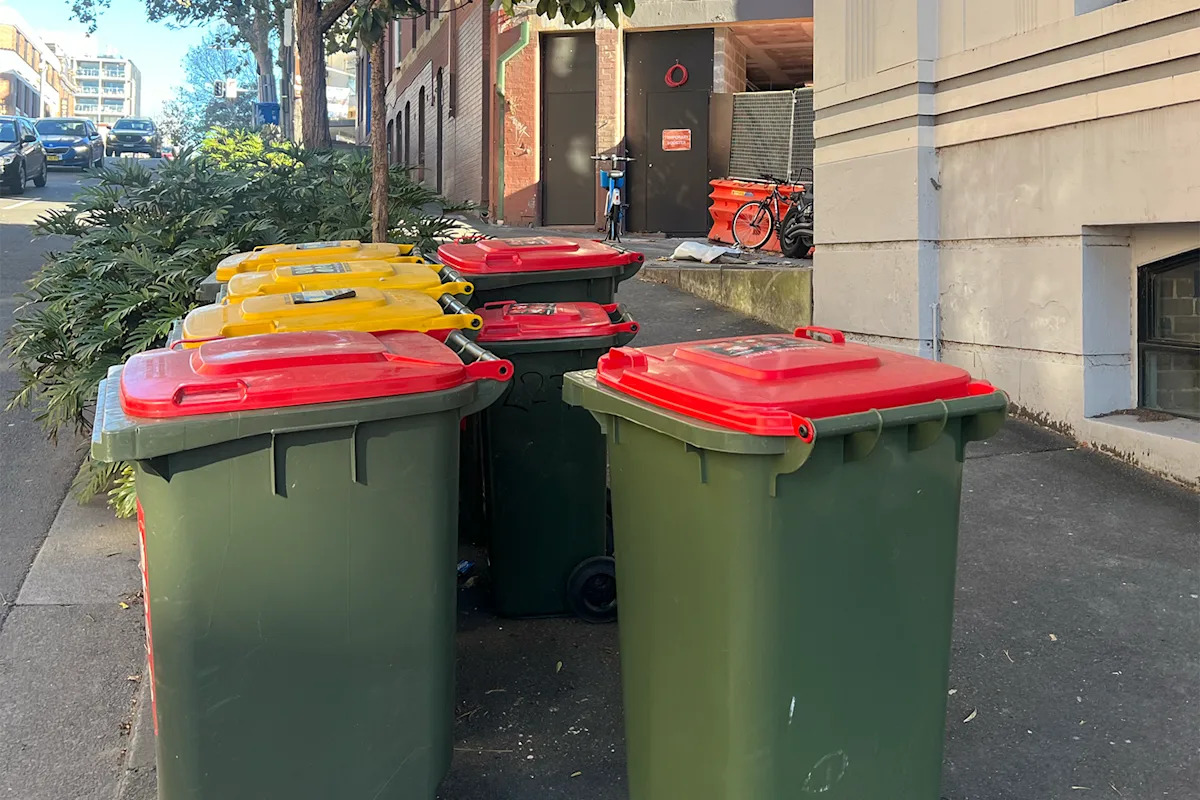
As Australia grapples with the ongoing fuel crisis, several councils are contemplating new fees for waste collection and management. This escalation is driven by the geopolitical tensions from the US-Iran conflict, which continue to exert pressure on global fuel supplies.
Residents of regional New South Wales and various Sydney suburbs may soon face increased waste collection fees, likely implemented as early as July. Councils that are currently structuring their budgets for the 2026/27 financial year are already discussing these hikes, citing “anticipated fuel charges” as a key factor in their decisions.
Additionally, the effects of rising fuel costs extend beyond waste collection. Essential council services such as street sweeping, vegetation clearing, and road maintenance are becoming increasingly expensive. For instance, the Northern Beaches Council has indicated a proposed increase of $53 for domestic waste charges, reflecting an increase of 8.8% attributed predominantly to heightened diesel costs.
In Sydney’s southwest, Camden Council is considering a staggering 35% fee increase, while Hornsby Council in the Upper North Shore is contemplating a 10% rise. Bathurst Council has proposed an additional $43 charge, also linking it to projected fuel costs. Further, the Hills Shire and Parramatta councils are also reported to be considering similar increases.
Amid these developments, Australians may soon face consequences that extend well beyond their rubbish bins. For example, ride-sharing platforms such as Uber have implemented temporary surcharges to aid drivers grappling with fuel expenses. These add-ons, beginning Wednesday and running until June 8, will include a surcharge of five cents per kilometre, compounding earlier hikes.
Experts are voicing concerns over the vulnerability of Australia’s fuel supply system. According to logistics specialist Ben Fahimnia, while global oil flows could eventually stabilise, the pressure on local fuel stations and supply chains remains significant. He noted that Australia’s fuel situation could lead to rationing, increasing the costs of supermarket essentials and further complicating logistics for farms.
The potential consequences are far-reaching: disrupted commuting patterns could place additional strain on public transport systems, potentially decreasing job mobility. Restaurants, pubs, and cafes are already feeling the pinch, with many facing fuel surcharges from suppliers, resulting in heightened operational costs. Kelsie Gaffey, owner of Gracie’s Wine Room in Melbourne, reported that her suppliers had introduced emergency fuel surcharges that range from $2.29 to $5.50 plus GST per delivery.
Despite her efforts to absorb these costs to avoid burdening customers, Gaffey warns that many businesses may not have the same capacity, hinting at a possible ripple effect across the hospitality sector.
As Australia’s fuel crisis evolves, it is clear that the ramifications extend well beyond increased fees for waste management; they touch all facets of daily life and the economy, putting financial pressure on households and businesses alike. Watchful eyes will be on the unfolding situation, as the community contemplates the broader implications of these rising costs.