Consumer Price Surge in March Driven by Energy Costs Amidst Geopolitical Tensions
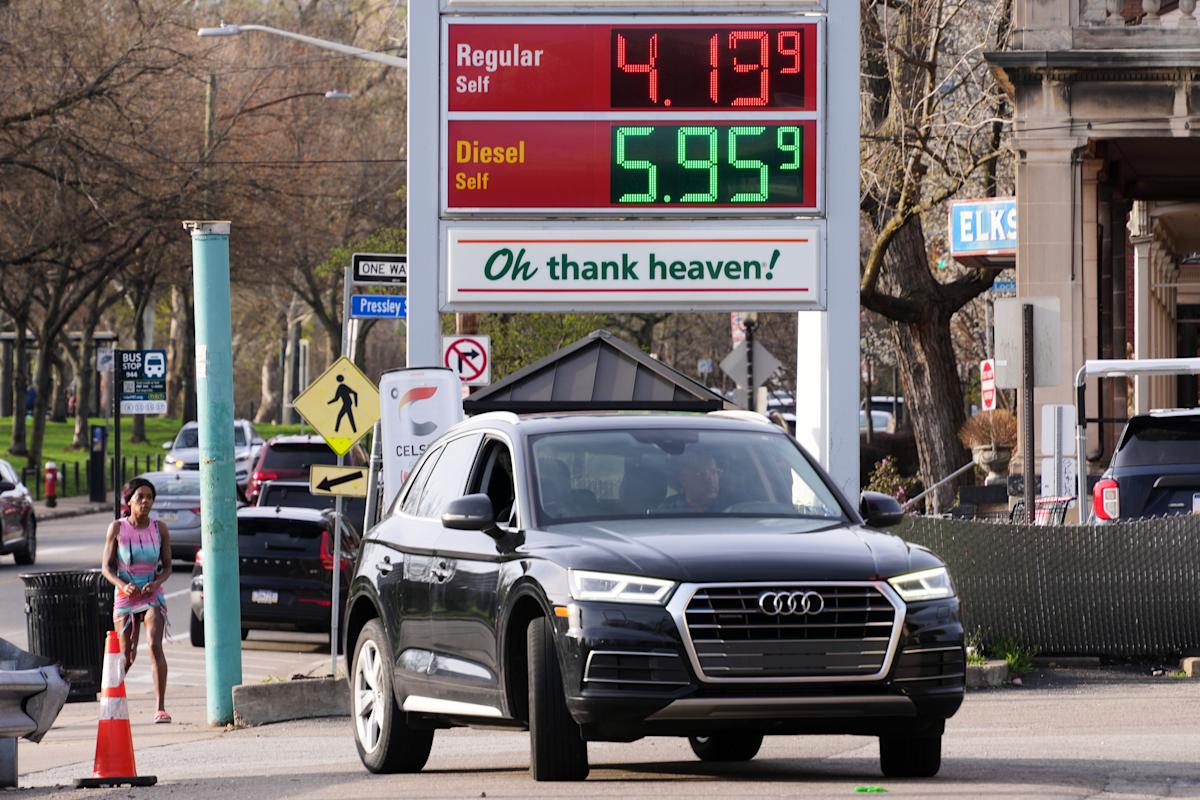
Consumer prices in the United States experienced their most significant monthly increase in over a year during March, as escalating tensions from the ongoing US-Israel conflict with Iran led to a dramatic spike in fuel prices, pushing gas costs beyond $4 per gallon. This surge has raised concerns about the broader implications for the economy.
According to the latest Labour Department data, the Consumer Price Index (CPI) for March revealed that headline prices rose by 3.3% compared to the same month last year, reflecting a 0.9% increase from February. This was a rapid escalation, aligning with economists’ expectations surveyed by Bloomberg, who predicted a 3.4% annual rise and a 0.9% monthly growth.
The escalation in prices was predominantly fuelled by surging energy costs, particularly due to the war affecting the critical Strait of Hormuz, which resulted in its partial closure. The gasoline index recorded an astonishing 21.2% hike, contributing to nearly three-quarters of the total monthly inflation increase. This marks the highest monthly rise for gas prices since the government began tracking these figures in 1967.
Claudia Sahm, chief economist at New Century Advisors, articulated the current economic climate as experiencing "whiplash," reflecting the rapid shifts individuals and businesses are confronting. More challenges may be imminent, as the March numbers only represent the initial fallout from the conflict.
Alexandra Wilson-Elizondo, co-head of multi-asset solutions at Goldman Sachs Asset Management, noted that while the inline inflation number offered slight relief, it could potentially be the most favourable inflation headline for some time. The effects of the Iranian conflict, which at its peak caused a 70% surge in US crude and gas prices, may still be unfolding.
In addition to fuel costs, airfares also saw an uptick of 2.7% from the previous month. Meanwhile, the food index remained stable overall; however, specific categories exhibited notable price volatility – with tomatoes increasing by 15.3%, while hot dog prices decreased by 3.6%.
On a core basis, which excludes the more volatile food and energy sectors, the CPI climbed by 0.2% from February, reflecting a 2.6% rise from the previous year. These figures fell slightly short of analysts’ forecasts, which anticipated a 0.3% increase month-on-month and a 2.7% rise year-on-year.
In summary, rising consumer prices, driven primarily by energy costs amidst geopolitical uncertainty, have left the US economy in a precarious position, with signs suggesting continued inflationary pressure ahead.