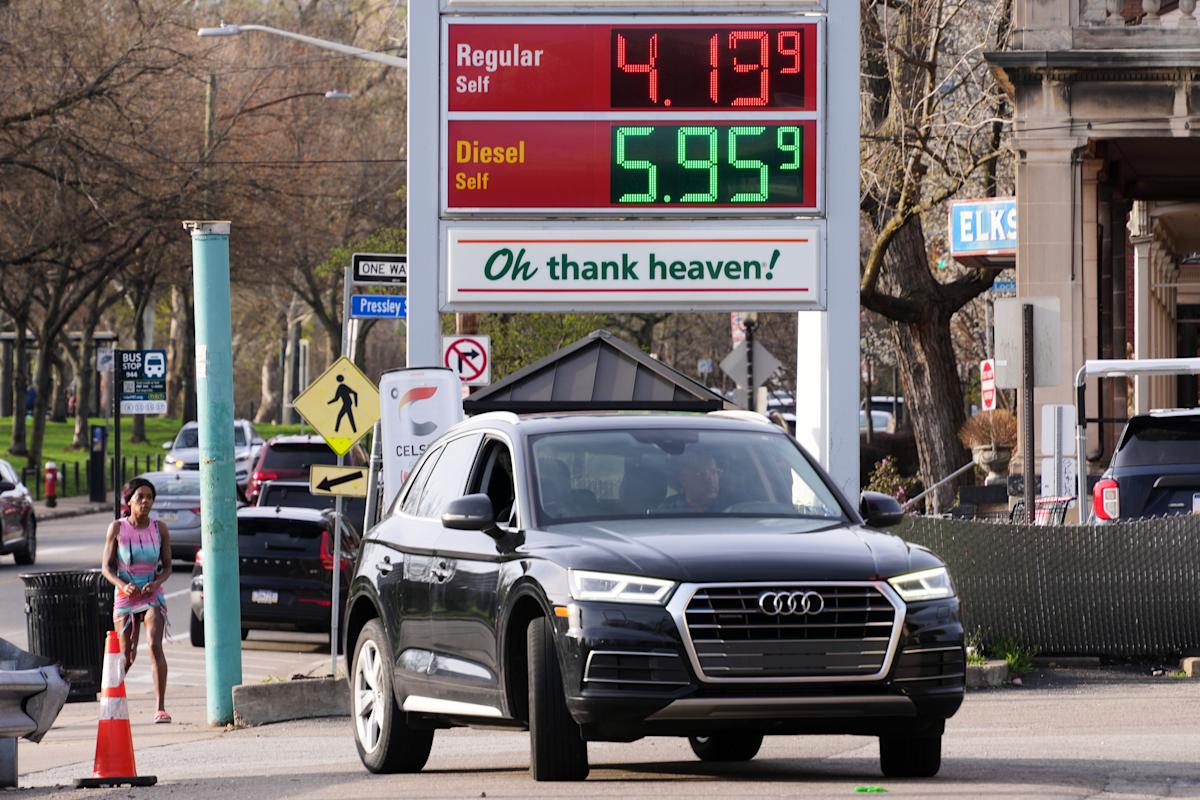
In March, consumer prices experienced their steepest monthly rise since 2022, triggered primarily by the US-Israel conflict with Iran, which caused gas prices to jump over $4 per gallon. According to the Labor Department’s latest data, the Consumer Price Index (CPI) increased by 3.3% year-on-year and rose by 0.9% from the previous month, a significant surge compared to figures from February. Analysts had projected a similar yearly increase of 3.4% and a monthly rise of 0.9%.
The surge in consumer prices was predominantly attributed to higher energy costs as the vital Strait of Hormuz faced closures due to ongoing tensions. Notably, the gasoline index skyrocketed by 21.2%, contributing to nearly three-quarters of the monthly rise and marking the most significant monthly increase recorded since tracking began in 1967.
Claudia Sahm, chief economist of New Century Advisors, highlighted the current economic situation as one of “whiplash”, underscoring the volatility consumers are facing. Economists fear that this only hints at the economic fallout from the conflict, suggesting that more distress could be forthcoming. Alexandra Wilson-Elizondo from Goldman Sachs Asset Management noted that while the figures aligned with expectations and may provide a temporary respite, they might not fully reflect the conflict’s impact, which had seen US crude and gas prices peak at 70% higher.
In terms of travel costs, airfares also surged, climbing 2.7% from February. Food prices remained relatively stable, with uneven movements recorded across various categories. For instance, tomato prices leapt by 15.3%, contrasting with a 3.6% drop in the price of hot dogs.
When examining “core” inflation—excluding volatile food and energy prices—there was a 0.2% increase from February and a 2.6% rise over the year. These figures fell slightly below economists’ expectations of a 0.3% monthly increase and a 2.7% annual rise.
The March inflation report signals that consumers and businesses may need to brace themselves for additional challenges ahead, especially as geopolitical tensions continue to influence energy costs and broader economic conditions.