Table of Contents
Anticipated Changes to Australia’s Capital Gains Tax: Implications for Property Investors
Recent leaks and media reports suggest significant tax reforms are on the horizon for property investors and financial advisors in Australia, following the federal government’s intention to address generational inequality in the housing market. Speculation is rife that the upcoming budget announcement will include radical changes to the Capital Gains Tax (CGT), particularly a reduction of the current 50% discount for property investments.
Overview of Proposed Changes
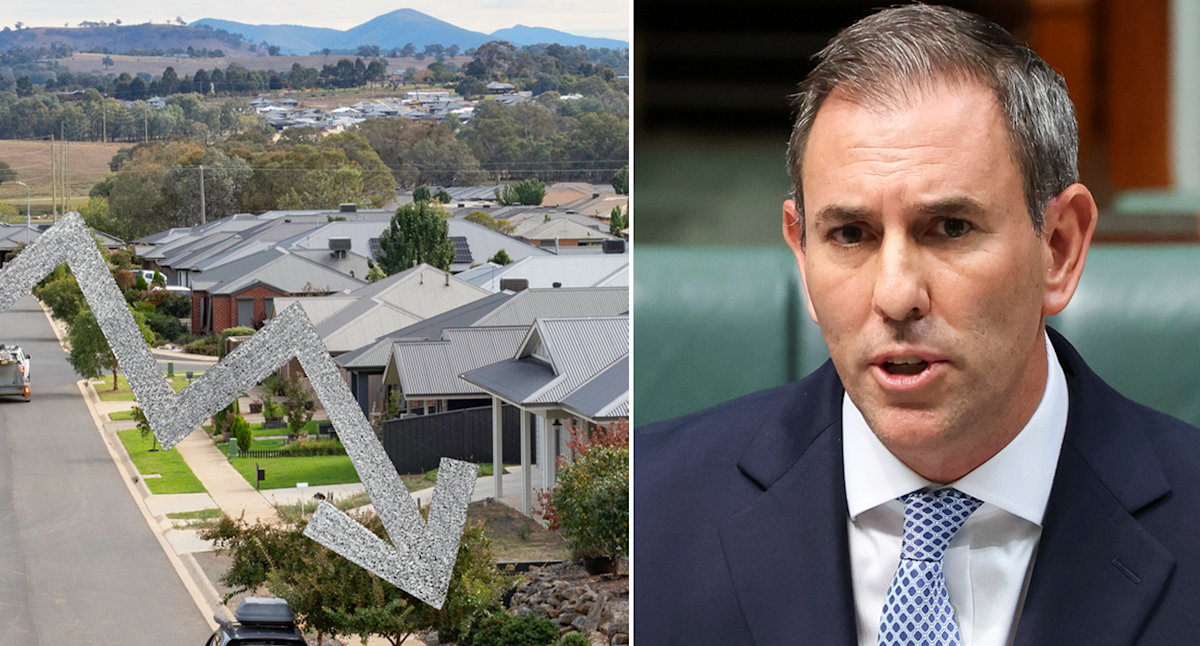
Federal Treasurer Jim Chalmers has not officially confirmed the anticipated reforms but has hinted at a transformative budget set to be unveiled on May 12. He aims to implement a budget that balances ambition with responsibility, focusing on building resilience in the economy. Among the leading considerations is a potential reduction of the CGT discount from 50% to approximately 33%. Financial experts are preparing for the ripple effects this could have on popular wealth-building strategies.
Chalmers commented, “The budget we contemplated in February won’t be identical to the budget that I hand down on the 12th of May," referencing external economic pressures like the situation in Iran and warnings from the International Monetary Fund regarding a potential global recession.
Accompanying the CGT changes, modifications to negative gearing policies are also being considered, potentially restricting its application to fewer properties. However, new housing developments may be exempt from the CGT reduction to incentivise the construction of more homes.
Impact on Financial Strategies
The potential change in CGT rates has stirred concerns among financial advisors. Ben Nash, a finance expert and contributor to Yahoo Finance, emphasised the profound impact this modification could have on wealth accumulation. He explained that for an investor realising a $1 million capital gain, a shift from 50% to 33% would mean a tax increase of $80,000, compounding the loss of potential reinvestment earnings.
Nash articulated that while some may perceive this change as modest, its implications are substantial. “The wealth-building strategies that worked for decades are about to be less effective,” he stated, marking this move as a “structural reset” in property investment dynamics. This could significantly diminish the opportunities for younger investors seeking to establish themselves in the market.
He further explained, "Whoever is investing today is not going to have it anywhere near as good as the people who have invested up until this point."
Preparing for Change
Tax accountant Belinda Raso has echoed similar sentiments, noting that the proposed CGT changes are likely to be confirmed soon. Raso highlighted the projected $12 billion in savings for the government due to these reforms, urging for clarity on how these funds will be allocated in the national budget.
As the financial community gears up for these changes, the general public is left with unanswered questions regarding how the government plans to balance the budget and redeploy the anticipated savings effectively.
Conclusion
With the federal government expected to reveal its full plans in the coming weeks, the looming changes to capital gains tax represent a pivotal moment for property investors in Australia. While aimed at rectifying generational inequality in housing, these reforms could inadvertently fortify existing investors while making it more challenging for new entrants to navigate the landscape of property investment. Stakeholders eagerly await May 12 for detailed proposals, anticipating that the ramifications will reshape the investment strategies of many Australians for years to come.