Ford Reports Challenging Start to 2026 Amid Market Pressures
Ford Motor Company (F) has experienced a challenging beginning to 2026, attributing its sales performance more to previous market conditions than current trends. The company announced a first-quarter sales figure of 457,315 vehicles in the United States, marking an 8.8% decline from the same period last year. This decline follows a similar trend observed at General Motors (GM), which reported its own sales drop of 9.7%.
In March 2025, a rush of American consumers visited car dealerships before anticipated auto tariffs went into effect, pushing the monthly sales rate to an impressive 18.4 million vehicles—the highest since April 2021. This surge in demand created an exceptionally high benchmark for the first quarter of 2026, making comparisons difficult. Furthermore, adverse winter weather in January and February exacerbated the situation for many automakers, including Ford.
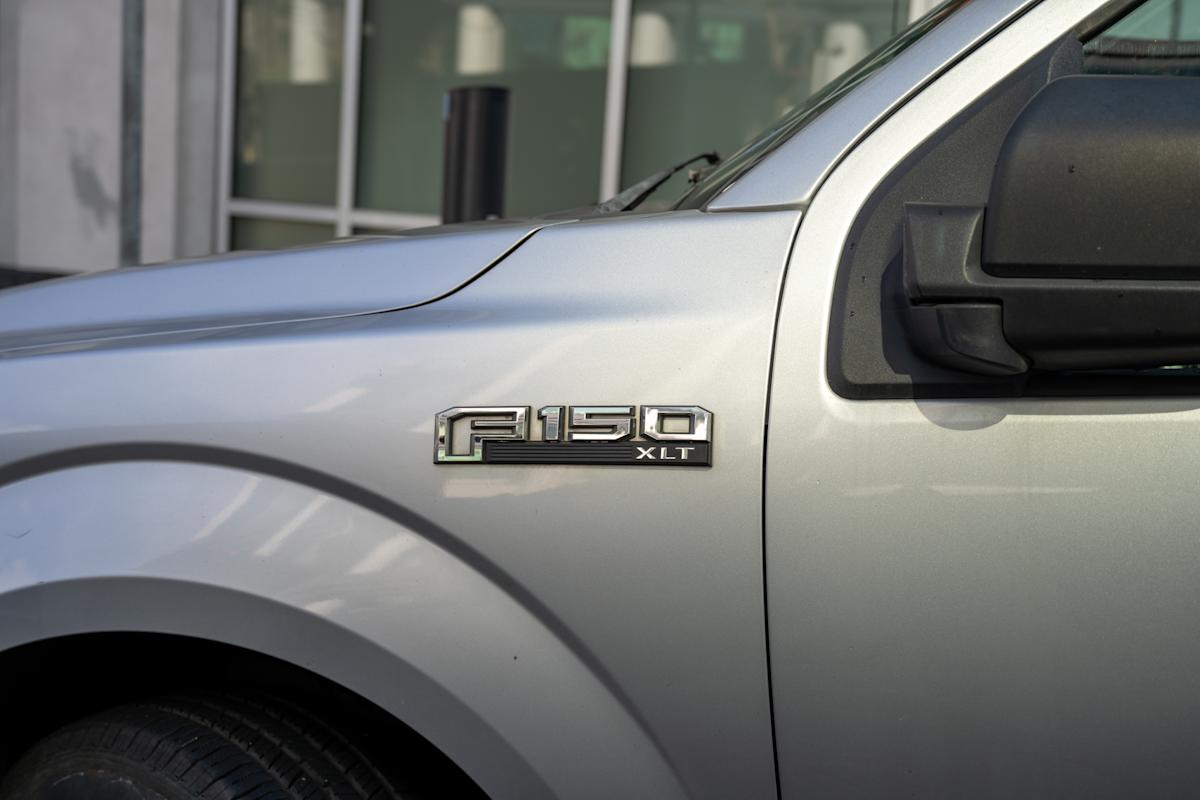
Ford’s F-Series trucks, traditionally the top-selling vehicle in the U.S., took the hardest hit with sales declining by 16% to 159,901 units in the first quarter. The company linked part of this decrease to production retiming due to fires at an aluminium plant last year that affected supply flow. Despite this, Ford expects a gradual recovery, projecting increased sales volumes in the latter half of 2026.
On a positive note, Ford did manage to increase its estimated retail market share to 11.6%, up 0.2 percentage points from a year earlier. Notably, the company’s large SUV lineup proved popular, with Explorer sales soaring 29.7% to 61,387 units and Expedition sales rising 30.2% to 17,554 units—recording the best combined start for these models since 2002. The Bronco Sport also hit a milestone with a first-quarter sales figure of 35,021 vehicles sold, although full-size Bronco sales fell by 4% after several months of gains.
Andrew Frick, President of Ford Blue and Model e, stated, "The first quarter showed our team worked hard to maintain retail share and navigate a changing industry, while underlying demand remains strong for F-Series, SUVs, and the Ford Pro business."
However, Ford’s electric vehicle (EV) segment is facing significant headwinds, seeing a dramatic 70% year-on-year drop in sales to just 6,860 units. The previously popular F-150 Lightning has notably seen a decline in sales, dropping from 7,187 to 2,060 units. Hybrid vehicle sales have also fallen by 19.4%, indicating a noteworthy reversal for this segment, which had been a growth driver for Ford as of late.
The decrease in the Escape SUV sales (down 66.8%) also contributed to the overall performance, coinciding with the phase-out of the model. In contrast, Ranger midsize pickup sales rose by 19.2%, and the entry-level variant of the Bronco Sport saw a gain of 10.3%, demonstrating Ford’s continued focus on affordability amid rising consumer price sensitivity.
Affordability remains a significant issue for consumers, with the average new vehicle price approaching AUD 50,000 and financing costs remaining high. These factors present ongoing challenges for automakers as they navigate market uncertainties. Ford’s sales declines align with GM’s performance, which reported a total of 626,429 vehicles delivered in the first quarter, further highlighting industry-wide struggles.
While GM pointed to last year’s pre-tariff buying surge and winter weather as factors in their sales dip, there was a reported recovery in March, with sales up nearly 18% from February. GM’s President of North America, Duncan Aldred, noted improving showroom traffic and sales throughout the quarter.
As affordability remains a pressing concern—amplified by high retail prices and surging fuel costs—automakers face an uphill battle to meet or exceed second-quarter figures from the previous year. Market dynamics and economic conditions will play a crucial role in shaping the next phases for manufacturers like Ford and GM.
Overall, the 2026 automotive landscape poses significant challenges, but opportunities still exist in segments reflecting consumer demand for practicality and affordability.