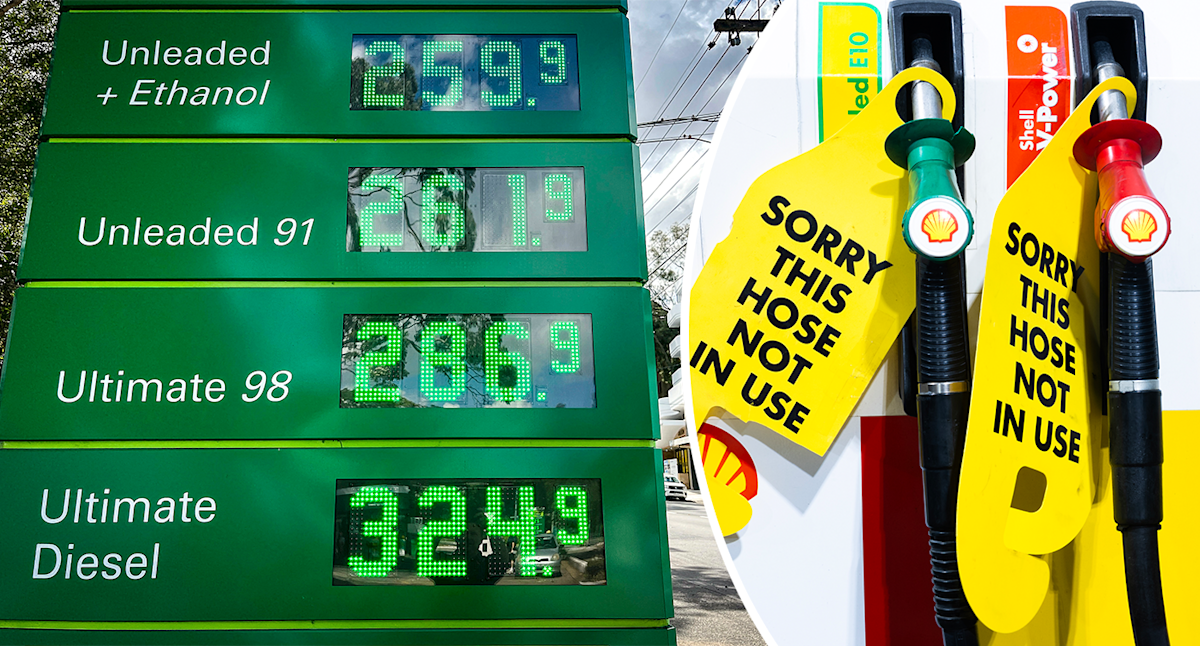
As ongoing geopolitical tensions, particularly the turmoil in the Middle East, affect global fuel supplies, many nations are apprehensive about their future fuel availability. Australia, with its minimal fuel reserves—just over a month’s supply—faces heightened vulnerability compared to most developed nations.
In response to dwindling fuel stockpiles, the Albanese government has devised a multi-tiered strategy. Reports indicate that conservation measures will commence once reserves drop to 15 days, while rationing would follow if levels fall to merely 10 days’ worth of consumption.
While examining data from the COVID-19 pandemic indeed offers concrete insights into fuel consumption shifts, it also brings to light Australia’s complex reliance on both petrol and diesel. During the pandemic, petrol consumption saw significant declines, notably plunging by 42.7% in April 2020 compared to the same month in 2019. The worst months of 2020 for petrol were April and August, with decreases of 42.7% and 19.7%, respectively. Over the course of 2021, the most severe drops, occurring in August and September, hovered around 28.8% and 23.5%.
Conversely, diesel statistics tell a distinct story. Though diesel consumption experienced a brief contraction in April 2020, its declines were minor compared to petrol. While petrol sales were dramatically affected throughout 2020 and 2021, diesel consumption actually increased by 4.6% on average in 2021, relative to 2019 figures, even amidst restrictions. This information reflects a complex landscape of energy reliance in Australia—with diesel, by some metrics, becoming a foundational pillar of the economy, suggesting a reasonable assumption that the country is one of the most diesel-dependent nations per capita.
This reliance is compounded by Australia’s fuel import strategy. The nation sources over half of its fuel from oil that traverses the critical Strait of Hormuz, making it susceptible to disruptions in supply due to geopolitical unrest. Thus, if rationing becomes necessary, it would not only strain the national infrastructure but also test the sustainability of current consumption habits and alternatives in transport and industry.
Overall, the ongoing patterns of fuel consumption in Australia reveal a resistant demand for petrol and diesel, even amid fluctuating supply and increasing calls for conservation. The anticipated fuel shortages can pose a significant challenge for the economy. The data reinforces the notion that achieving substantial reductions in fuel usage would be a daunting task for Australia’s diesel-centric economy, should it become imperative to do so.