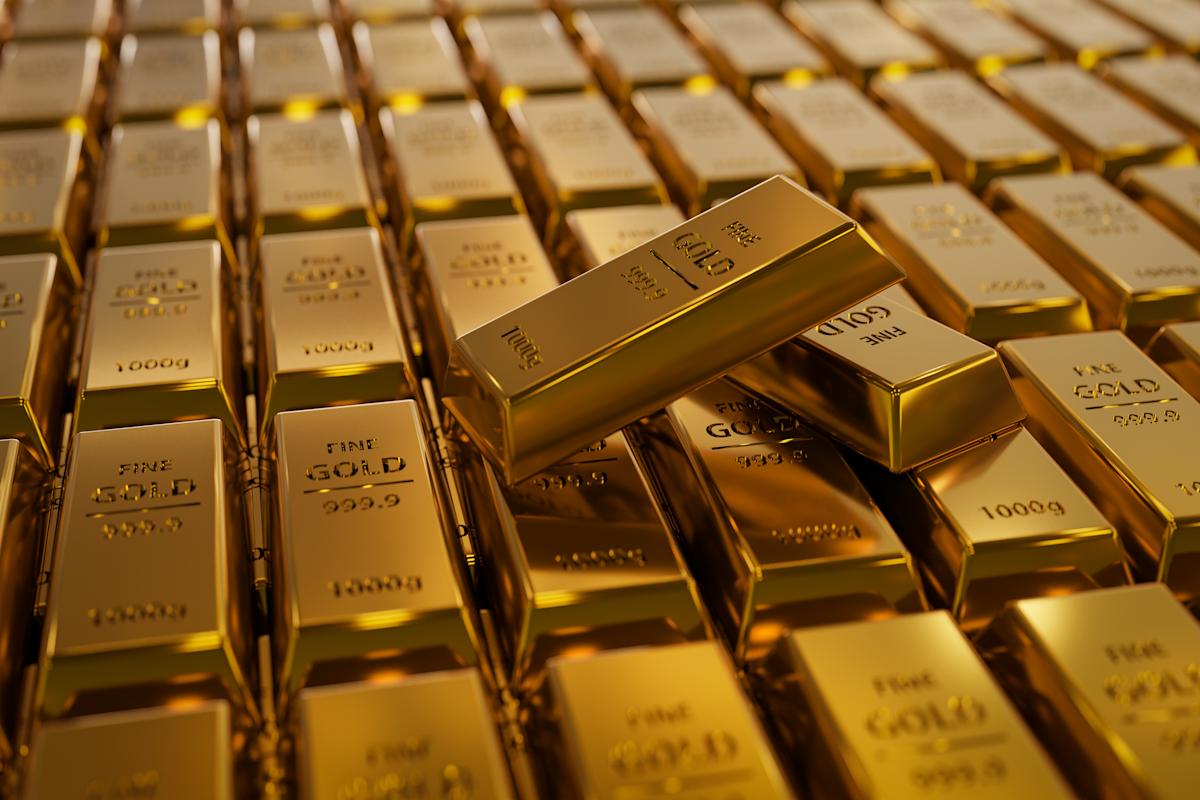
On Tuesday, gold prices showed a significant rebound amid optimistic views regarding a potential resolution to the ongoing conflict in the Middle East. This uptick, however, comes during what is anticipated to be gold’s worst monthly performance in nearly 18 years.
In the wake of statements from former US President Trump, who indicated that the conflict “won’t last much longer,” market reactions saw gold prices soar by 3%. Reports from regional media suggested that Iranian officials might be amenable to negotiations, contributing to an increase that pushed gold to over $4,650 per troy ounce.
Despite this rally, analysts predict that gold is set to close around 12% lower for March, which would mark its most considerable monthly decline since October 2008, when it experienced a drop exceeding 16%. Additionally, this marks the second-largest decline in gold futures since June 2013. Wall Street believes that the current decrease, which has led to doubts about gold’s status as a safe haven asset, is likely temporary, especially following a low of approximately $4,100 last week.
Otavio Costa, CEO of Azuria Capital, opined that the market is currently navigating through a bottoming process, suggesting a potential reversal in the near future.
The rising oil prices, a consequence of the Middle Eastern conflict, have heightened inflation expectations and created apprehensions that central banks, including the Federal Reserve, may refrain from reducing interest rates this year. However, in a statement on Monday, Fed Chair Jerome Powell reassured markets that inflation expectations remain “well anchored” and indicated a tendency to overlook transient supply shocks. This statement resulted in bond yields decreasing by as much as 10 basis points as traders consider a more dovish monetary stance.
Moreover, strategists have pointed out that the ongoing increase in oil prices and the strengthening of the US dollar have compelled foreign investors to liquidate top-performing assets and dollar-denominated investments to raise cash. In 2025, gold prices had experienced a remarkable surge, exceeding 65%.
Analysts from JPMorgan noted that the steep decline in March does not alter their medium-term perspective on gold, particularly if economic slowdown trends persist. They observed that prolonged energy disruptions could significantly intensify inflationary pressures and impact growth. The analysts suggested that the market environment could quickly transform into a bullish one for gold, especially with a potential shift towards easing by the Federal Reserve as they prioritise employment within their dual mandate.
In summary, while gold prices have seen a resurgence in light of hopes for a resolution in the Middle East conflict, the unsteady landscape of economic indicators and inflation pressures raises questions about the metal’s medium-term outlook. Analysts remain cautious yet optimistic about the future trajectory of gold amid changing market dynamics.