Table of Contents
Consumers Brace for Impact as Gas Prices Surge: Goldman Sachs Analysis
Goldman Sachs has warned that consumers may soon feel the pinch of skyrocketing gas prices, leading to a decrease in discretionary spending. Economist Jessica Rindels highlighted in a recent note that the squeeze on real disposable income, driven by rising fuel costs, is likely to particularly affect spending on vehicles and non-essential goods and services. As a consequence, Goldman Sachs has downgraded its growth forecast for consumer spending in 2026, dropping from over 2% to a mere 1.2% year-on-year.
Rindels further emphasised the adjustments to the fourth-quarter GDP growth forecast for 2026, reducing it by 0.5 percentage points to 2.0%. Higher oil prices and preliminary data suggesting weaker economic activity have prompted this revision, raising concerns about potentially larger impacts on growth.
Mixed Economic Landscape for Consumers
The outlook for consumer expenditure during the upcoming spring and summer seasons remains uncertain. Recently, oil prices have undergone significant fluctuations due to ongoing geopolitical tensions in the Middle East. After reaching nearly $120 per barrel during heightened tension from Operation Epic Fury, oil prices saw a dramatic drop, with WTI crude falling approximately 13% and Brent crude declining to around $94.26 in reaction to a temporary ceasefire announcement last week.
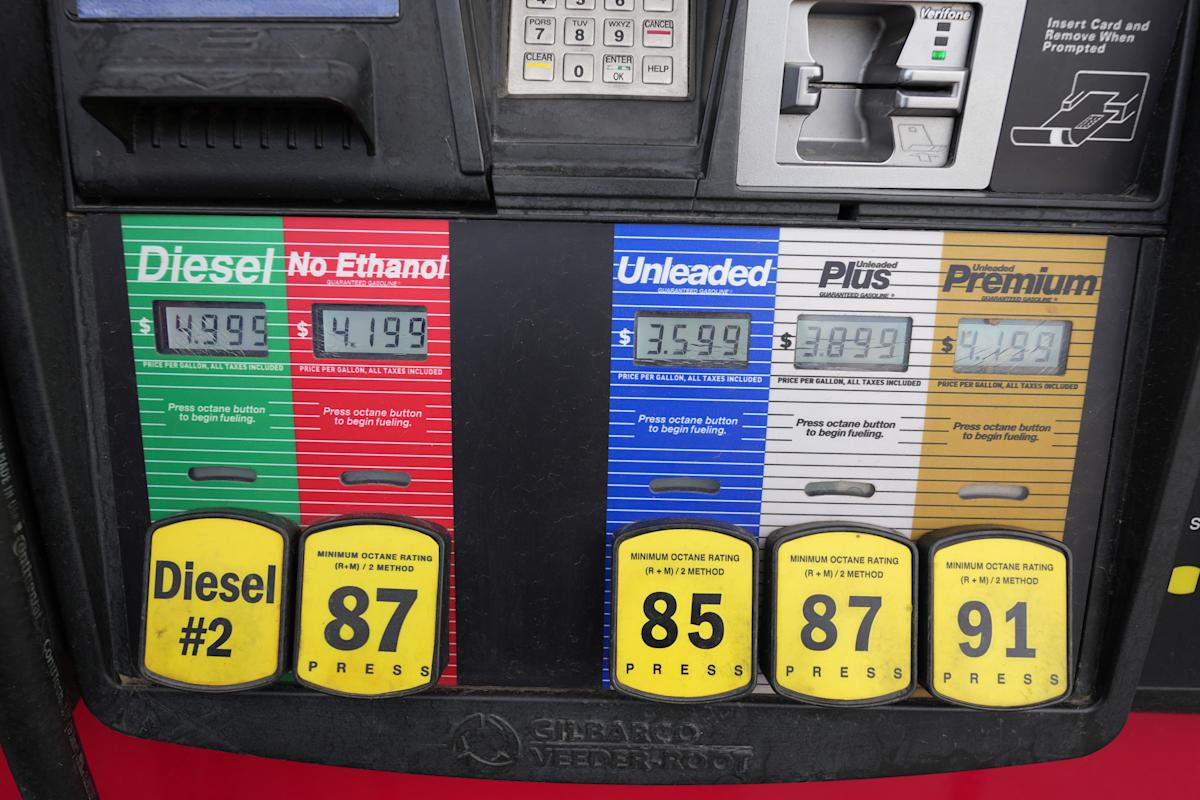
However, optimism proved short-lived, as the failure of high-level peace negotiations over the weekend has led to a resurgence in oil prices, which climbed back to $103 per barrel on Monday. This upward trajectory has also prompted regular unleaded gasoline prices to spike to a national average of $4.16 per gallon, marking the highest levels since the summer of 2022.
Patrick De Haan, Head of Petroleum Analysis at GasBuddy, warned that without a resolution in negotiations with Iran, control over the Strait of Hormuz will likely remain contentious, maintaining upward pressure on oil and fuel prices.
Signs of Consumer Retrenchment
The rising gas prices are beginning to reflect consumer sentiment. In early April, the University of Michigan’s Consumer Sentiment Index plummeted to a record low of 47.6, down from 53.3 in March, making it the lowest score since the inception of the survey in 1952. The Iran conflict and escalating gas prices have been cited as significant contributors to this erosion of consumer confidence.
In response to these economic challenges, discount retailers such as Walmart and Target have seen their stocks rise, indicating a shift in consumer behaviour towards more affordable shopping options. Over the past month, Walmart’s stock has increased by 2%, while Target’s has climbed 1%. Costco has also witnessed a 1% uptick in stock value.
Conclusion
As fluctuating oil prices and rising fuel costs continue to shape the economic landscape, consumers are poised for a challenging period ahead. The latest insights from Goldman Sachs underscore the potential for a downturn in discretionary spending, fueled by a decline in consumer confidence and the rising cost of living. As such, businesses and investors alike will need to monitor these developments closely, adapting strategies to navigate an increasingly volatile economic environment.