Goldman Sachs Warns of Consumer Spending Strain Due to Rising Gas Prices
Goldman Sachs has projected that consumers may soon need to curtail their discretionary spending as the ongoing increase in gas prices takes its toll. Economist Jessica Rindels indicated in a recent report that the impact of surging fuel costs on real disposable income is likely to particularly affect expenditures on automobiles and non-essential goods and services.
Rindels stated, “We anticipate that the majority of the war’s impact on Gross Domestic Product (GDP) will manifest through consumer spending. Accordingly, we’ve reduced our consumption growth forecast for 2026 from slightly above 2% to 1.2% year-on-year.”
Moreover, she highlighted a downgrade in the forecast for GDP growth in the fourth quarter of 2026, now estimated at 2.0%, down by 0.5 percentage points primarily due to heightened oil prices and new tracking data for the first quarter. Rindels expressed concern, stating, “The risks appear skewed towards a more substantial impact on growth.”
Mixed Consumer Spending Outlook
The outlook for consumer spending in the upcoming spring and summer seasons is decidedly uncertain. The oil market has experienced a tumultuous week, characterised by erratic fluctuations in prices in response to changes in geopolitical dynamics in the Middle East.
Following an escalation in oil prices to nearly $120 per barrel amid Operation Epic Fury, a significant drop occurred, with West Texas Intermediate (WTI) crude witnessing a decrease of approximately 13%. By late last week, Brent crude prices had retreated to around $94.26 due to the announcement of a temporary ceasefire. However, these trends shifted again with a reported spike in oil prices reaching $103 per barrel on Monday, following the collapse of high-level peace negotiations over the weekend.
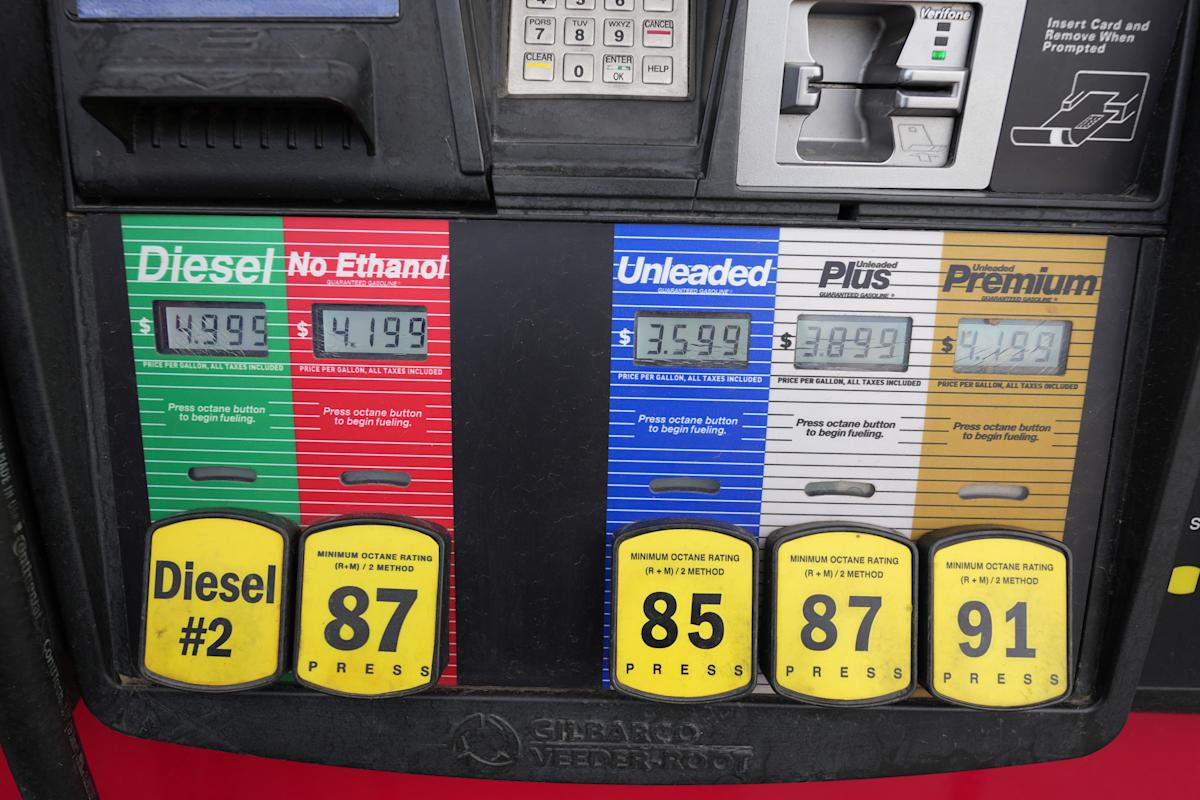
As a result, the average cost for regular unleaded gasoline had surged to $4.16 per gallon by early April, marking the highest figure since the summer of 2022. Analysts, like Patrick De Haan from GasBuddy, have cautioned that stalled negotiations with Iran may lead to sustained control over the Strait of Hormuz, which could further exacerbate increases in oil and fuel prices in the foreseeable future.
Emerging Signs of Consumer Weakness
Emerging data indicates a decline in consumer confidence, which is beginning to reveal itself in spending patterns. In early April, the University of Michigan’s Consumer Sentiment Index plummeted to a record low of 47.6, a significant drop from 53.3 in March. This reading represents the lowest level recorded since the survey’s inception in 1952, with respondents citing the conflict in Iran and surging gas prices as primary factors contributing to their negative outlook.
In light of these developments, discount retail stocks have begun to perform better amid signs of consumer trepidation. Shares of major retailers such as Walmart and Target have increased, with Walmart gaining 2% over the past month and Target rising by 1%. Additionally, Costco has seen a similar uptick of 1%.
As pressures from rising gas prices continue to mount, the broader implications for consumer spending and the economy will be closely monitored in the coming months. The interplay between geopolitical tensions, oil prices, and consumer behaviour will be crucial in shaping economic forecasts and investment strategies moving forward.