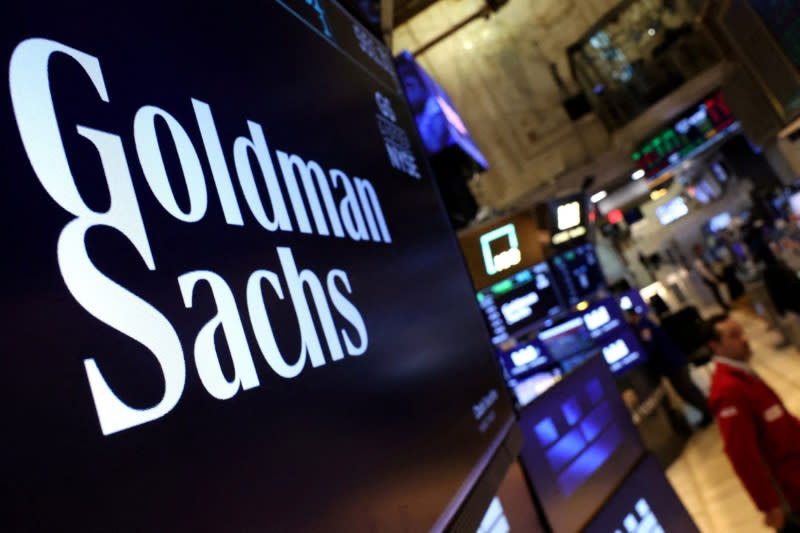
Goldman Sachs CEO David Solomon addressed analysts this morning, articulating a cautiously optimistic outlook for deal-making in 2026, despite prevailing market uncertainties. He acknowledged that while the year commenced with buoyancy—market indices reaching all-time highs—trends rarely reflect a linear progression.
Solomon’s statements come as Wall Street braces for a challenging earnings season. Goldman Sachs reported its second-highest quarterly profit in history. However, shortly after the announcement, the bank’s stock reversed a gain of over 3%, highlighting the volatile nature of the current market.
Amidst several market concerns—such as heightened private credit uncertainty, the ongoing conflict in Iran, and the potential disruption caused by artificial intelligence in the software industry—Solomon insisted that conditions for investment banking remain robust, particularly for mergers and acquisitions (M&A). He expressed confidence, stating, “Unless the overall environment got much, much worse, I don’t see that slowing… However, the Middle Eastern conflict has impacted both initial public offerings (IPOs) and sponsor activities.”
He optimistically predicted a rebound in activity levels once conditions stabilised. Earlier in the year, Wall Street dealmakers were optimistic about prospects, particularly as corporate giants aimed to exploit the deregulatory environment fostered by the Trump administration. Additionally, private equity firms are keen to realise returns from their investments, while prominent companies like SpaceX, Anthropic, and OpenAI are planning to go public this year.
Goldman Sachs surpassed analysts’ projections across its primary deal-making sectors, generating over $900 million in additional revenue, significantly bolstered by an impressive 89% increase in M&A advisory fees. The firm also recorded unprecedented earnings from stock trading fees.
Conversely, its Fixed Income, Currency, and Commodities (FICC) trading segment reported a 10% decline in revenues, attributed to “significantly lower net revenues in interest rate products, mortgages, and credit products,” as outlined in the company’s press release.
Additionally, Goldman Sachs allocated $315 million in provisions for credit losses in the last quarter, marking a 10% rise from $287 million during the same period last year. Notably, this year’s provisions primarily stemmed from growth and impairments related to wholesale loans, as Solomon clarified that they did not pertain to the firm’s private credit portfolio or FICC financing.