Table of Contents
Upcoming Financial Changes for Australians: What to Expect
A series of significant financial adjustments are set to affect Australians as we move into this month, with some bills increasing while others are set to offer a bit of relief.
Increased Costs on Essentials
Starting this month, approximately 15 million Australians will experience an increase in health insurance premiums, following the government’s approval of an average hike of 4.41% — the most significant rise in nearly a decade. Depending on individual insurance providers and coverage levels, this increase could add an estimated $80 to $160 annually to policy costs. Notably, Bupa has set an average increase of 4.8%, while Medibank comes in at 5.1%. Health Minister Mark Butler has attributed this rise to the growing costs associated with providing medical and hospitality services, which saw a 5% increase last financial year.
Moreover, many households will be receiving their first quarterly energy bills without the benefit of a government rebate this month. This subsidy, initially introduced in July 2023, was pivotal in preventing electricity prices from soaring higher than the recorded 8.2% increase noted during its duration. Treasurer Jim Chalmers confirmed that the previous $75 quarterly rebate would not be continued this year, reinforcing its temporary nature in the budgeting framework.
Lastly, homeowners with a mortgage are bracing for higher repayments this month following the Reserve Bank’s adjustment of the cash rate to 4.1% — marking the second increase within the year. The major banks, including Commonwealth Bank, NAB, and ANZ, have already fully passed on this rate rise, with Westpac following suit shortly after. For a homeowner with a $600,000 mortgage over 25 years, this hike will add approximately $91 per month, bringing total monthly increases to $181 across the two latest adjustments. Westpac also forecasts additional rate hikes in the coming months as economic conditions evolve.
Some Relief at the Petrol Pump
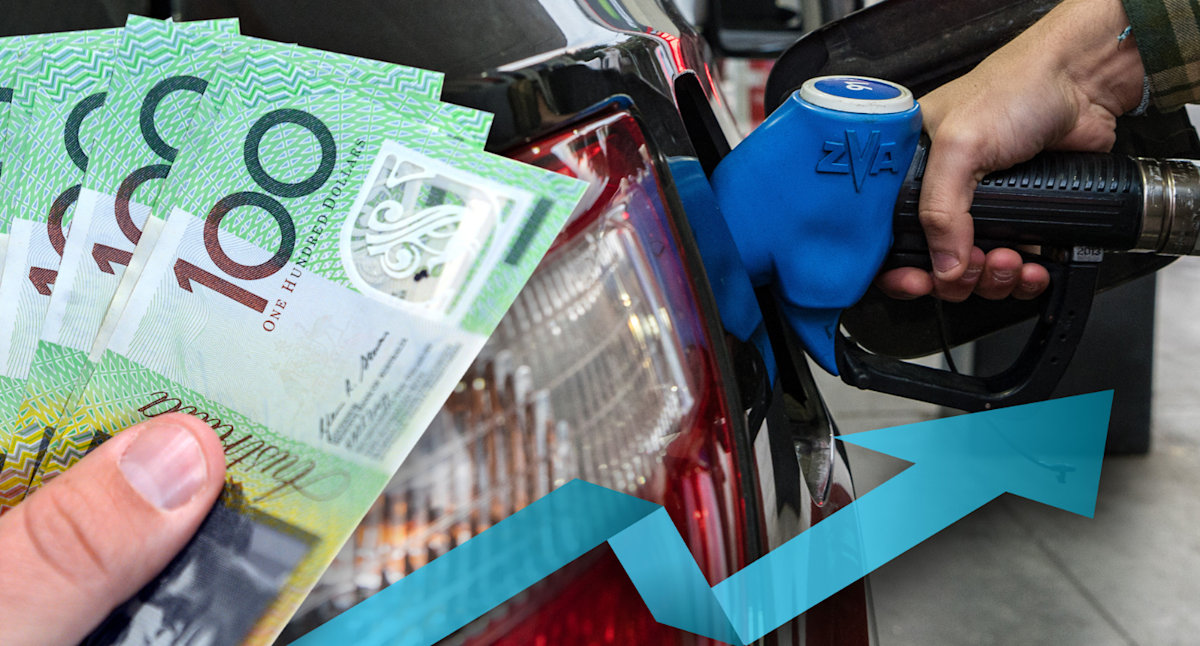
Amidst these cost increases, there is some good news — the government has decided to halve the fuel excise for petrol and diesel, effective immediately and lasting until June 30. This reduction of 26.3 cents per litre will bring about nearly $19 off the cost of filling a 65-litre tank, with savings of around $14 on a 50-litre refill. However, it is important to note that Australians might not see this reduction reflected at fuel stations right away. Petrol stations will initially need to clear their existing stock purchased at higher prices before the cuts can take effect.
Treasurer Jim Chalmers indicated that it could take between one to two weeks for consumers to start enjoying the benefits at the pump as prices adjust.
Summary
In summary, Australians are facing a mixed financial landscape. While healthcare costs and borrowing expenses are rising, the recent decision to reduce fuel excise offers a measure of relief. As individuals prepare for these changes, it will be important to stay informed and budget accordingly to navigate the month ahead.
For Australians, this means taking a closer look at expenses and possibly recalibrating financial strategies to accommodate these new economic realities.