Shifting Dynamics in the Strait of Hormuz: Implications for Global Shipping and Energy Markets
In recent weeks, President Trump has reiterated demands for unrestricted shipping through the Strait of Hormuz, emphasising the need for full freedom of navigation. Threatening swift and severe retaliation if Iran fails to comply, the President’s rhetoric marks a significant turning point amid escalating tensions.
Despite the U.S. administration’s ultimatums, Iran has maintained its stance, exercising control over maritime activities in the strait, geographically narrow at just 21 miles wide. The volume of shipping traffic has plummeted to a fraction of pre-war levels, raising concerns about global energy supply chains.
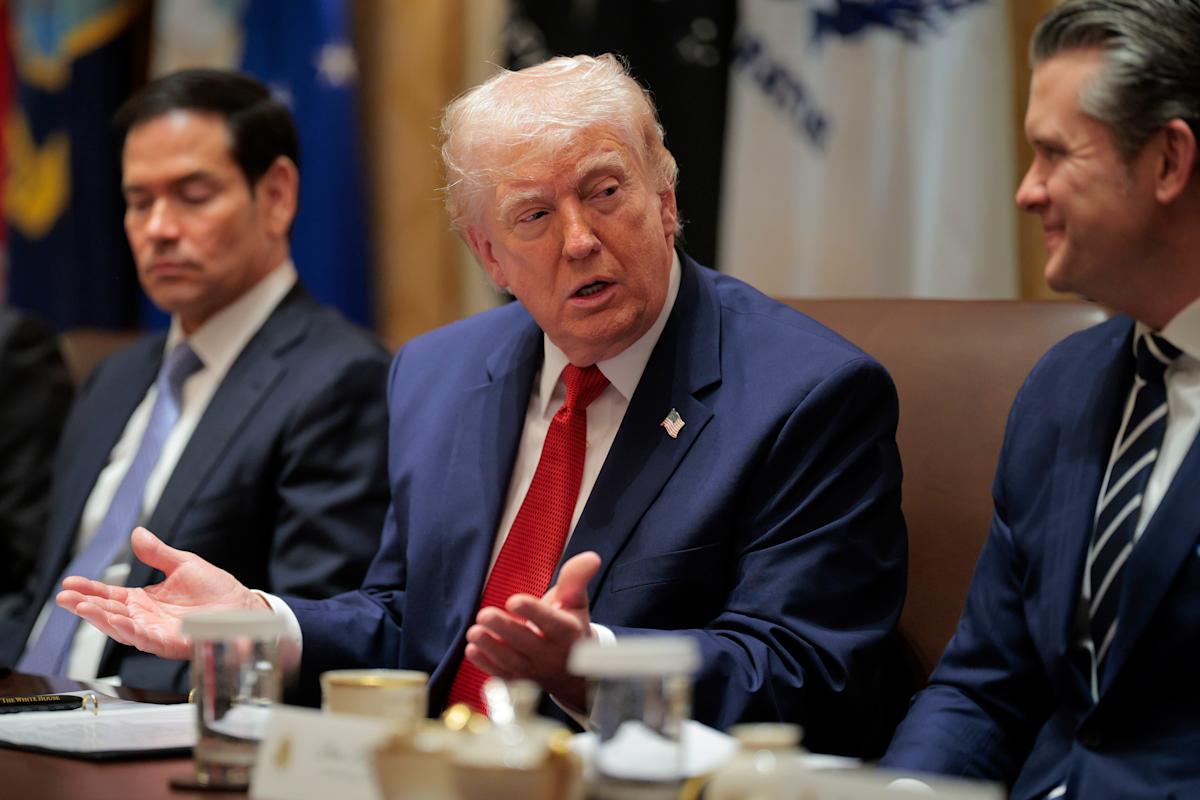
During a Cabinet meeting, Trump acknowledged Iran’s control over the strait and noted Tehran’s attempts to charge fees to shippers, a development that surprised many. This shift in recognition indicates an ongoing but complicated dialogue, as Iranian representatives have allowed a limited number of vessels to pass — a concession that prompted Trump to remark on the effectiveness of negotiations.
The President previously voiced a belief that "at a certain point, [the Strait] will open itself." However, Iran’s ability to restrict access poses a significant challenge for U.S. efforts to stabilize energy markets currently experiencing one of the most profound shocks in oil history. As global oil prices fluctuate, experts warn that continued Iranian threats could push prices beyond $150 a barrel, potentially triggering a widespread recession. Currently, oil prices hover around $100 per barrel, with considerable increases since the onset of conflict.
The situation has escalated to the point where Iran is effectively determining shipping traffic flow. Recent reports from ship tracking services indicate that vessels now require "preapproval" to pass through the strait. Some have even been denied entry, illustrating Iran’s solidified control over this critical maritime route.
In the wake of U.S. and Israeli military actions that commenced on February 28, the volume of traffic through the strait has dramatically dropped. Before the conflict, the strait facilitated the passage of over 100 vessels daily, contributing significantly to global oil supplies, notably accounting for roughly 20% of the world’s oil.
Amid ongoing tensions, Trump briefly considered shifting responsibility for managing the Strait of Hormuz to other nations. However, experts warned that this could have catastrophic economic consequences. The intensity of the situation has prompted Trump to issue stern ultimatums, asserting that any impediment to oil flow would prompt heavy retaliatory measures from the U.S.
Despite his earlier aggressive declarations, Trump has moderated his stance somewhat following reports of productive discussions, which could lead to potential openings in shipping privileges. Recent developments included the passage of tankers under the Pakistan flag, a move seen as facilitating dialogue while still highlighting the limitations of current shipping volumes.
As Iran continues to operate under its terms, Trump and his Cabinet are caught in a precarious balancing act, where expectations for a fully operational Strait of Hormuz remain contingent upon successful negotiations. The President has hinted that complete easing in maritime transit may only occur if an agreeable deal is reached.
Given the geopolitical complexities and economic stakes at play, observers will be closely monitoring the situation—especially with each development potentially impacting global energy supplies and prices. The dynamics in the Strait of Hormuz illustrate the critical intersection of international relations and global markets in a rapidly changing world.
In summary, as President Trump navigates these challenges, the Strait of Hormuz remains a focal point of both contention and potential resolution, with far-reaching implications for global economies and energy markets. The outcome of negotiations in the coming weeks could significantly shape the future of shipping and international trade through this vital maritime corridor.