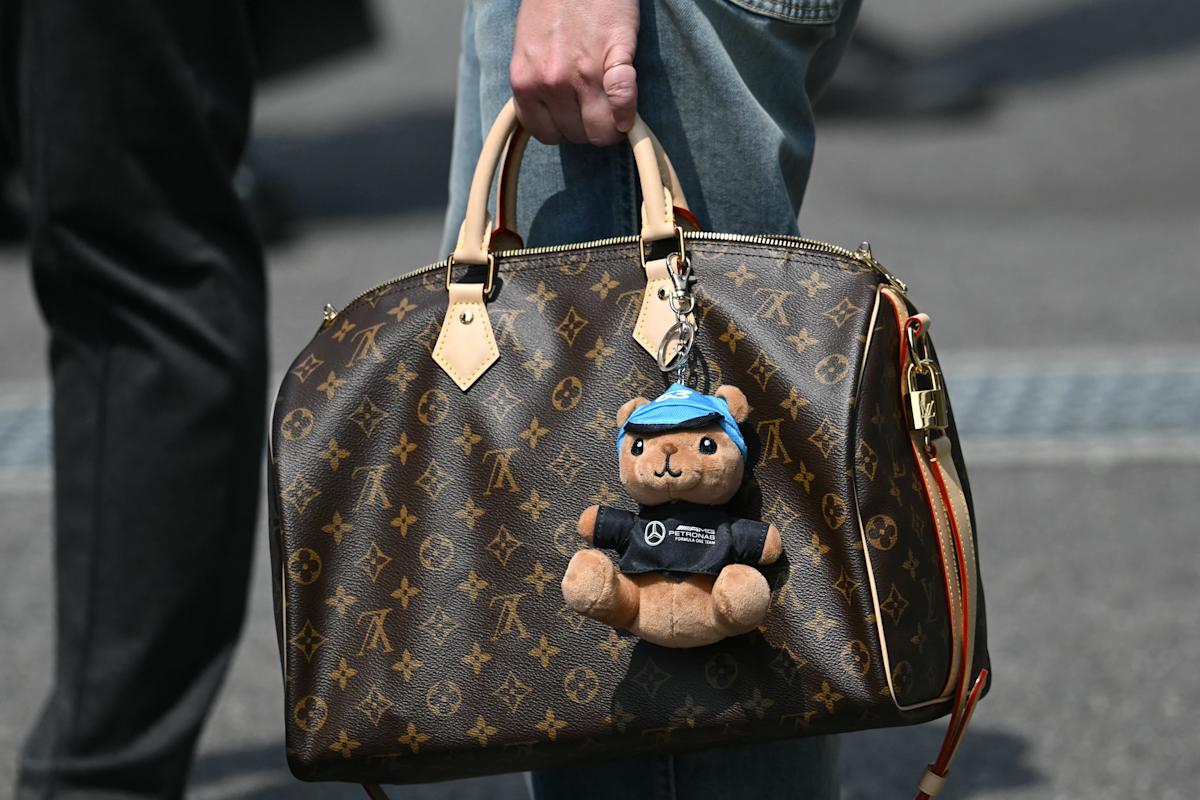
The ongoing conflict between the US-Israel coalition and Iran has had widespread repercussions, particularly within the luxury goods market, a sector typically regarded as resilient. Commencing in late February, the war has significantly affected the $400 billion luxury industry, impacting major luxury brands and retailers.
LVMH, renowned as the world’s largest luxury conglomerate with labels like Louis Vuitton, Dior, and Tiffany & Co., has been among the first to report adverse effects. Initially, LVMH saw a decline in its Q1 revenue to €19.1 billion, representing a 6% decrease that fell short of anticipated growth. CFO Cécile Cabanis identified the conflict as a direct contributor to diminished demand in the Middle East, stating that without the war’s impact, the company would have seen a 2% organic growth during the quarter.
In addition to LVMH’s woes, other luxury firms like Kering, which encompasses brands such as Gucci and Bottega Veneta, have similarly suffered. Kering reported an 11% drop in retail sales in the Middle East, despite an initial strong performance at the start of the year. They have activated a crisis management team to oversee their 79 stores in the region amidst the escalating situation.
Hermès, famous for its exclusive Birkin bags, also found itself impacted. Although the company achieved a 6% organic revenue increase to €4.07 billion, currency fluctuations and operations affected by the conflict led to a 1% decline in reported revenue. The company’s finance executive mentioned that store closures, particularly in Dubai and other areas, caused substantial revenue losses as traffic dwindled.
The war’s ramifications extend to the automotive luxury sector, notably affecting high-end manufacturers like Rolls-Royce and Ferrari. Rolls-Royce, while not disclosing specific sales breakdowns, relies on the Middle East for around 10% of its business and is making adjustments to ensure delivery despite the challenging environment. Ferrari has suspended shipments to the region due to security concerns but is exploring alternative delivery methods to mitigate disruptions.
Analysts identify a worrying trend where the conflict’s effects could influence global tourism and economic conditions, further complicating the outlook for luxury brands. Kering’s CEO stressed the importance of monitoring these factors as the geopolitical climate remains uncertain.
As the crisis unfolds, the luxury sector is bracing for a turbulent future, with hopes for a resolution that could alleviate the considerable challenges arising from this crisis.