Table of Contents
A Bold Move in the Food Industry: McCormick & Unilever Join Forces
In a significant shift within the food sector, McCormick & Company (MKC) has announced a merger with Unilever’s food business, excluding its operations in India. The deal is estimated to value the newly formed entity at approximately AUD 65.8 billion. Following the news, McCormick’s shares experienced a 3% increase in premarket trading, while Unilever’s stock saw a modest rise.
Key Details of the Deal:
- Leadership: Brendan Foley, McCormick’s chairman and CEO, will helm the combined company.
- Financing: McCormick has secured AUD 15.7 billion in bridge financing from Citigroup, Goldman Sachs, and Morgan Stanley. The company plans to fund the acquisition partly using its existing cash reserves and through new debt issuance.
- Cost Savings: The merger is anticipated to generate about AUD 600 million in annual cost savings once fully realised.
Both companies are poised to navigate a challenging market landscape, as McCormick will absorb a Unilever food division that, while performing reasonably well, faces pressures from changing consumer preferences.
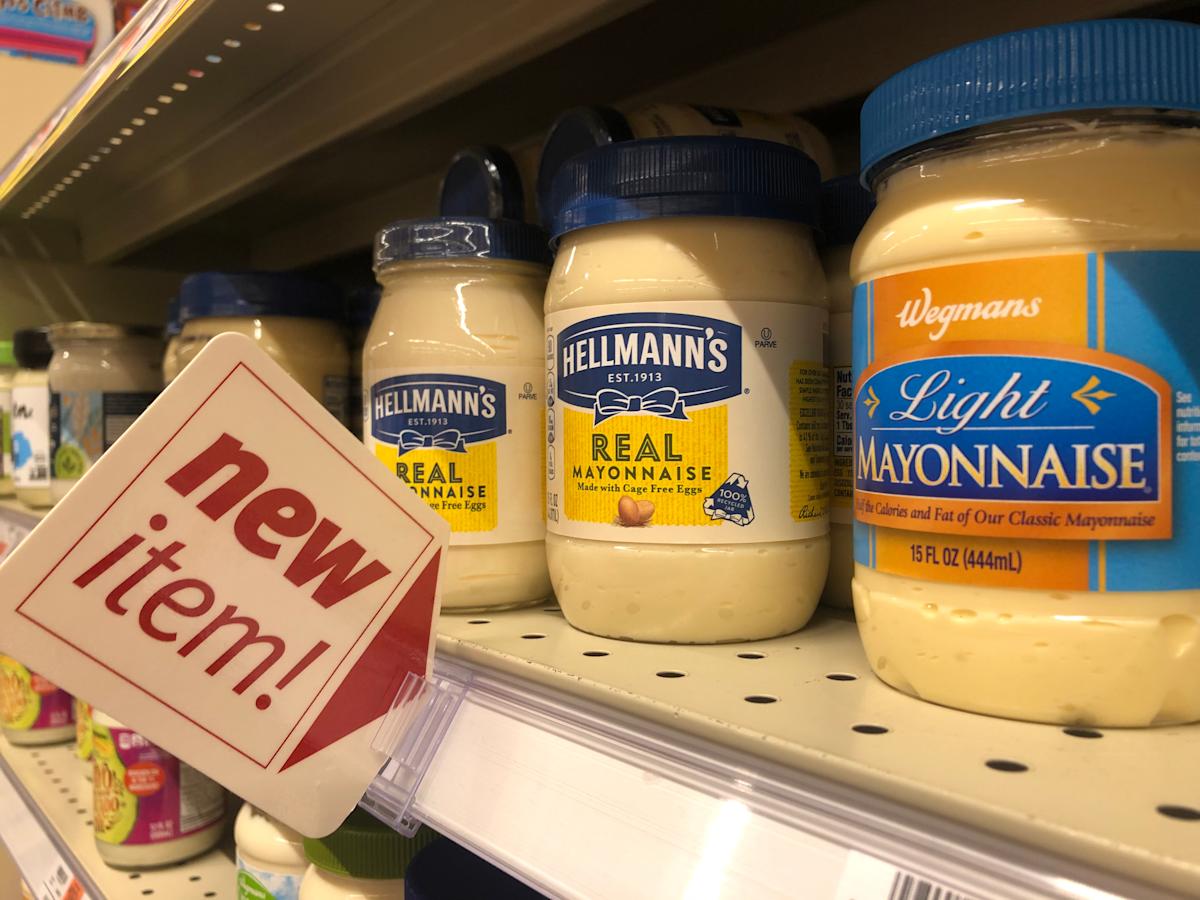
Unilever’s food segment saw sales grow by 2.5% in the last fiscal year, with operating profits slightly ahead at 2.7%, aided by a focus on cost management. However, challenges persist, particularly in developed markets. Notably, Unilever has highlighted declining sales across its product lines, with Hellmann’s mayonnaise showing some promise due to new flavoured offerings.
Market Insights:
The packaged food industry is grappling with various challenges, including inflation that pressures profit margins and shifting consumer behaviours. Analysts have expressed concerns over the sustainability of traditional investment views in the consumer packaged goods sector, citing the influence of macroeconomic trends and demographic changes.
Deutsche Bank analyst Steve Powers pointed out that the industry’s pressures may lead to long-lasting structural changes rather than transient challenges.
Industry Context:
The merger reflects a broader trend within the food sector, marked by aggressive M&A activity. Over the past decade, McCormick has strategically transitioned from a traditional spice company to one focused on high-margin condiments and culinary solutions. Notable acquisitions have included Reckitt Benckiser’s food division in 2017 for AUD 4.2 billion, and Cholula Hot Sauce in 2020 for AUD 800 million, reinforcing its leading position in the fast-growing hot sauce market.
Other recent high-profile mergers in the industry include Mars acquiring Kellanova for AUD 35.9 billion and Campbell Soup’s purchase of Sovos Brands for AUD 2.7 billion, highlighting ongoing consolidation as companies seek to expand their portfolios amid fluctuating market conditions. In contrast, General Mills sold its US yogurt business to Lactalis for AUD 2.1 billion, focusing on its core operations.
As the food giants adapt to a rapidly evolving market, investor scrutiny has intensified. Companies like PepsiCo are facing activist campaigns aiming to streamline operations and boost responsiveness to consumer trends.
Conclusion:
The McCormick and Unilever merger marks a pivotal moment in the food industry, signalling both challenges and opportunities for the newly combined entity. As they navigate these turbulent waters, their ability to adapt to consumer trends and economic pressures will be crucial in determining their long-term success.