Market Recap – An Eventful Day for Stocks
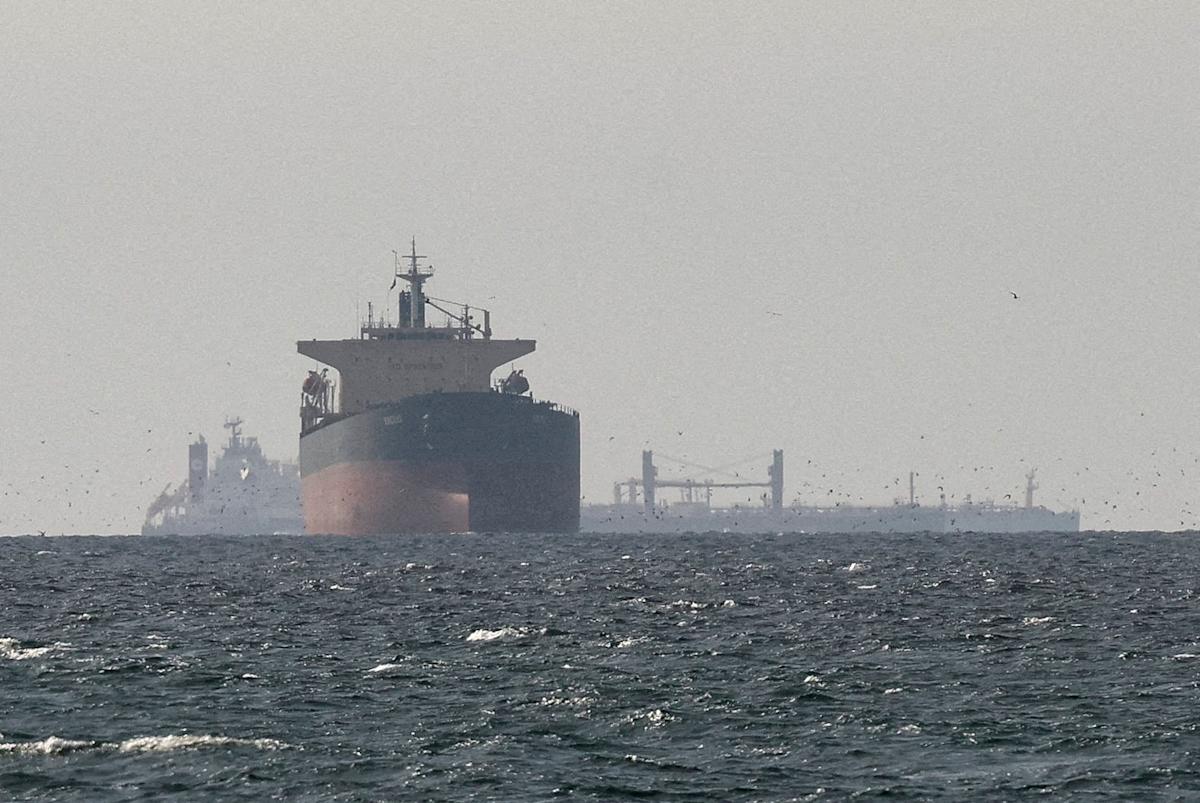
Good morning! Thursday brought a mix of excitement and concern to the stock market, initially opening significantly lower before recovering some losses following a significant announcement: Iran is reportedly drafting an agreement with Oman to regulate ship traffic in the Strait of Hormuz. This news suggested there would indeed be traffic to manage despite President Trump’s earlier comments about potential escalations in conflict.
The day’s market performance saw the S&P 500 (^GSPC) inch up by 0.1%, while the Dow (^DJI) dipped by 0.1%, and the Nasdaq (^IXIC) rose by 0.2%. Oil prices held steady, with domestic prices staying above $110, and global Brent hovering just below that threshold.
Upcoming Insights
Today presents a range of topics for further analysis:
- Reflections on the year following ‘Liberation Day’.
- OpenAI’s strategic entry into tech media.
- Tesla’s disappointing delivery figures against a shift towards AI.
- An ongoing narrative of AI-related mishaps.
- Starbucks’ new metric for employee performance.
On Friday, focus will shift to the March jobs report, with economists anticipating the creation of approximately 65,000 jobs, a figure crucial for sustaining a fragile labour market in the face of uncertainty.
Key Developments to Watch
- Mortgage Rates: They’ve risen for the fifth consecutive week, now nearing 6.5%.
- Hedge Fund Activity: Hedge funds are increasingly moving away from global equities, reflecting uncertainties surrounding Iran.
- SpaceX: The company is seeking a $5 billion investment from a Saudi fund ahead of its IPO.
- Tariffs on Pharmaceuticals: Trump has implemented tariffs while adjusting duties on steel and aluminium, with exemptions keeping drug tariffs at 0% for many companies.
- AI and Microsoft: Microsoft is developing its own AI models to reduce reliance on OpenAI, amidst broader conversations regarding AI safety.
- Coinbase: The cryptocurrency exchange has received conditional approval to operate as a bank.
- Fuel Prices: Jet fuel prices have surged by 100%, affecting airlines including Delta.
Reflection on ‘Liberation Day’
A full year has elapsed since President Trump’s sweeping tariffs were enacted under the title ‘Liberation Day’, heralding a significant reordering of international trade dynamics. While these tariffs were pitched as a means to restore American manufacturing and economic autonomy, the tangible outcomes have been mixed at best.
Current effective tariffs average about 11%, the highest level since 1943, and trade dynamics include a notable increase in the US trade deficit. Recent data showed the trade deficit rose nearly 5% in February, highlighting the volatility stemming from shifting policies.
Market Reaction and Analysis
Last year was characterized by significant volatility in markets, with the Dow experiencing sharp declines parallel to the chaos seen during the onset of the pandemic. However, as Trump rolled back some tariffs, markets rebounded, revealing the substantial influence market sentiment holds over policy decisions.
Recent economic signals, including the Federal Reserve’s stance on inflation and the developments in Iran, could create a challenging environment ahead, with analysts deliberating on the potential need for interest rate hikes.
Lessons Learnt and Remaining Questions
Key Takeaways:
- Market strategy has shown resilience, highlighting a cyclical tendency for presidents to revise economic policies based on market outcomes.
- The Fed is currently navigating the challenges posed by tariffs and inflation, with mixed signals complicating its approach.
- Global trade dynamics remain fluid, with job losses continuing in American manufacturing as alternatives are sought.
Open Questions:
- Can the Fed efficiently distinguish tariff-induced inflation from new energy shocks?
- How does the turbulent tariff environment relate to the ongoing instability in Iran?
- What impact will we see from continued high tariffs on overall economic performance?
In summary, the current economic landscape is shaped by numerous variables, from geopolitical tensions to energy prices, each influencing market dynamics and investor confidence. As the situation unfolds, continued vigilance will be essential for stakeholders navigating this landscape.