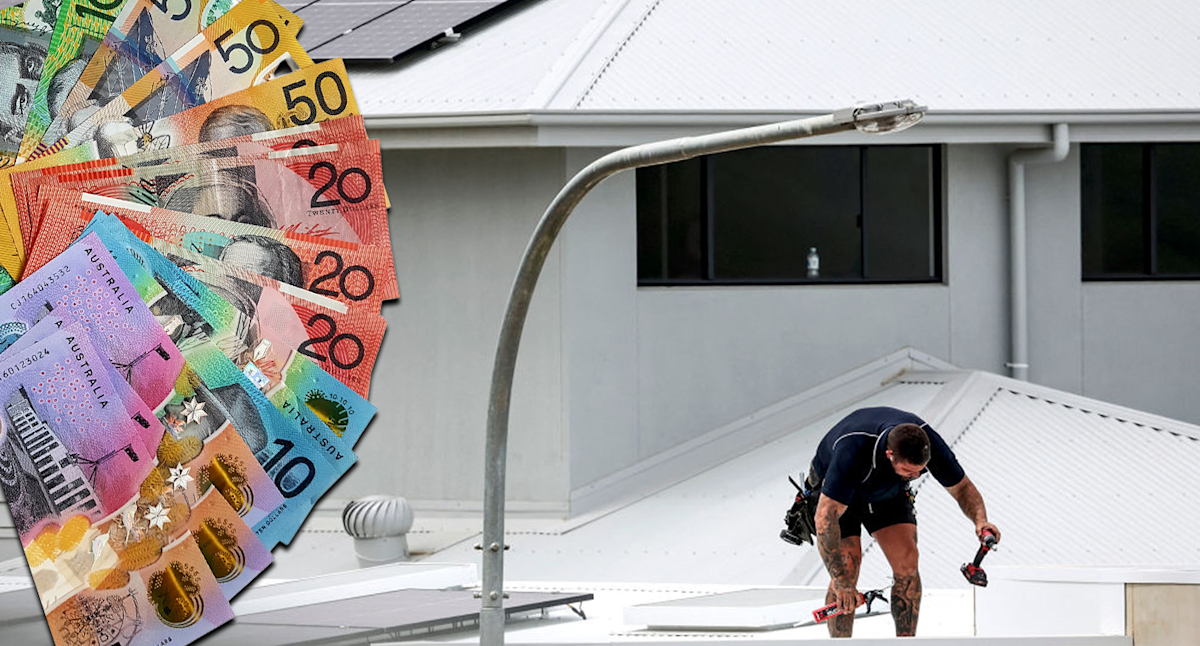
From 1 May 2026, changes to Australia’s federal rebate scheme for home battery installations will significantly impact prospective adopters. Due to a surge in demand and costs exceeding expectations, these modifications aim to extend the available funds to a broader base of homes while encouraging more tailored battery solutions that align with specific energy needs, moving away from the trend of opting for the largest possible systems to maximise rebates.
According to Daniel Tonkin, a battery installer, the high uptake of larger systems has necessitated adjustments to the programme. The upcoming rebate model will transition to a tiered system, reducing benefits for mid-sized and larger battery units while retaining full rebates for smaller systems. This could mean thousands of dollars less in rebates for many homeowners.
The programme, initially designed to reduce home battery costs by about 30%, allowed the average household to save approximately $4,000. Under the new structure, rebate calculations will occur biannually, a departure from the previous yearly reviews, hastening the pace of rebate reductions.
Tonkin emphasises that merely increasing battery size does not guarantee better savings; the system must be appropriately tailored to a household’s energy consumption for optimal long-term benefits.
For specifics on how the new rebate structures will impact various battery sizes, homeowners can refer to the government’s Cheaper Home Batteries Program.
Despite rising energy prices and geopolitical uncertainties affecting energy supply, the interest in battery installations remains robust. Tonkin notes that even after adjustments to pricing, demand for battery installations continues.
In addition to the rebate changes, the Australian Energy Market Commission is also considering a shift to a fixed charge model for accessing the electricity network, set to be implemented by the end of this decade. Critics of this proposal worry it could inadvertently penalise early adopters of battery technology, potentially pushing their costs up by $3,000 more than expected.
Energy expert Professor Mehdi Seyedmahmoudian from Swinburne University suggests that while reform is necessary as more households adopt solar energy and storage systems, the design needs careful consideration to maintain consumer confidence. He warns that pricing structures should encourage renewable energy participation—particularly during peak demand—rather than discourage it altogether.
As energy markets evolve, the significant role of home batteries in supporting the grid during high-demand periods has been highlighted. With the increasing penetration of renewables, grid-scale batteries are now absorbing surplus solar energy during daylight and redistributing it during peak demand times, which has contributed to lower wholesale electricity prices across most regions.
The Australian Energy Market Operator’s representative, Violette Mouchaileh, noted that battery storage technologies set market prices nearly a third of the time in the first quarter of 2026, indicating their growing importance in stabilising energy costs.
In summary, as Australia undergoes these rebates and pricing structural changes, it highlights the need for comprehensive consumer education and transparent communication. This approach is essential for maintaining momentum in battery technology adoption and supporting Australia’s overall transition toward a more sustainable energy future.