Nissan’s Revival: A Focus on US Manufacturing and Affordability
At the New York International Auto Show, Christian Meunier, the Chair of Nissan Americas, delivered a powerful message: Nissan is not just back in business but is actively investing in American manufacturing. Standing near the Frontier pickup, a vehicle emblematic of this commitment, Meunier announced that Nissan had emerged as the fastest-growing automobile brand in the US over the past six months, primarily due to an influx of new vehicle launches and a strategic pivot towards local production.
"In recent months, we’ve successfully regrown our business," Meunier stated in a conversation with Yahoo Finance. He emphasized the importance of scale in the automotive industry, arguing that it is crucial for managing costs and offering consumers affordable vehicle options.
Nissan aims for a 10% growth in US sales by 2026 and is targeting an ambitious goal of reaching 1 million annual sales by 2027. This aspiration marks a significant resurgence for the automaker, reminiscent of its pre-pandemic performance. The introduction of new models like the Leaf, Sentra, and Armada, along with the recently unveiled Infiniti QX65, has significantly boosted the company’s momentum.
Despite this upward trend, Nissan grapples with challenges from its past. The company had to scale back production and divest certain facilities while adjusting to changing market dynamics. Previous models failed to perform well, and intense competition, especially from Chinese automakers, took a toll on Nissan’s profitability. Additionally, an unsuccessful merger attempt with Honda complicated matters for the brand.
However, Nissan’s recent turnaround has garnered attention at the highest levels, including a commendation from President Trump regarding the company’s US manufacturing expansion. Meunier acknowledged that this recognition is deserved given the company’s efforts to revitalise its operations.
Nissan currently operates three manufacturing facilities in the US: two plants in Tennessee, including a powertrain shop, and one in Mississippi. The company has increased its share of domestically produced vehicles from around 45% to approximately 60-65%, aiming for 80% in the near future. Meunier remarked that the tariffs that have affected the automotive industry have inadvertently accelerated Nissan’s plans to enhance local production.
However, the tariff situation poses a challenge for Nissan’s entry-level vehicles, such as the Sentra and Kicks, which are manufactured in Mexico. This location allows Nissan to maintain lower pricing. With tariffs adding between $2,500 and $3,000 to each vehicle, Meunier is urging the US government for relief, emphasising the need for affordable entry-level models built in Mexico, where many components originate from the US.
The discontinuation of the Nissan Versa, once the last new car available in the US under $20,000, has highlighted the need for affordable options. Meunier reiterated that affordability is central to Nissan’s identity, mentioning plans to revive the Xterra SUV, a popular and wallet-friendly model from the brand’s past.
“In bringing back the Xterra, we intend to reinforce our commitment to affordability, quality, and appeal,” Meunier expressed, projecting confidence in Nissan’s future growth in the American market, which he considers crucial to the brand’s global success.
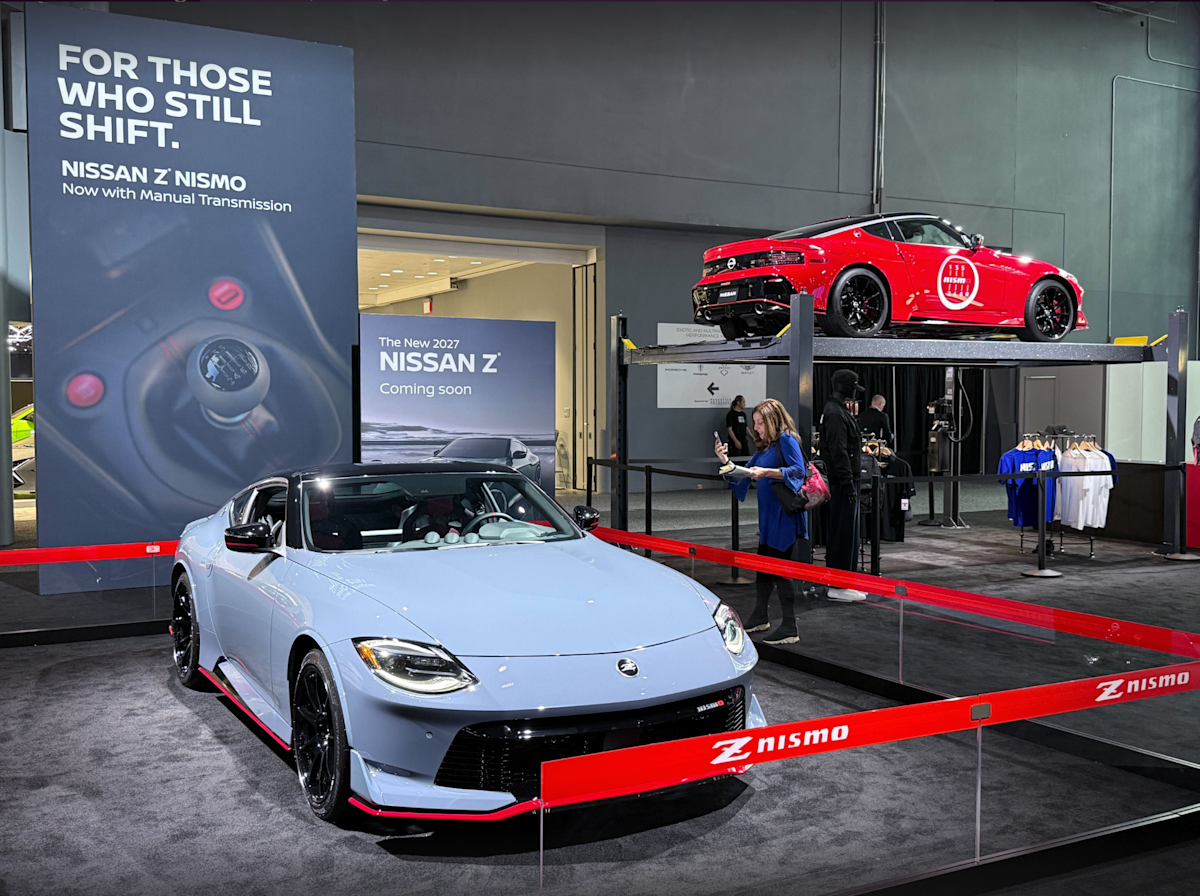
As a whole, Meunier believes that the atmosphere at the New York show encapsulates Nissan’s resurgence. Reflecting on the 370 Z Nismo showcased at the event, he concluded, "It’s affordable fun that we’re introducing to the market."
In summary, Nissan’s strategic pivot towards US manufacturing coupled with a renewed focus on affordability may indicate a turning point for the brand, signalling its potential for sustained growth and a comeback in the competitive automotive landscape.