Oil Prices Surge Amid US-Iran Negotiations and Middle East Ceasefire
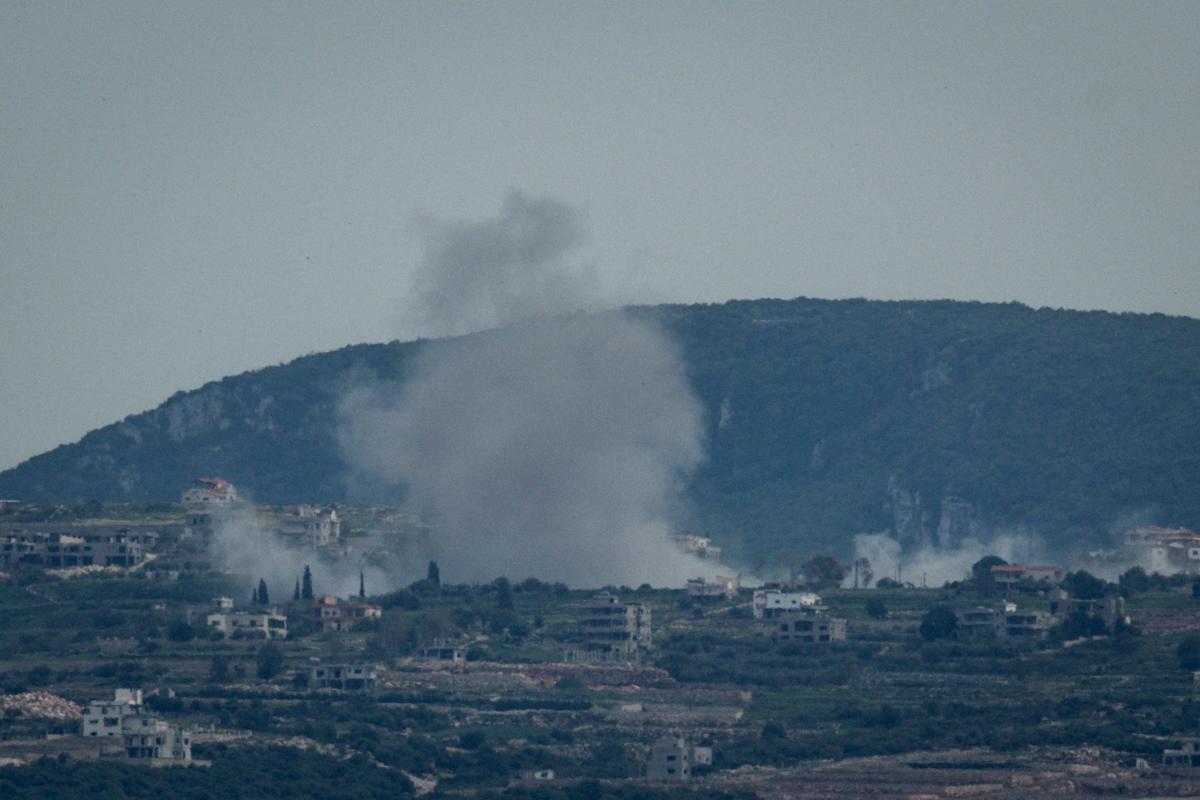
Oil prices experienced a notable increase on Thursday following the announcement of a temporary ceasefire between Israel and Lebanon. This development has led investors to reassess the potential for renewed peace talks in the region.
Brent crude futures, which serve as the international price benchmark, climbed 3.8%, exceeding $98.50 per barrel, while the US benchmark, West Texas Intermediate (WTI), saw a smaller uptick of 2.6%, rising above $90 per barrel. Earlier this week, both benchmarks had opened above the $100 per barrel mark.
In a recent post on Truth Social, former US President Donald Trump announced that Israel and Lebanon have agreed to a 10-day ceasefire, marking a pause in a conflict that has hindered positive relations between the US and Iran. Trump claimed to have had productive discussions with Lebanese President Joseph Aoun and Israeli Prime Minister Bibi Netanyahu, highlighting the necessity of this ceasefire for achieving lasting peace.
Despite Iran’s insistence that any ceasefire must include an end to Israeli military activities in Lebanon, Israel has continued its operations against Hezbollah. Iran’s parliamentary speaker, Mohammad Bagher Ghalibaf, remarked that the US must "commit" to a comprehensive ceasefire in Lebanon.
Investor sentiment this week is largely centred on whether negotiations for a potential peace deal will resume shortly. Initial discussions held in Islamabad, Pakistan, last weekend faltered after a lengthy 21-hour meeting between representatives from the US and Iran. The US is reportedly engaged in indirect discussions to extend the current two-week ceasefire, set to expire soon. White House Press Secretary Karoline Levitt confirmed that the US remains actively involved in peace negotiations.
In an interview with the New York Post, Trump suggested that media should remain in Pakistan as developments could emerge in the following days. He expressed optimism, stating he believes the conflict may soon draw to a close.
As negotiations remain tentative, key issues such as Iran’s nuclear programme, control of the strategically significant Strait of Hormuz, and economic sanctions on Tehran are still unresolved. Pakistan’s foreign minister indicated that a date for the next round of talks has not been established.
Additionally, significant maneuvers in the Strait of Hormuz have been reported, with the US Navy maintaining a blockade that has drastically reduced shipping traffic. This blockade has halted the flow of approximately 1.5 million barrels per day of Iranian crude oil. Chairman of the Joint Chiefs of Staff, General Dan Caine, stated that 13 ships have chosen to turn back rather than confront the blockade, although some reports indicate that Iran has managed to export 9 million barrels of crude oil since the blockade’s implementation.
As tensions persist, Iran reportedly possesses around 90 million barrels of crude oil in storage, allowing it to withstand a complete stop in exports for up to two months before production would need to be curtailed.
In response to these developments, Iran has shown a willingness to engage in negotiations, suggesting it would permit ships navigating Omani waters to do so without infringement, contingent upon reaching a satisfactory ceasefire agreement.
Overall, the ceasefire between Israel and Lebanon could serve as a catalyst for renewed diplomatic efforts between the US and Iran, providing a glimmer of hope for regional stability and potentially influencing global oil prices.
As the situation evolves, both investors and stakeholders in various sectors will be attentive to policy outcomes that could shape future economic landscapes, particularly in relation to energy markets.