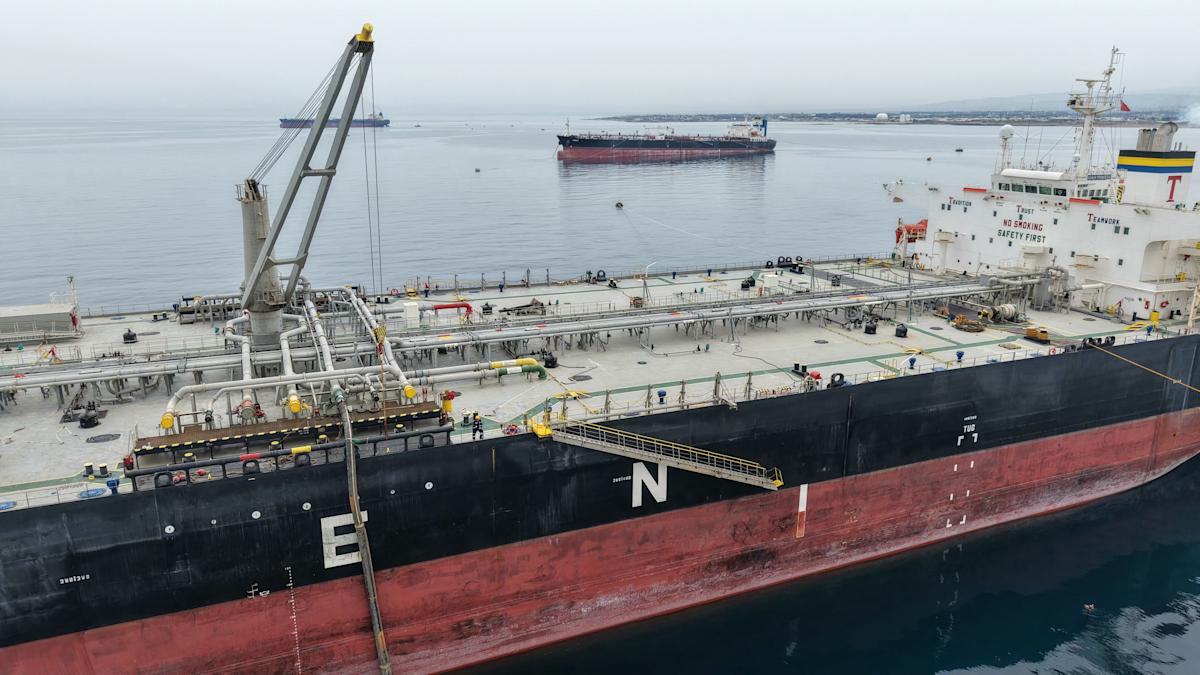
Oil Prices Drop Amid Ceasefire in Israel-Lebanon Conflict
On Friday, oil prices experienced a significant decline following comments from Iran’s foreign minister indicating that the Strait of Hormuz, a crucial channel for global energy transportation, would remain open to commercial shipping throughout the ongoing 10-day ceasefire between Israel and Lebanon. Brent crude futures plunged to below $90 per barrel, marking a 10% decrease, while US benchmark West Texas Intermediate (WTI) fell over 10.5% to below $82. Earlier in the week, both benchmarks had been trading above $100.
Abbas Araghchi, the Iranian foreign minister, announced via social media that commercial vessels would be allowed free passage through the Strait for the duration of the ceasefire. However, he also noted that ships must coordinate their routes with the Iranian Revolutionary Guard Corps, creating uncertainty for marine operators regarding safe passage.
Reports have suggested that any vessel crossing the strait must adhere to specific routes proposed by the Iranian authorities, including a requirement to transit closer to Iran’s coastline. Just days prior, Iran had hinted at offering a deal for secure passage in Omani waters, contingent upon the US and Iran establishing a firm ceasefire.
Despite the announced ceasefire, market analysts have expressed caution, noting that various logistical challenges and potential Iranian conditions remain. The announcement follows the activation of the temporary ceasefire, which began on Thursday at 5 p.m. ET, aiming to alleviate tension in the region and potentially facilitating further negotiations involving the US and Iran.
In a response shortly after the Iranian announcement, former President Donald Trump commented on social media, asserting that while the strait was "ready for business," the US naval blockade against Iran would continue until a complete deal was finalised. This statement has added complexity for shipping companies attempting to navigate the evolving geopolitical situation.
The ceasefire between Israel and Lebanon, which has significantly influenced US-Iran dialogue, comes in the wake of ongoing military actions in the region, particularly Israel’s operations against Hezbollah in Lebanon. Trump has indicated that negotiations for a more comprehensive deal to conclude the conflict with Iran are progressing, mentioning potential concessions from Iran concerning their nuclear programme and hinting at possible financial arrangements involving frozen Iranian assets.
As discussions proceed, uncertainty persists about the precise terms and timeline for any future agreements. Current estimates suggest that finalising any deal could take several months as stakeholders navigate the intricate dynamics at play.
In summary, oil markets face volatility due to geopolitical developments in the Middle East, particularly involving Iran and the ongoing ceasefire between Israel and Lebanon. While initial openness from Iran may ease shipping fears temporarily, unresolved conditions and the US’s contingent blockade complicate the landscape for commercial maritime operations.