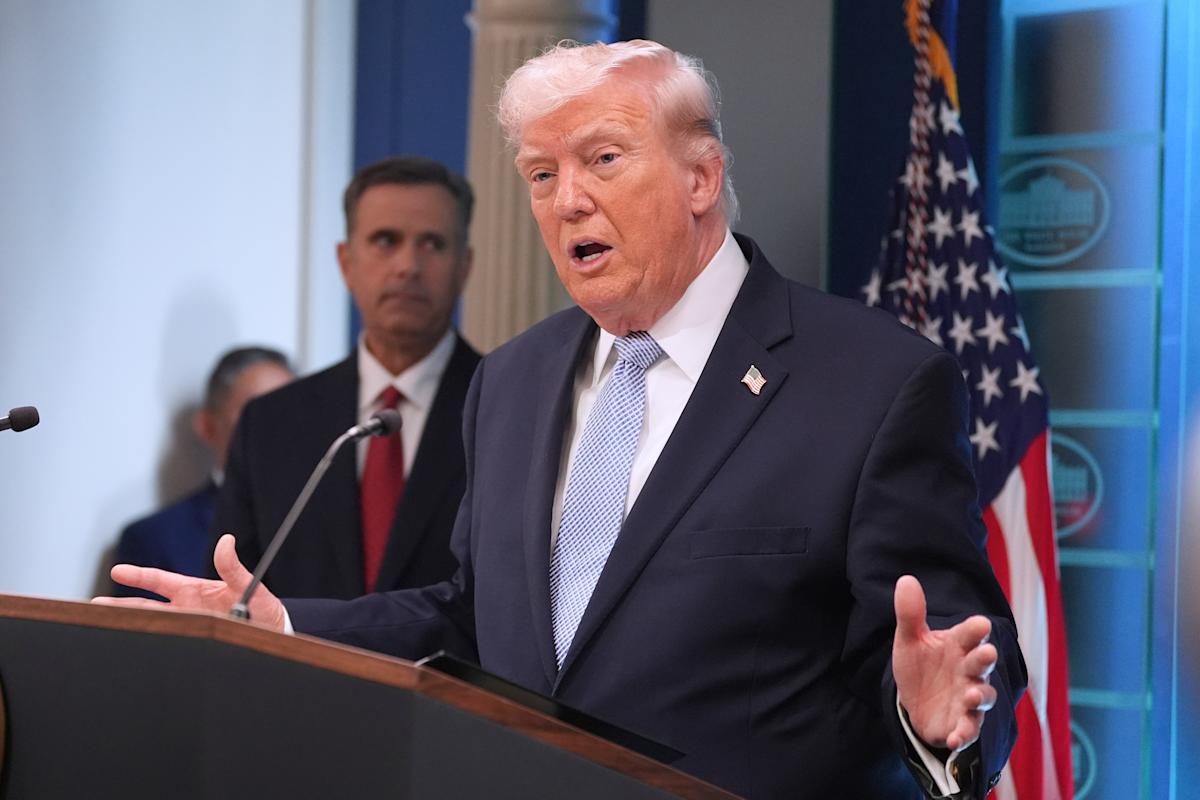
Oil futures experienced a significant decline on Wednesday morning following President Trump’s announcement of a temporary ceasefire and the suspension of hostilities against Iran. Trump declared on Truth Social that he would pause all military operations against Iran for two weeks, stating, “This will be a double-sided CEASEFIRE!” He asserted that military objectives had been met and progress was being made towards a long-term peace agreement in the Middle East.
In response to the announcement, Iranian Foreign Minister Abbas Araghchi confirmed the acceptance of the truce. He noted that if military actions ceased, Iran would also halt its own operations. He emphasised that safe passage through the Strait of Hormuz would be coordinated with Iran’s Armed Forces during this period.
As a consequence of the ceasefire, Brent crude futures plummeted by 14%, nearing $94 a barrel, while West Texas Intermediate (WTI) futures suffered a 16% drop, hovering around the same price point.
The news had a positive effect on the stock market, with S&P 500 futures rising by 2.7% and Dow Jones Industrial Average futures climbing by 2.6%. The tech-heavy Nasdaq 100 saw an even greater increase of 3.4%. This optimism reflects a general market sentiment that a halt in military conflict could lead to stabilised energy prices.
Despite the ceasefire, the Strait of Hormuz remains a critical geopolitical area, with about 20% of the world’s oil supply passing through it. Trump indicated that discussions had ensued with Pakistani officials regarding the ceasefire, citing a proposal from Iran as a solid foundation for negotiations to resolve long-standing issues.
Following the ceasefire declaration, US officials confirmed the suspension of attacks against Iran, while Araghchi affirmed that Iran’s operations would cease as well. However, media reports indicated ongoing strikes in Iran, including attacks on oil refineries, highlighting the complexities surrounding the ceasefire.
Before the ceasefire announcement, tensions were high, with Iran’s leadership reportedly unwilling to discuss a temporary end to hostilities, insisting instead on a complete cessation of the war and reparations for damage.
During the ongoing conflict, US and Israeli forces targeted military and energy infrastructure in Iran without affecting crucial civilian services. Trump’s previous warnings included threats of severe destruction in Iran if negotiations failed, hinting at the immediacy of his ultimatum during press conferences and social media posts.
In conclusion, the recent developments signal a cautious step towards peace but also reveal ongoing tensions and uncertainties in the region. The temporary ceasefire may alter energy markets, but the long-term effects remain to be seen as negotiations unfold.