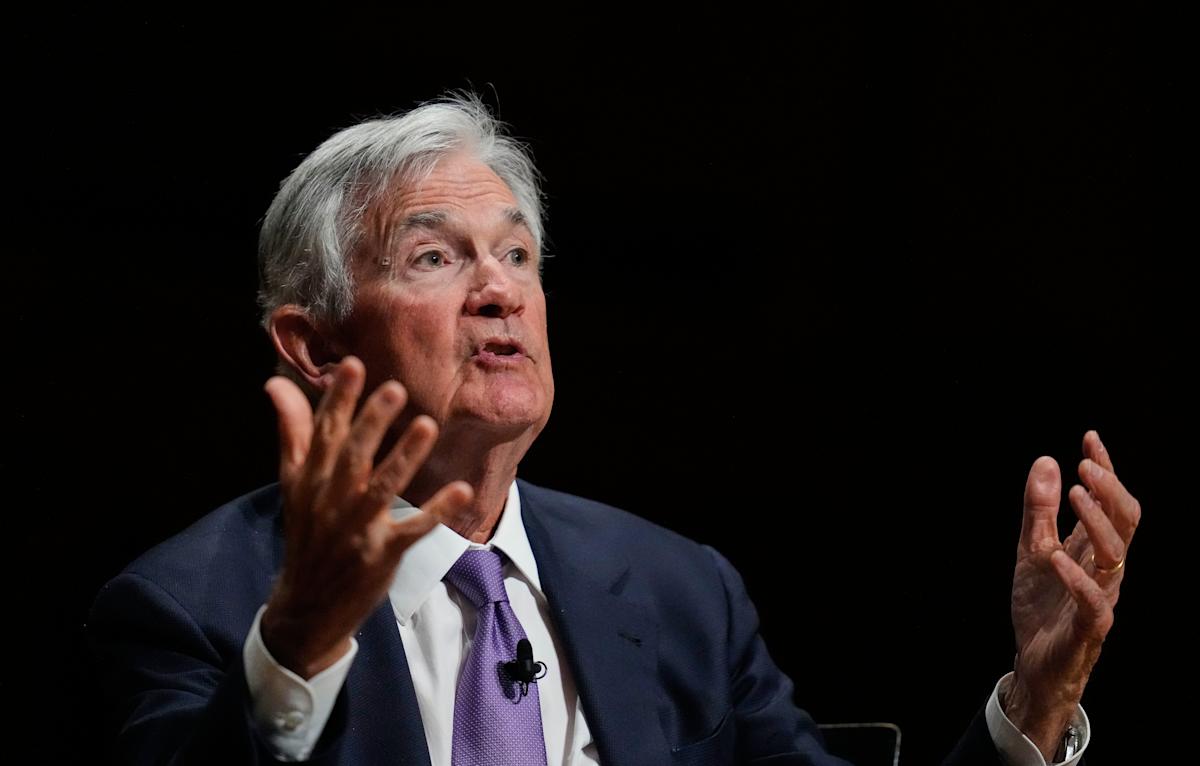
The essence of the Morning Brief today underscores the significance of sentiment in economic discussions, particularly regarding inflation. Sentiment data is often dismissed due to its subjective nature, but recent comments from Federal Reserve Chair Jerome Powell highlight its importance.
During a Harvard University event, Powell indicated that the Fed’s actions in response to events such as the ongoing conflict in Iran will heavily depend on public perceptions of these developments and their economic implications. He emphasised that while central bankers typically try to disregard temporary supply shocks, it’s vital to monitor inflation expectations closely. Such expectations influence consumer behaviour, affecting shopping, saving, and investing habits. Similarly, businesses may adjust their operations based on anticipated cost increases.
The Fed aims to maintain inflation at a target rate of 2%. However, its credibility as a policymaker hinges on the public’s belief in this goal. Powell pointed out that well-anchored inflation expectations are crucial; if these expectations drift away, actual inflation could rise as a result. This sentiment-driven cycle can complicate central banks’ operations, as they must assess public perceptions and formulate policies to manage expectations effectively.
The broader impact of price expectations is further illustrated by the recent ongoing military tensions involving Iran, where public opinion plays a critical role in shaping economic forecasts. The discourse surrounding these events, often influenced by social media and contrasting narratives from involved parties, underlines the intricate interplay between sentiment and economic policy.
In summary, understanding and managing sentiment is crucial for central banks, as it profoundly shapes consumer and business behaviour, ultimately affecting inflation rates. As Powell stated, clarity in public perception is essential for maintaining economic stability, particularly during uncertain times.