Table of Contents
Tesla Stock Sees Retail Investor Resurgence Amid Market Challenges
Tesla’s (TSLA) struggling stock price has drawn the attention of retail investors, who are increasingly showing confidence in the electric vehicle (EV) maker. According to Vanda Research, Tesla has experienced a noteworthy $256 million influx from retail investors over the past five days, indicating a strong belief in the company’s potential. This support comes at a time when interest in other technology giants, referred to as the “Magnificent Seven”—including Nvidia (NVDA), Meta (META), and Microsoft (MSFT)—has waned.
Vanda Research noted that while retail traders remain engaged with the market, their buying behaviour has shifted towards more tactical and selective approaches, reflecting a defensive stance in their investment strategies.

Source: Vanda Research
Tesla’s Year-to-Date Performance
Despite the recent uptick in retail purchases, Tesla has faced a considerable decline in its stock, down 23% since the start of the year, making it the worst performer among its Magnificent Seven peers. A combination of factors has contributed to this disappointing performance.
In the first quarter of this year, Tesla managed to deliver 358,023 vehicles, falling short of analyst predictions, which ranged from 366,000 to 370,000 units. Although this figure marks a 6.3% year-over-year increase, it is essential to note that it stems from a low baseline and marks a significant drop from the record deliveries seen in the previous fourth quarter.
The situation has been further complicated by the expiration of the $7,500 federal electric vehicle tax credit in the US, implemented by the previous administration, which has adversely affected domestic demand for electric vehicles. Simultaneously, persistently high interest rates have increased financing costs for potential buyers, creating a challenging environment for sales.

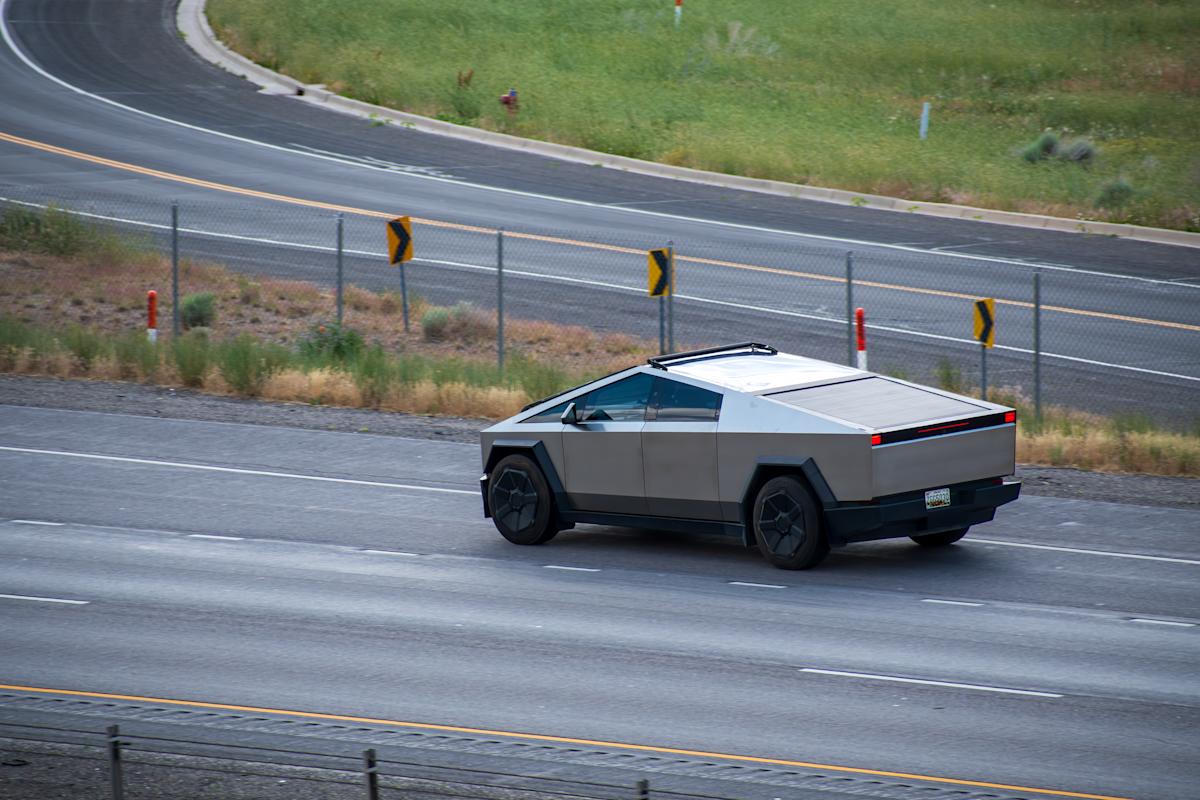
Source: Charles-McClintock Wilson via Getty Images
Increasing Competition for Tesla
Adding to Tesla’s challenges is the fierce competition from Chinese electric vehicle makers like BYD (BYDDY), along with legacy automotive brands such as Mercedes-Benz, General Motors (GM), and Ford. These companies are ramping up their EV production, albeit at a slower pace than Tesla.
Analysts like Ryan Brinkman from JPMorgan have expressed caution regarding Tesla’s future performance. Noting a collapse in expectations for the company’s financial metrics through the end of the decade, Brinkman highlights a paradox where Tesla shares have risen over 50% and analyst price targets have increased by 32% amid declining performance expectations. This suggests a collective belief that the company will eventually rebound significantly.
Brinkman recommended that investors should approach this expectation with caution, taking into account execution risks and the time value of money. With a "Sell" rating still in place, he set a $145 price target for Tesla’s stock, which indicates a potential drop of around 60% from current levels.
Conclusion
As Tesla navigates a turbulent market landscape marked by declining stock performance and increased competition, the recent surge in retail investment reflects a complex sentiment among investors. While some see potential for recovery, analysts urge caution, highlighting the risks involved as the company attempts to reclaim its position within a rapidly evolving automotive marketplace. Investors should remain vigilant and informed as they consider their next steps in relation to Tesla’s future.