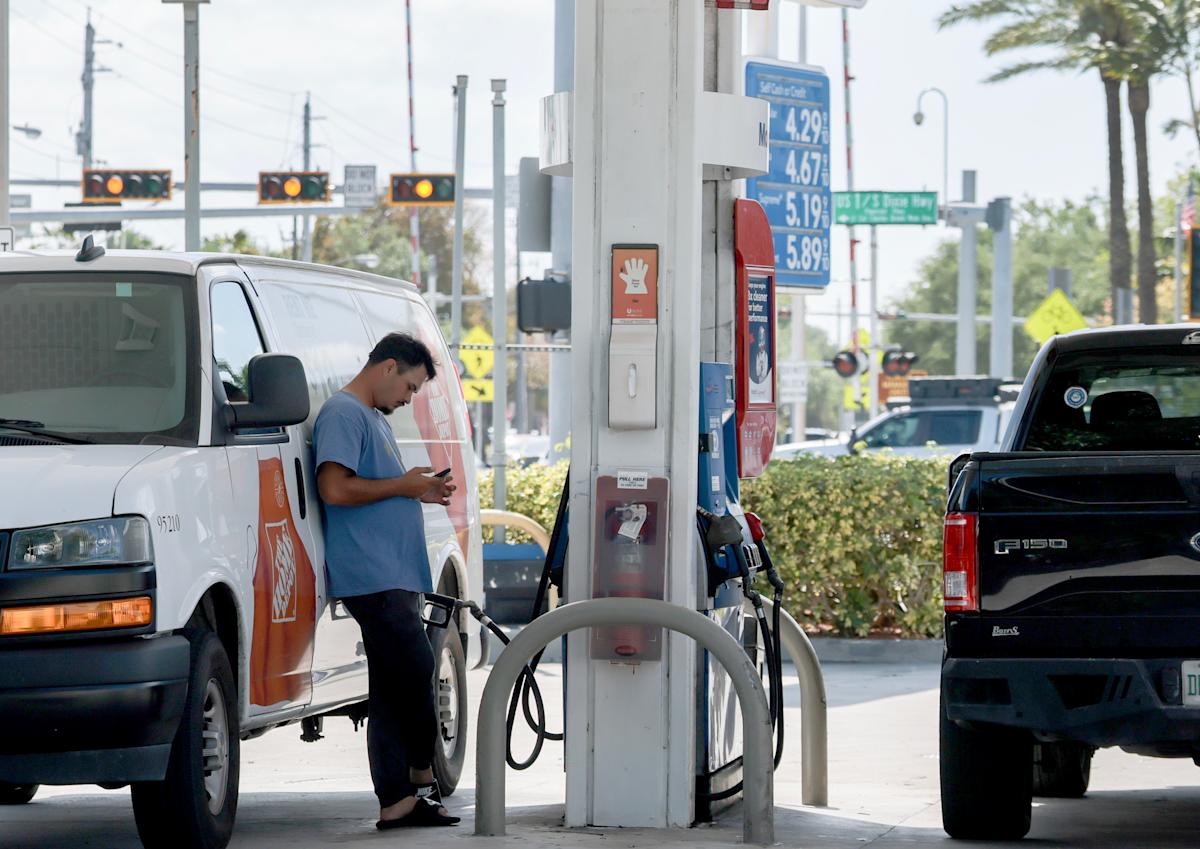
Rising Fuel Prices Impacting US Tax Refunds and Consumer Spending
As higher gas prices increasingly burden American consumers, the anticipated boost from substantial tax refunds this year is being undermined. Tax refunds for US taxpayers have seen an increase of $43 billion compared to last year, yet a significant portion of this newfound wealth is being siphoned off by soaring fuel costs, which have already cost consumers approximately $19 billion, as reported by Bank of America.
Bank of America’s analysts noted that escalating energy prices, largely attributed to the ongoing conflict between the US and Iran, are likely stifling the expected surge in consumer spending that fiscal stimulus typically brings. They highlighted the strain on the consumer due to rising fuel costs.
Impact of the Iran Conflict on Oil Prices
The closure of the Strait of Hormuz, a vital channel for about 20% of the world’s oil supply, has resulted in significant disruptions. This blockage has caused global oil prices to rise sharply, prompting an increase in petrol costs. Brent crude oil futures have soared above $120 per barrel, reaching their highest levels since June 2022, while US West Texas Intermediate (WTI) crude also spiked to $110 per barrel. Industry experts estimate that every ten-dollar increase in oil prices results in an approximate 25-cent hike in petrol prices per gallon.
The national average for petrol has now reached $4.39 per gallon, the highest since 2022, significantly up from $4.06 just a month prior and a stark contrast to the $2.98 average before the war began.
Consumer Spending Trends Amid Higher Fuel Costs
Despite the spiking petrol prices, retail spending has maintained a degree of resilience, as evidenced by a 1.7% rise in March retail sales. Companies like Starbucks have reported robust quarterly sales; however, other budget-focused brands, such as Domino’s and Wayfair, have struggled to attract price-sensitive customers.
Bank of America cautioned that if relief at the pump does not materialise soon, the adverse effects of these increases could weigh more heavily on consumers in the coming months. In California, average gas prices have already eclipsed $6 per gallon for the first time since October 2023, creating a burden for many households.
Future Prospects for Fuel Prices
While some experts suggest potential relief may not be on the horizon, even with the reopening of the Strait of Hormuz. GasBuddy analyst Patrick De Haan projected that returning to pre-war prices could take up to 60 weeks due to the significant volume of oil lost during the closure.
Historically, when gas prices in the US surpassed $4 per gallon in March 2022, it took several months for them to descend below that threshold. This context suggests that consumers may need to brace for ongoing challenges until the oil supply stabilises.
In summary, while tax refunds offered a momentary boost to American wallets, escalating fuel prices are likely to overshadow this financial relief, challenging consumer spending and broader economic recovery in the near term.