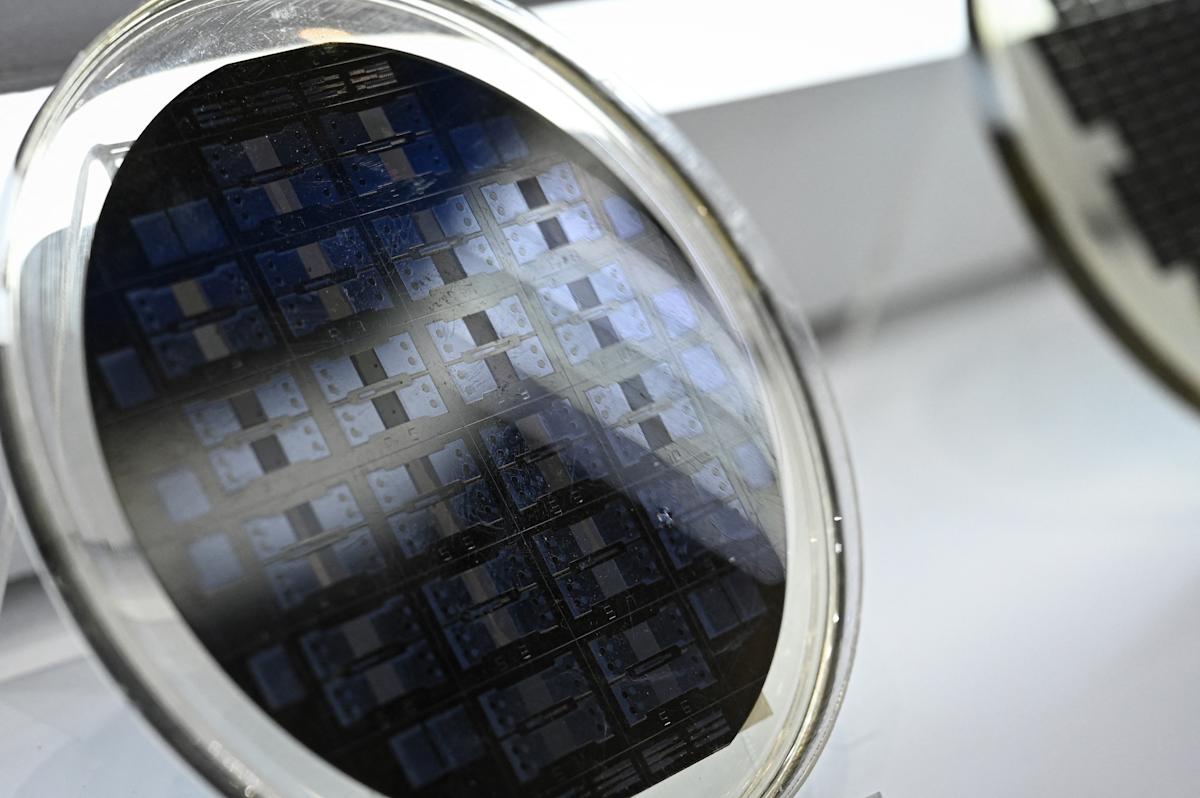
The semiconductor industry is on track to experience unprecedented growth, with global expenditures projected to hit $1.3 trillion by 2026. This represents the most significant expansion in 20 years, according to market research firm Gartner.
This forecast reflects a remarkable 64% year-on-year revenue surge for semiconductor companies, highlighting that the sector’s momentum isn’t solely reliant on artificial intelligence (AI) chips. Key components such as memory chips and networking technologies are anticipated to significantly contribute to this robust growth.
Gartner’s senior principal analyst, Rajeev Rajput, noted, “Due to the escalating demand for AI processing, robust data centre networking, and ballooning memory prices—referred to as ‘memflation’—the semiconductor sector is poised for a remarkable third consecutive year of double-digit growth in 2026.” This achievement underscores the crucial role of semiconductors within the AI technology framework.
Memflation specifically relates to the ongoing price increases for memory chips, which are essential for AI server functionality. The market for these memory semiconductors is dominated by a select few manufacturers, including Micron, Samsung, and SK Hynix. Consequently, these firms are pivoting towards high-margin data centre memory manufacturing rather than producing components for consumer electronics like laptops and smartphones.
Micron has strategically opted to terminate its Crucial consumer memory division, shifting its focus towards data centre chip production, which has significantly benefited the company’s financial health. In its recent earnings report, Micron revealed an earnings per share (EPS) of $12.20 alongside a revenue of $23.86 billion, translating to a staggering EPS increase of 682% and a revenue jump of 196% year-on-year. The Wall Street consensus had expected an EPS of $9.00 and revenue of $19.7 billion.
Over the last six months, Micron’s stock has soared 104%, with a staggering 512% increase over the past year. Similarly, rival SK Hynix has seen its shares rise over 500% in the same timeframe, while storage chip maker Western Digital has witnessed an astonishing stock surge of 920%.
Nevertheless, the memory squeeze also presents challenges for consumer electronics companies, forcing them to compete for a diminishing supply of memory resources. Gartner predicts that memory prices could spike by 125% in 2026, with storage chip prices expected to rise by 234%. Rajput commented, “Memflation will significantly hinder or possibly postpone non-AI demand until 2028, the impact of which will vary based on the application involved.”
“Technology suppliers should brace for elevated prices in the first half of 2026, followed by continuing, albeit moderating, price increases for the remainder of the year. Chief Information Officers and IT leaders should exercise caution in forming supply agreements with unfavourable pricing terms that extend past 2027,” Rajput added.
As the semiconductor market navigates these turbulent waters, companies must remain agile and responsive to the evolving landscape shaped by AI and memory demand.