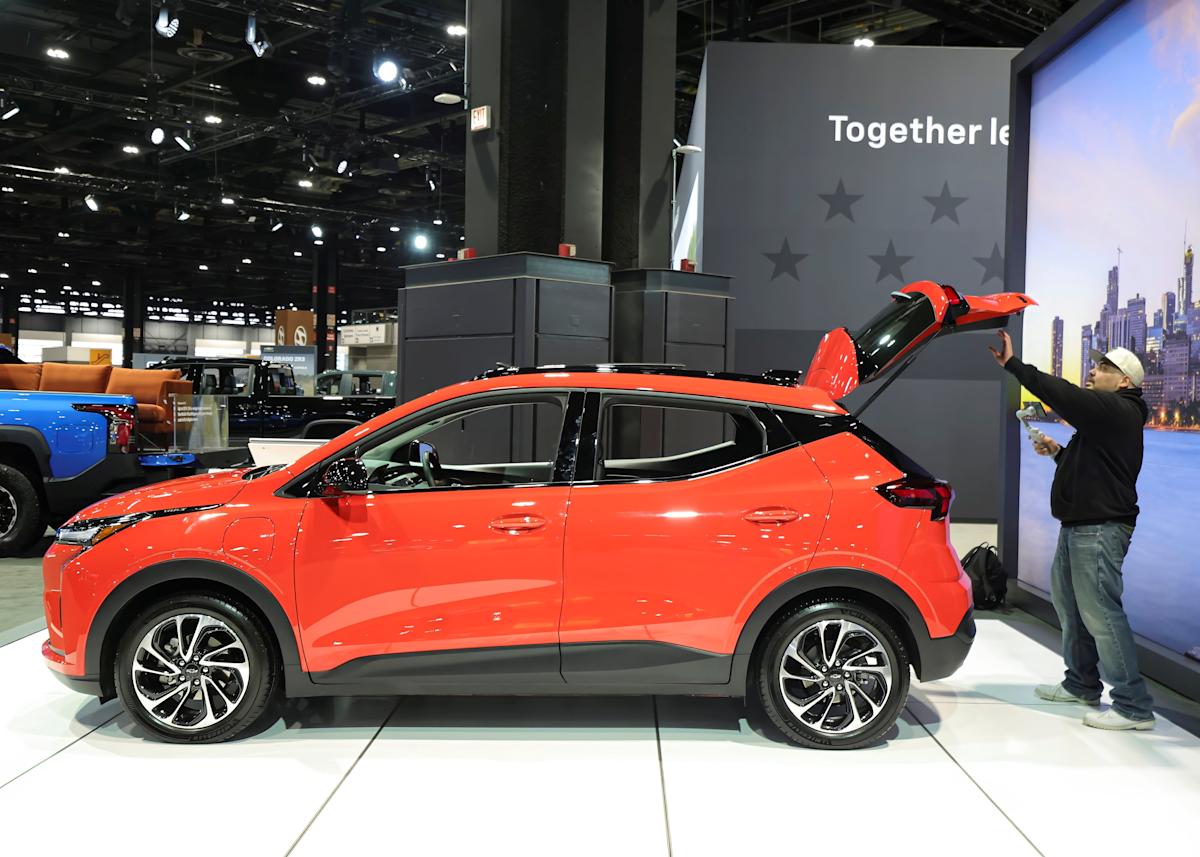
Rising Gas Prices Fuel Interest in Electric Vehicles
As petrol prices approach $4 per gallon, particularly spiking in states like California and New York, the dynamics of consumer vehicle choices are shifting significantly. Traditionally, electric vehicles (EVs) tend to be more expensive than their petrol counterparts, but current pump prices are causing a re-evaluation.
Recent data from Edmunds.com indicates that consumer interest in electric and hybrid vehicles has reached 23.8% of all vehicle research activity on their platform, an increase from 22.4% the previous week, marking a record high for 2026. Jessica Caldwell, Edmunds’ head of insights, noted that "high gas prices," coupled with rising interest rates, are leading consumers to explore alternatives to traditional petrol vehicles.
Amidst these economic pressures, the appetite for electrified vehicles seems to be growing. Cox Automotive reported that in February, used EV sales surged to 30,879 units, representing a year-on-year increase of 28.8% and a month-on-month rise of 4.2%. This trend suggests that consumers are increasingly drawn to the benefits of electric transportation.
Morgan Stanley analyst Andrew Percoco outlined the financial advantages of switching to EVs. At the current fuel price of $4 per gallon, the average annual fuel cost for a petrol vehicle is approximately $1,700, in stark contrast to just $700 for an EV. He highlighted that every $1 increment in fuel prices translates to an additional $450 in annual fuel expenditure for internal combustion engine (ICE) vehicles, assuming a standard fuel efficiency of 27 miles per gallon over 12,000 miles annually. Percoco’s analysis suggests that charging an EV could be 60% more economical than the fuel costs of an ICE vehicle at these petrol prices.
Prolonged periods of elevated fuel prices may compel consumers to reconsider their vehicle preferences, with Percoco predicting a shift away from high-margin SUVs and trucks toward more economical electric vehicles. This sentiment was echoed by Rivian CEO RJ Scaringe, who anticipated that continued high gas prices would gradually influence consumer behaviour.
Rivian is banking on this potential shift to bolster sales of its upcoming midsize R2 electric vehicle, which is anticipated to resonate well with consumers seeking alternatives due to rising fuel costs.
Despite rapid growth in EV sales in regions such as Europe and China, American consumers have traditionally gravitated towards larger vehicles like trucks and SUVs. However, history shows that there comes a tipping point, as noted during the energy crises of the 1970s and 2008, sparking a greater demand for fuel-efficient models, epitomised by the rise of hybrids like the Toyota Prius and, later, electric options like the Tesla Model S.
Caldwell from Edmunds reiterated that if drivers regard the current surge in gas prices as a fleeting issue, they may tolerate the additional costs instead of committing to a new vehicle purchase. Conversely, sustained high fuel prices could prompt more shoppers to prioritize fuel efficiency and electric technology in their future acquisitions.
In conclusion, the growing urgency of the economic landscape is catalysing a shift in consumer preferences towards electric vehicles. Prolonged high petrol prices could not only influence immediate purchasing decisions but also reshape the future of the automotive market as a whole.