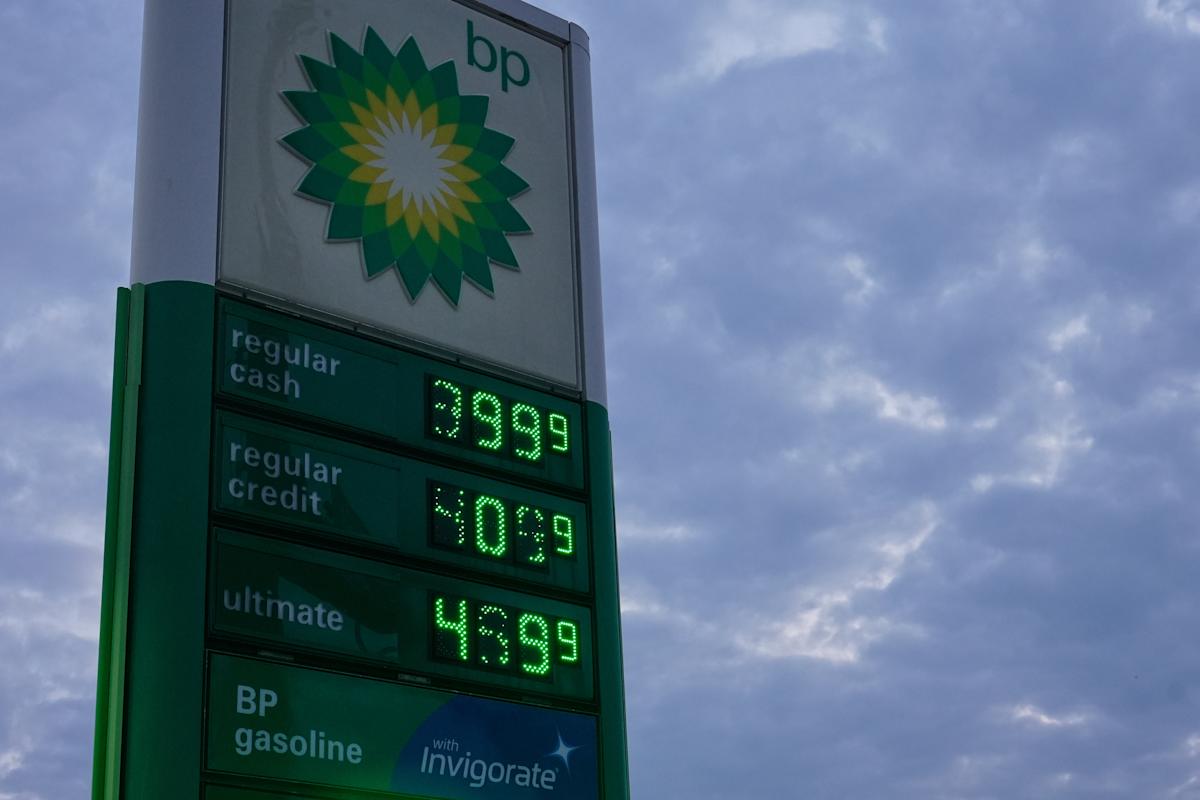
Tax Refunds at Risk Due to Rising Gas Prices
In a recent analysis, JPMorgan has cautioned that escalating petrol prices may significantly diminish the benefit of consumer tax refund cheques. This could lead to a disappointing economic growth rate in the United States during the first half of the year.
Michael Hanson, a strategist at JPMorgan, highlighted the uncertainty surrounding both the potential boost from tax refunds and the drag from surging energy costs. He noted that under certain conditions, increased gasoline prices could consume much or even all of the expected tax benefits, posing a downside risk to their growth forecast for 2026.
Currently, the national average petrol price has surged to $4.00 per gallon, the highest mark since August 2022. This increase is not only significant but also represents the most considerable monthly rise recorded by GasBuddy. Although Hanson doesn’t predict that the entirety of tax refunds will be wiped out by these climbing energy prices, he acknowledged the possibility if prices soar close to $5 per gallon or higher. He explained that every $0.10 increase in gasoline price translates to an additional $12 billion in spending on fuel compared to what consumers paid in 2025.
According to recent data, the average tax refund has reached $3,571 as of late March—an impressive 10.9% increase compared to the previous year. This boost largely results from the One Big Beautiful Bill Act (OBBBA), a sweeping tax reform signed by former President Trump that took effect for the 2025 tax year. One of the main contributing factors to these larger refunds is that the IRS did not fully adjust withholding tables to align with the new tax cuts, leading many workers to overpay throughout the year and subsequently receive a larger lump-sum refund.
Several provisions under the Trump tax code have also contributed to this increase. Taxpayers are now able to claim new deductions for tips (up to $25,000) and overtime pay (up to $12,500 for individuals). Additionally, the introduction of a $6,000 extra deduction for seniors has so far benefited over 9.2 million filers this season. The child tax credit has also seen an increase, now offering a maximum of $2,200 per child, alongside a new deduction of $10,000 for auto loan interest.
At present, Hanson believes that the larger tax refunds will outweigh the higher fuel costs for the time being. He estimates that the overall benefit from tax refunds this year could exceed $200 billion, with about $180 billion of that being recognised during the first half of the year. In contrast, the current elevated petrol prices would only impose an additional $100 impact on purchasing power, assuming these prices remain stable throughout the year.
As the situation evolves with energy prices playing a crucial role in consumer spending, the implications for the economy remain complex. Tax refunds, while advantageous to consumers, may face significant eroding forces from rising energy costs, potentially leading to a more subdued economic outlook in the near future.