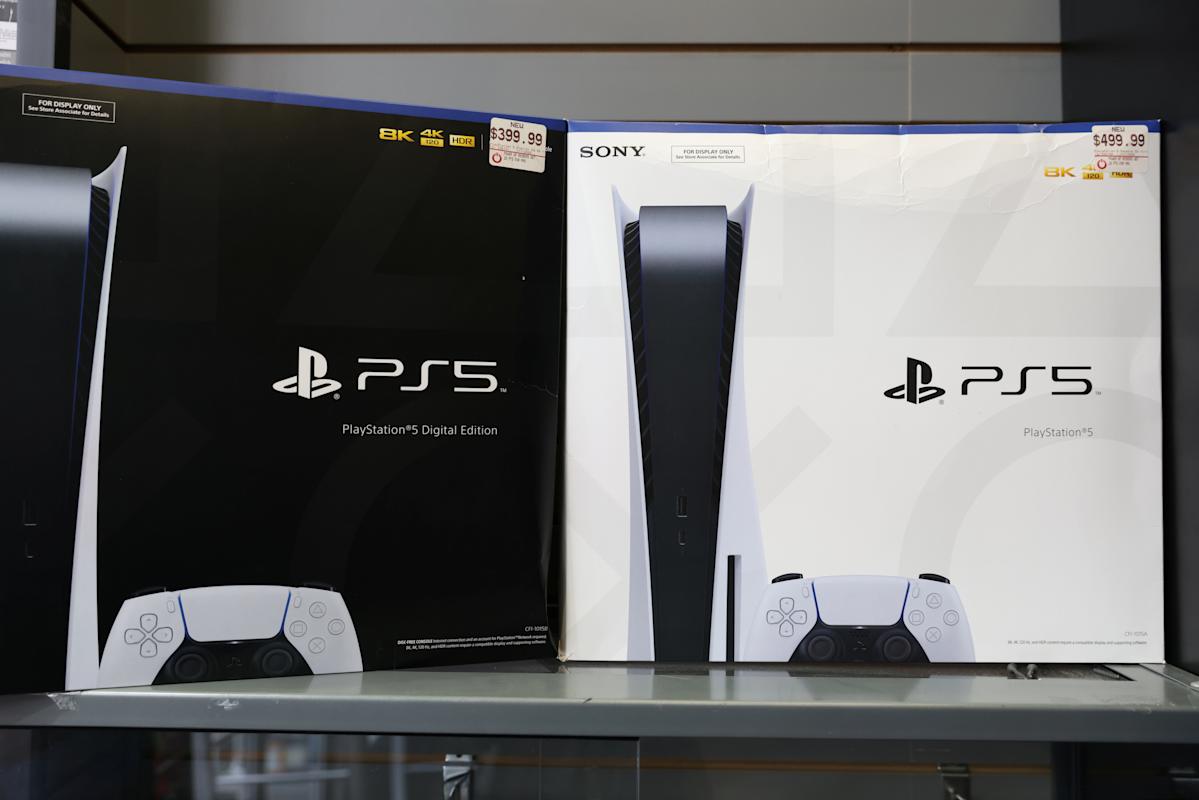
Sony has announced a further price hike for its PlayStation 5 (PS5) models, responding to ongoing pressures in the global economic environment. The digital edition without a disc drive is now priced at AUD 599, while the standard edition, which includes a built-in disc drive, will cost AUD 649. Additionally, the newly introduced PS5 Pro will set consumers back AUD 899.
When the PS5 first launched in November 2020, it was available for AUD 399 for the digital edition and AUD 499 for the standard version. The more powerful PS5 Pro debuted in November 2024 at AUD 699. Isabelle Tomatis, Vice President of Global Marketing at Sony Interactive Entertainment, acknowledged the impact of these changes on consumers, stating that, after careful consideration, the increase was deemed necessary to maintain the delivery of high-quality gaming experiences to players worldwide.
This price adjustment is the latest in a series of hikes affecting Sony’s consoles. In October 2023, Sony released updated “Slim” versions of the PS5, raising the digital edition’s price to AUD 450 while keeping the standard “Slim” version at AUD 499. Earlier in August 2023, the company had instituted a AUD 50 price increase across its consoles, with the digital edition rising to AUD 499, the standard edition to AUD 549, and the PS5 Pro to AUD 749.
Sony isn’t alone in this trend; Microsoft and Nintendo have also adjusted their prices. Microsoft’s Xbox consoles have seen price increases due to similar economic factors, and Nintendo has raised the price of its original Switch, although the price for the newer Switch 2 has remained the same.
The price increases within the gaming industry can be attributed to two main issues: tariffs imposed during the Trump administration and a global shortage of memory chips. Despite the Supreme Court’s disallowing broader tariffs, a 10% duty on imports to the United States remains in effect, contributing to rising costs for consumer electronics.
Additionally, the ongoing global expansion in artificial intelligence is steering memory chip manufacturers towards producing high-margin memory chips for data centres over those used in consumer products. This shift has resulted in tighter supplies and increased costs. Market research firm Gartner has forecasted that this chip shortage will significantly impact the PC and smartphone sectors, projecting a 10.4% drop in PC shipments and an 8.4% decrease in smartphone shipments by 2026, with corresponding price increases of approximately 17% and 13%, respectively.
As the gaming and technology market grapples with these challenges, consumers will likely continue to see rising prices across various platforms. Sony’s commitment to maintaining innovative and high-quality gaming experiences remains a priority, albeit at a higher cost to the consumer.