Tesla’s Full Self-Driving Software Approved in the Netherlands: A Major Step Forward
Tesla, Inc. (TSLA) has achieved a significant milestone within the European Union, with the Netherlands granting approval for its Full Self-Driving (FSD) software. This landmark decision opens up the potential for Tesla to distribute its key growth product to a larger customer base across Europe.
In a recent post on X (formerly Twitter), Tesla announced, "FSD Supervised has been approved in the Netherlands and will begin rolling out in the country shortly," a statement first reported by Reuters. The Dutch motor authority, RDW, confirmed its endorsement of the FSD system, stating, "RDW has issued a type approval for Tesla’s driver assistance system, FSD Supervised.” The authority further elaborated that the system underwent extensive testing for over 18 months on their test tracks and public roads.
It is worth noting that while Tesla is the first to receive this specific approval in the EU, other automotive manufacturers have also secured permissions for similar self-driving technologies. Companies such as BMW and Ford have also been recognised for their supervised self-driving systems.
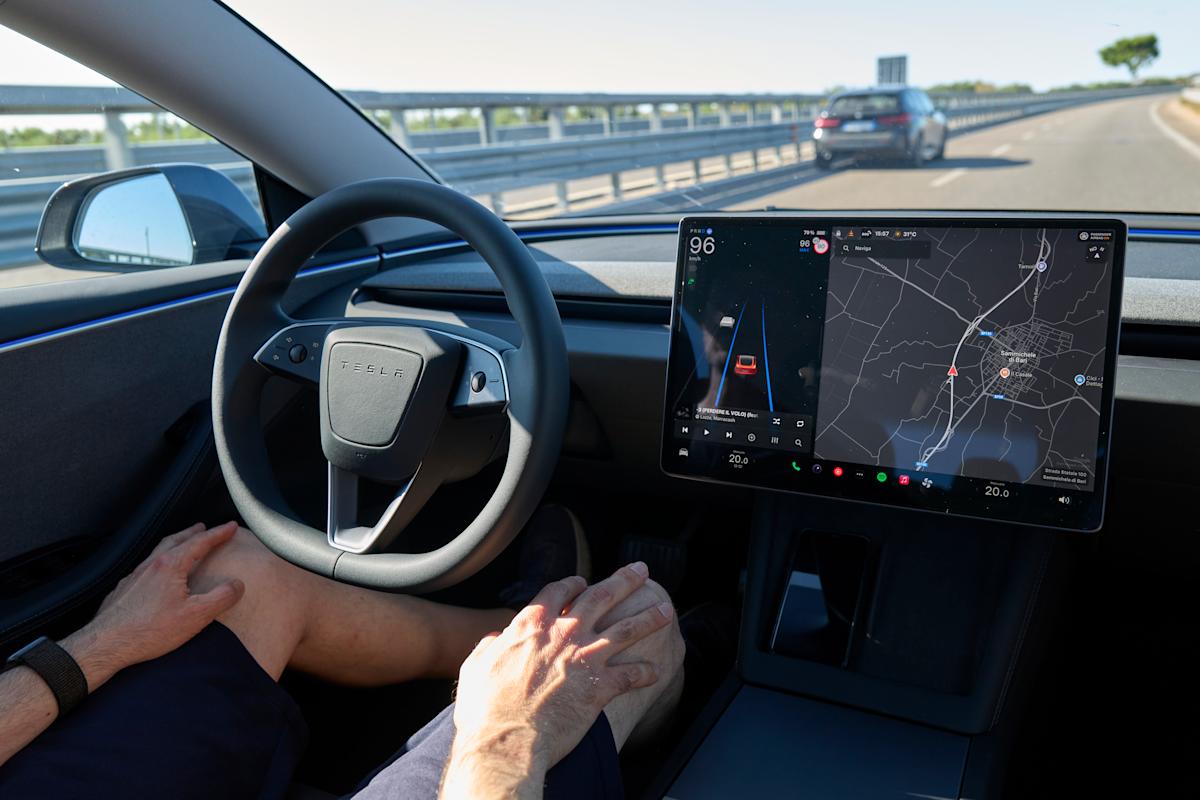
Under the approved conditions, Tesla drivers may take their hands off the wheel under appropriate circumstances. However, it is essential that they remain attentive and ready to intervene at any moment, with restrictions against using phones or reading while the system is engaged.
According to Tesla’s Dutch website, FSD Supervised is available at a subscription rate of 99 euros per month or as a one-time purchase option at 7,500 euros. Notably, in the U.S., Tesla has transitioned to a subscription model and no longer allows outright purchases of FSD.
The Netherlands’ approval is seen as a pivotal step that could pave the way for Tesla’s FSD to gain acceptance across Europe. Nonetheless, the process is not without potential challenges. While RDW can submit an application for EU-wide approval through the European Commission, the application must be voted on by all member states, necessitating a majority consensus for approval.
Despite these hurdles, the positive development in the Netherlands is a significant boost to Tesla’s ambitions for autonomy beyond the U.S. The broader financial community is increasingly optimistic regarding Tesla’s self-driving capabilities. Recently, Bank of America analyst Alexander Perry reinstated a Buy rating on Tesla, assigning a price target of $460. Perry expressed confidence in Tesla’s position, stating, "We view [Tesla] as the current leader in consumer autonomy," and predicted that the company will quickly excel in robotaxi services due to its capacity to scale operations more profitably compared to competitors.
Perry’s optimistic outlook is supported in part by Tesla’s cost advantages. While competitors like Waymo rely on costly LiDAR-based sensor technology, BofA estimates that the cost of building a Waymo robotaxi hovers around $150,000. In contrast, Tesla’s approach, which primarily utilises visual processing, reduces this expense to approximately $40,000 for a Model Y.
In conclusion, the approval of Tesla’s Full Self-Driving software in the Netherlands marks a significant advancement and could serve as a catalyst for broader deployment across Europe. While challenges remain in securing EU-wide approval, the positive market response underscores the growing confidence in Tesla’s self-driving technology as a key component of its future growth strategy.