The shift away from oil and gas, often attributed to climate change, is increasingly being driven by the urgent need for energy security, according to a growing cohort of strategists and industry analysts. Recent upheavals in global energy markets, particularly associated with conflicts in the Middle East and tensions stemming from Iran, have heightened awareness of the vulnerabilities in fossil fuel supply chains. This has ignited fresh discussions on how nations can lessen their dependence on imported hydrocarbons.
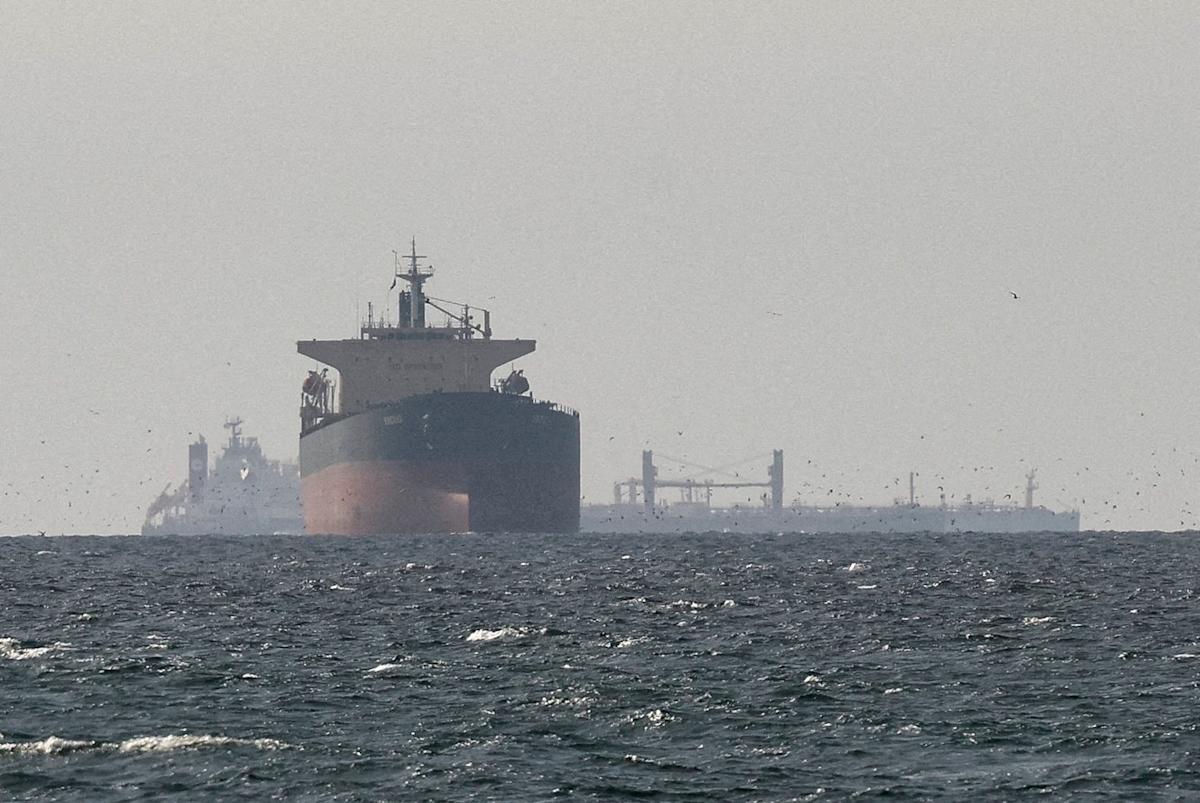
Jeff Currie, head of energy pathways at Carlyle, expressed that the current geopolitical climate is likely to accelerate the energy transition. He noted that historically, energy security has always been a primary concern, with climate change playing a secondary role. The current instability was exacerbated by airstrikes launched by the US and Israel against Iran, which have significantly affected oil supplies. The Strait of Hormuz, a key maritime route for approximately 16 million barrels of oil per day, has seen threats that have effectively closed it off, leading to a marked increase in global oil prices of over 40% since the onset of the conflict.
Currie and other experts assert that the current disruptions highlight a crucial truth: while oil and gas are essential global commodities, their very portability makes them vulnerable to geopolitical strife. Unlike solar panels or electric vehicles, which are imported infrequently, oil is a daily requirement for many nations, making its supply chain particularly susceptible to global shocks.
The fragility of global energy supplies was starkly illustrated by Russia’s invasion of Ukraine in 2022, which severely affected the European energy landscape reliant on Russian gas. Prior to the conflict, approximately 40% of the EU’s natural gas came from Russia. As supply lines were disrupted, power prices rose dramatically, prompting emergency measures across Europe to secure energy for the winter months.
The sabotage of the Nord Stream pipelines further exacerbated the situation, forcing a shift to global liquefied natural gas (LNG) markets. The resulting competition for LNG cargoes between Europe and Asia pushed gas prices to unprecedented levels and revealed Europe’s vulnerability due to its dependency on external energy sources.
In contrast, the US— bolstered by the shale boom and as the world’s leading producer of natural gas and oil—avoids some of the vulnerabilities seen in Europe. However, the predominance of global pricing means that external disruptions still influence domestic fuel costs, linking US natural gas prices to global market swings.
For major energy-importing nations in Europe and Asia, dependence on maritime crude oil and LNG renders them particularly susceptible during geopolitical tensions. As consumption habits evolve, analysts predict that sustained high prices might permanently alter energy consumption behaviors. Frederic Lasserre, from the trading firm Gunvor, remarked that persistent high energy costs could catalyse a shift toward electric vehicles and other lower-carbon options, thereby inducing changes in demand patterns that could be challenging to reverse.
The focus on energy security is also reshaping investment strategies within the sector. As noted by experts, asset valuations are beginning to favour resilience in energy supply chains over mere financial returns, reflecting a growing priority on security. This focus emphasises the importance of energy resiliency even if it requires sacrificing capital efficiency.
While the shift towards renewable energy sources is gaining traction, the timeline for this transition varies significantly across regions and economies. Many developing nations continue to rely heavily on oil due to limited electrical infrastructure, presenting an additional challenge in energy transition. Even in leading markets like Norway, where electric vehicles account for more than half of new car sales, oil demand has not seen a significant decline, demonstrating the complexities in moving away from fossil fuels quickly.
In the US, policies under the previous administration have rolled back numerous green initiatives, impacting long-term energy strategies. The recent decision to invest heavily in hydrocarbon infrastructure instead of renewable energy projects exemplifies the tensions present in the transition narrative. The International Energy Agency has predicted that global demand for hydrocarbons might continue to increase through 2050, driven primarily by the developmental needs of poorer nations.
Despite expectations of durable demand, the geopolitical shocks rolling through the energy markets are catalysing changes in how demand is met and how countries plan around it. Currie believes this shift could lead to an energy transition propelled by necessity rather than voluntary environmental goals, warning that the world may face a coerced transition to energy solutions driven by security concerns in the face of increasing global instability.