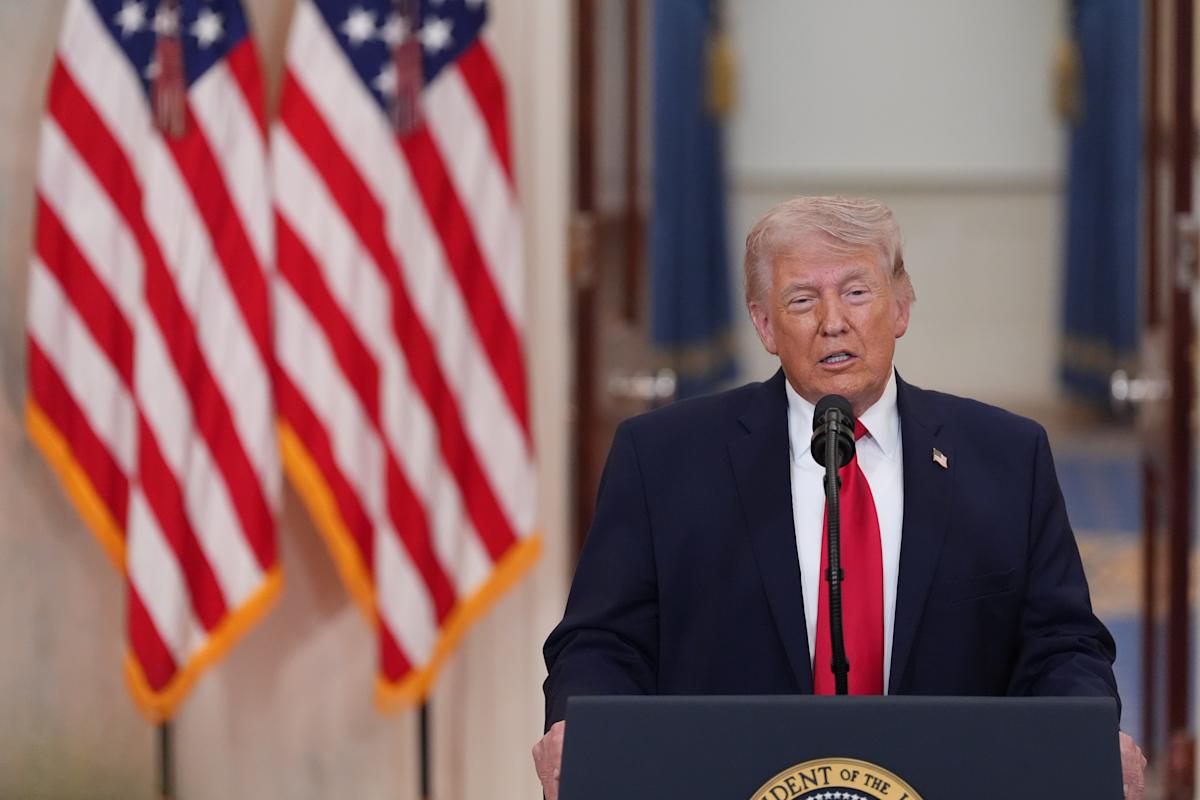
In a recent address to the nation, President Trump proclaimed the United States’ independence from the Middle East, asserting, “We’re now totally independent of the Middle East, and yet, we are there to help.” He emphasised that the US does not require oil or any resources from the region, hinting at a strategic exit from the ongoing conflict in Iran within a few weeks.
However, such statements can be misleading, as they downplay the complexities of global energy dynamics and the potential repercussions of Middle East oil supply disruptions. While it’s true that the US has transitioned into a net exporter of crude oil and natural gas, American consumers are not shielded from the inevitable price spikes that occur due to global supply shortages—something evident to anyone who has refuelled their vehicle recently.
Notably, a significant proportion of the world’s oil supply traverses the Strait of Hormuz, a vital maritime corridor. Approximately 20% of global supplies flow through this narrow passage, and any disruptions can trigger volume fluctuations that affect prices internationally, including in the US. According to Clark Williams-Derry, an energy finance analyst, the net exporter status of the US has minimal influence on domestic petrol prices, which have surged to an average of $4.08 per gallon—over a dollar increase since hostilities in the region escalated.
Moreover, while the US does produce considerable volumes of crude oil, it still imports refined gasoline in various areas across the country. This reliance is further compounded by overlooked products that are also crucial in trade, including helium and fertilisers—both of which are produced heavily in the Middle East. The region’s stability is crucial as shortages of these essential goods are already manifesting in the US, driven by a rise in global market prices.
According to a report published by the United Nations trade and development body, emergent shortages could have severe implications that extend beyond rising petrol costs. For instance, a combination of heightened energy and fertiliser costs, alongside increased transport expenses, could escalate food prices and further strain the cost of living, particularly for vulnerable populations.
Helium, which is integral to semiconductor production, is predominantly sourced from Qatar, the world’s second-largest producer. Current global shortages may hamper advancements in sectors such as artificial intelligence, a concern highlighted by economist Andreas Steno Larsen, who warned that the helium deficit could hinder progress in technology.
The implications of escalating tensions in the Middle East, therefore, extend far beyond mere fuel prices. Such crises can lead to broader economic repercussions, affecting various industries and consumer markets. As the situation unfolds, the interconnectedness of global economies makes it clear that while the US may not rely directly on Middle Eastern oil, the ramifications of regional instability are felt far and wide.
In conclusion, while Trump’s rhetoric may suggest a certain level of detachment from Middle Eastern affairs, the reality is that global interdependence remains critical. The potential impacts of conflict in the region on both energy prices and supply chains underscore the importance of a nuanced approach to foreign policy and trade relations moving forward.