Table of Contents
World Liberty Financial Proposes Major Governance Restructure for WLFI Tokens
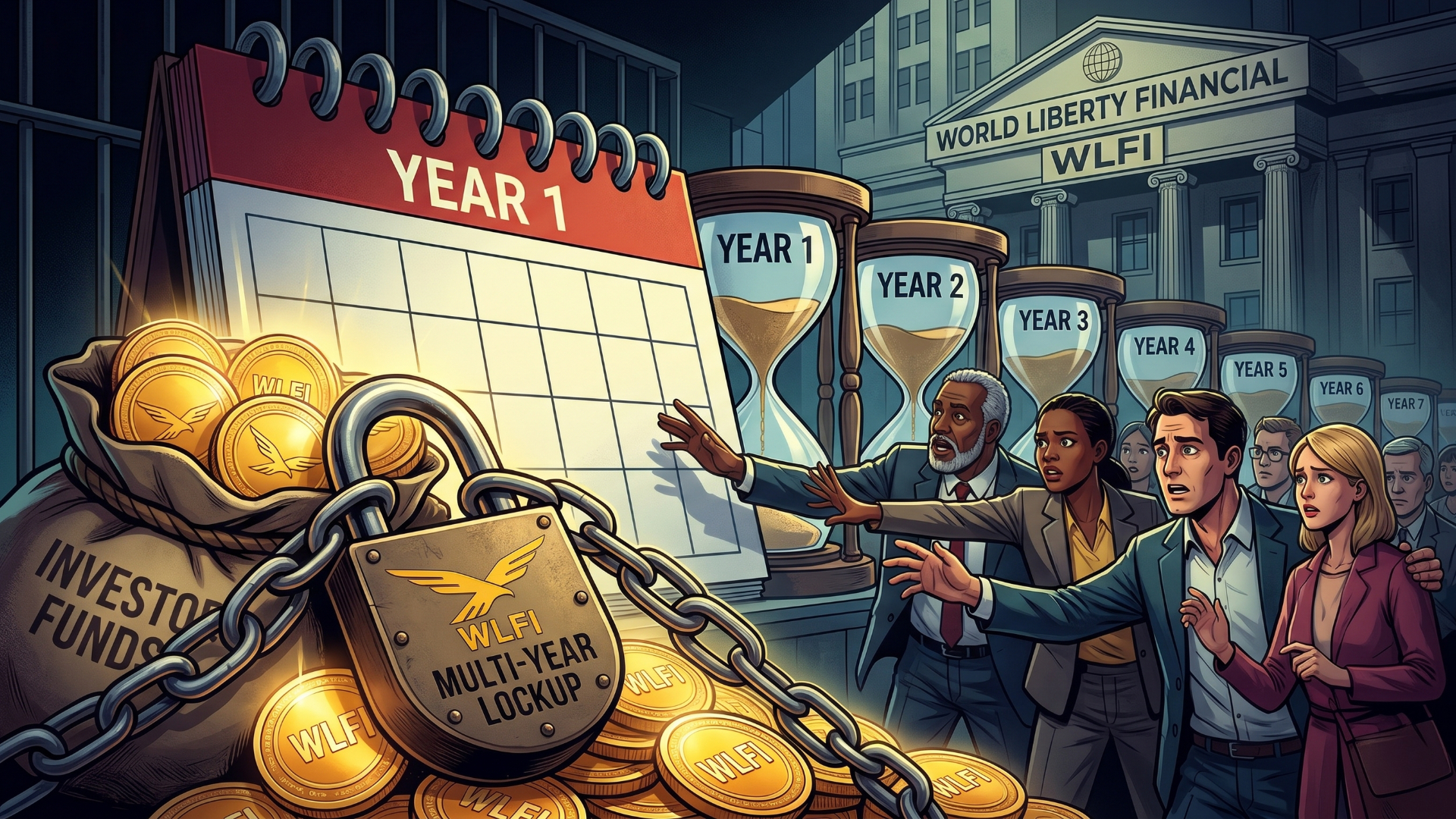
World Liberty Financial has initiated a significant governance proposal aiming to restructure the vesting timeline for 62.3 billion WLFI tokens, which could limit access to holdings valued at approximately US$1.3 billion (AU$1.89 billion). The proposal introduces multi-year lockup periods for these tokens, replacing the previous undefined unlock timeline with more structured vesting schedules aimed at enhancing stability and investor confidence.
Key Details of the Proposal
- Vesting Schedule: The new framework targets two distinct groups:
- Early Supporters: Those holding 17 billion tokens will face an initial two-year cliff period, during which they will not have access to their funds. Following this, a linear vesting schedule will allow gradual access over the subsequent two years, culminating in total access by mid-2029.
- Founders and Insiders: The 45.2 billion tokens allocated to founders, team members, advisors, and partners are subject to stricter conditions. These holders will see an immediate burn of 4.5 billion tokens, equating to approximately 10% of this allocation. The remaining tokens will be locked under similar cliff and vesting conditions, extending full access to around mid-2030.
Participation and Consequences
Token holders will have a narrow opt-in window of 7 to 10 days after the proposal is put into effect. Those who choose not to participate will maintain their governance voting rights but may face indefinite lockups, lacking clear pathways to access liquidity.
World Liberty Financial, a cryptocurrency initiative associated with the Trump family, launched its token presale on September 1, 2025, initially unlocking 20% of the total tokens. The newly proposed vesting structure applies to the remaining 80%, potentially postponing returns for early investors beyond the electoral cycle that often influences the visibility and success of the project.
Token Burn Initiative
The decision to burn 4.5 billion tokens is designed to lower the circulating supply, reinforcing the commitment of insiders while attempting to stabilise the token’s value in a volatile market. This strategic move represents about 7.2% of the overall supply under the proposal.
Conclusion
Overall, the governance restructure proposed by World Liberty Financial marks a significant shift in token management aimed at boosting investor confidence and ensuring long-term stability in the project’s ecosystem. With a clearly defined vesting schedule and a systematic approach to handle the distribution of tokens, the company appears to be taking steps to foster a more transparent and stable environment for all stakeholders involved.
This restructuring comes at a crucial time for the cryptocurrency market, where investor sentiment remains sensitive to such governance changes. The storage of assets under definitive schedules may not only impact internal dynamics but also the broader adoption of WLFI tokens in the coming years.