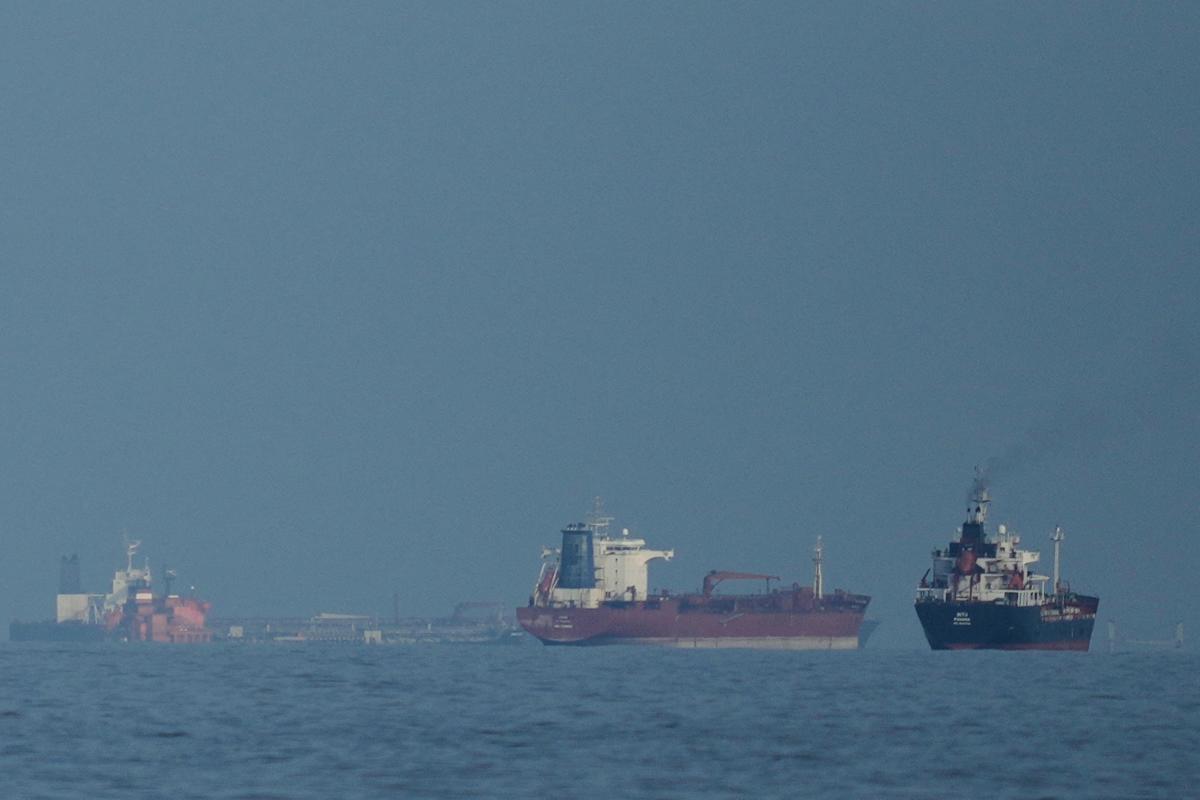
Trump’s Strong Warning to Iran Amid New Blockade on Strait of Hormuz
On Monday, President Trump issued a stern warning regarding Iranian naval movements in the Strait of Hormuz, coinciding with the initiation of a US blockade in this vital maritime corridor. Trump declared that the Iranian Navy "is laying at the bottom of the sea, completely obliterated – 158 ships," in a social media post that reaffirmed his administration’s aggressive stance towards Iran.
Despite noting that the US had not engaged with a limited number of so-called "fast attack ships" from Iran, Trump made it clear that any vessel approaching the blockade would face immediate destruction. "Warning: If any of these ships come anywhere close to our BLOCKADE, they will be immediately ELIMINATED, using the same system of kill that we use against the drug dealers on boats at Sea," he stated.
The blockade commenced on Monday at 10 AM ET, aiming to restrict Iranian oil exports and diminish Tehran’s control over the Strait, through which a significant portion of the world’s oil trade flows. Following this announcement, crude oil prices soared; West Texas Intermediate surged over 5%, surpassing $102 per barrel, while Brent crude rose about 6%, reaching approximately $101.
The ongoing conflict that erupted on February 28 has caused disruptions, pushing fuel-importing nations to aggressively compete for diminishing supplies. This scarcity has resulted in significant inventory depletion and what analysts describe as "involuntary demand destruction" as the availability of fuel continues to dwindle. JPMorgan’s Natasha Kaneva indicated that signs were emerging of mounting strains within the global oil supply chain.
As a reflection of these tensions, Brent crude hit a staggering $126 per barrel on Friday, following a record high of $144 earlier in the month. Tom Kloza, a leading energy advisor at Gulf Oil, remarked on Monday that "futures are NOT really indicative of the very steep prices we are seeing." He explained that the traditional price gap between the physical oil market and Brent futures contracts is normally just $1-$2 per barrel, but current market conditions suggest that immediate crude availability incurs much higher costs than futures prices would imply.
Given the geopolitical landscape and the tightening oil supply, the implications for global markets are extensive, highlighting the critical nature of energy resources and the vulnerabilities associated with geopolitical tensions. As this situation evolves, stakeholders within the global economy will remain keenly attuned to developments in the Strait of Hormuz and their implications on international oil prices.
For comprehensive analysis and the latest updates on financial markets and business events, please check back with reliable financial news sources.