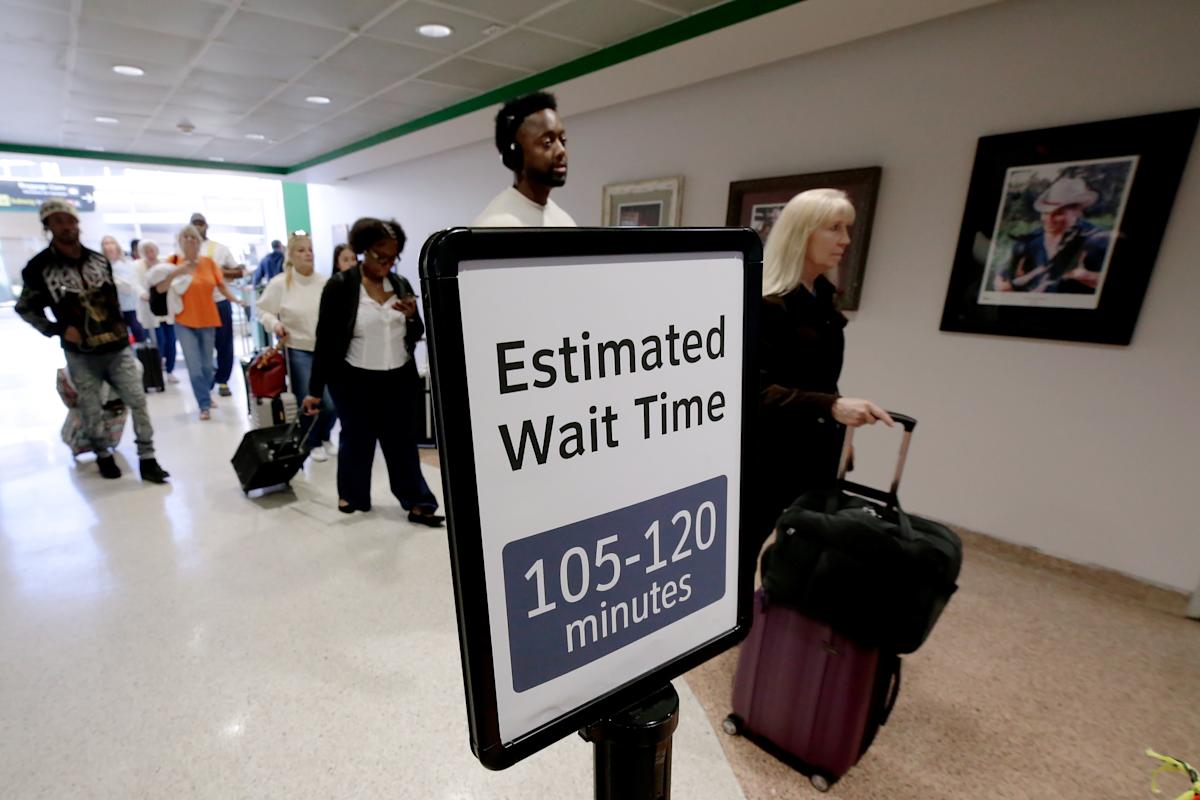
The Transportation Security Administration (TSA) faces significant staffing challenges, with over 1,500 officers having left the agency amid ongoing government shutdowns. Approximately 480 of these resignations occurred during the current 40-day standoff, which has exacerbated the already lengthy airport security lines, reaching up to 4.5 hours at certain locations. Ha Nguyen McNeill, a senior TSA official currently performing the administrator’s duties, expressed concerns that this trend might persist, even after funding is restored.
During a congressional hearing, McNeill indicated that the departing employees would have lasting effects on staffing levels, as new hires require four to six months of training before they can work at security checkpoints. This challenge is particularly pressing with the upcoming FIFA World Cup in June, where the influx of travellers may overwhelm an already stretched system.
McNeill painted a worrisome picture of the TSA’s future, labelling the situation a “perfect storm” of staffing shortages. Her testimony coincided with input from other Department of Homeland Security officials, highlighting the broader repercussions of the funding lapse across various agencies, including the Coast Guard and FEMA. Admiral Thomas Allan of the Coast Guard noted that funding interruptions have led to “severe and lasting consequences” for his department.
As the TSA contends with the repercussions of this shutdown, around 50,000 TSA officers continue to work without pay. With spring break travel escalating and total traffic volume increasing by 5% over last year, TSA operations are under significant pressure, screening approximately three million passengers on peak days. Many TSA workers are resorting to extreme measures, such as sleeping in their cars and taking on second jobs, to make ends meet.
Additionally, call-out rates at some airports have climbed above 40%, leading to heightened challenges in managing passenger flow. McNeill acknowledged the agency’s efforts to prepare for increased traffic during the World Cup but cautioned that without adequate staffing, operational capabilities would be compromised.
The TSA’s struggles are part of a larger impasse concerning the funding of the Department of Homeland Security, fraught with political tensions. Lawmakers are negotiating funding plans that aim to address the complexities surrounding the agency’s budget, particularly concerning Immigration and Customs Enforcement (ICE). The urgency of these discussions has intensified as a two-week recess approaches.
President Trump conveyed his frustration with the current proposals and indicated that he might sign off on an agreement that passes, albeit with reservations. He attributed the ongoing issues at airports to a failure in leadership by Democrats and hinted at the possibility of deploying the National Guard and additional resources to alleviate the situation.
In summary, the TSA is grappling with severe staffing shortages and operational challenges exacerbated by the ongoing government shutdown, leading to prolonged security lines and employee hardship. The outcome of ongoing political negotiations will be crucial in determining the agency’s ability to manage upcoming traffic surges effectively and restore normalcy to air travel.