Iran and the US: Key Sticking Points in Ceasefire Negotiations
As negotiations continue around the temporary ceasefire between the United States and Iran, both parties appear to remain entrenched in positions that reflect significant differences on crucial issues.
Recent reports suggest that while an official version of the White House’s 15-point plan has not been released, Iranian demands have surfaced through various channels, particularly via social media platforms. Iran’s list of ten demands, disseminated by an account linked to prominent officials, echoes sentiments previously expressed by Iranian authorities and aligns with their long-standing positions.
One of the most critical sticking points concerns Iran’s nuclear programme. The US is adamant that Iran must entirely dismantle its nuclear capabilities, a position reiterated by President Trump. He stated emphatically that there should be no uranium enrichment and mentioned the possibility of US forces extracting Iran’s nuclear materials directly if necessary. Conversely, Iran’s demands include the US acknowledging its right to enrich uranium, a stipulation likely viewed as unacceptable by the White House.
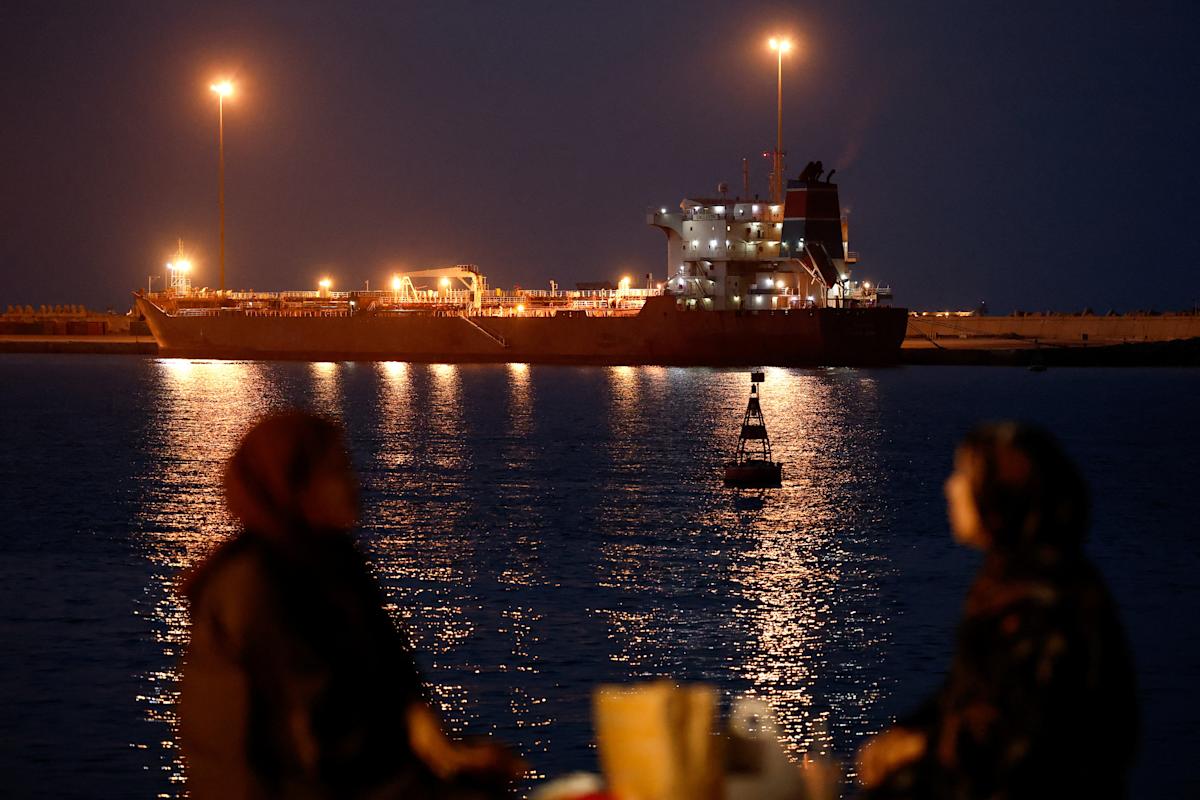
In addition to nuclear issues, another contentious point involves the Strait of Hormuz. Iran has called for full control over this vital shipping passage, a move that would significantly boost its geopolitical leverage. During ongoing negotiations, Iran has agreed to allow limited ship movements through the strait in exchange for a toll, raising concerns about the implications of such a concession for regional security and trade.
Despite the ongoing discussions, actual movements through the Strait have been limited, even with claims of a potential reopening. Experts have noted the absence of significant shipping activity, suggesting that the situation remains precarious.
Furthermore, Iran insists on the withdrawal of all US forces from the Middle East, proposing a guarantee against future US aggression. This demand directly challenges the longstanding security framework the US provides to its Gulf allies. Although President Trump has expressed a desire to reduce military presence in the region, a full withdrawal could destabilise the already fragile geopolitical landscape.
The Israeli military’s ongoing actions in Lebanon further complicate the ceasefire talks. Israel has maintained its offensive operations against Hezbollah, an Iranian affiliate, highlighting the interconnected nature of regional conflicts and the potential for escalation.
Continued Israeli strikes in Lebanon have led Iranian officials to accuse Israel of violating the ceasefire terms, raising concerns that the ongoing military actions could derail the broader negotiations. As of now, reports confirm that military actions persist, prolonging uncertainty ahead of key talks scheduled to take place in Islamabad.
In conclusion, both Iran and the United States are positioned far apart on key issues, complicating the prospect of a durable ceasefire and raising questions about future stability in the region. As negotiations unfold, the international community will be closely watching how these dynamics will affect regional and global security.