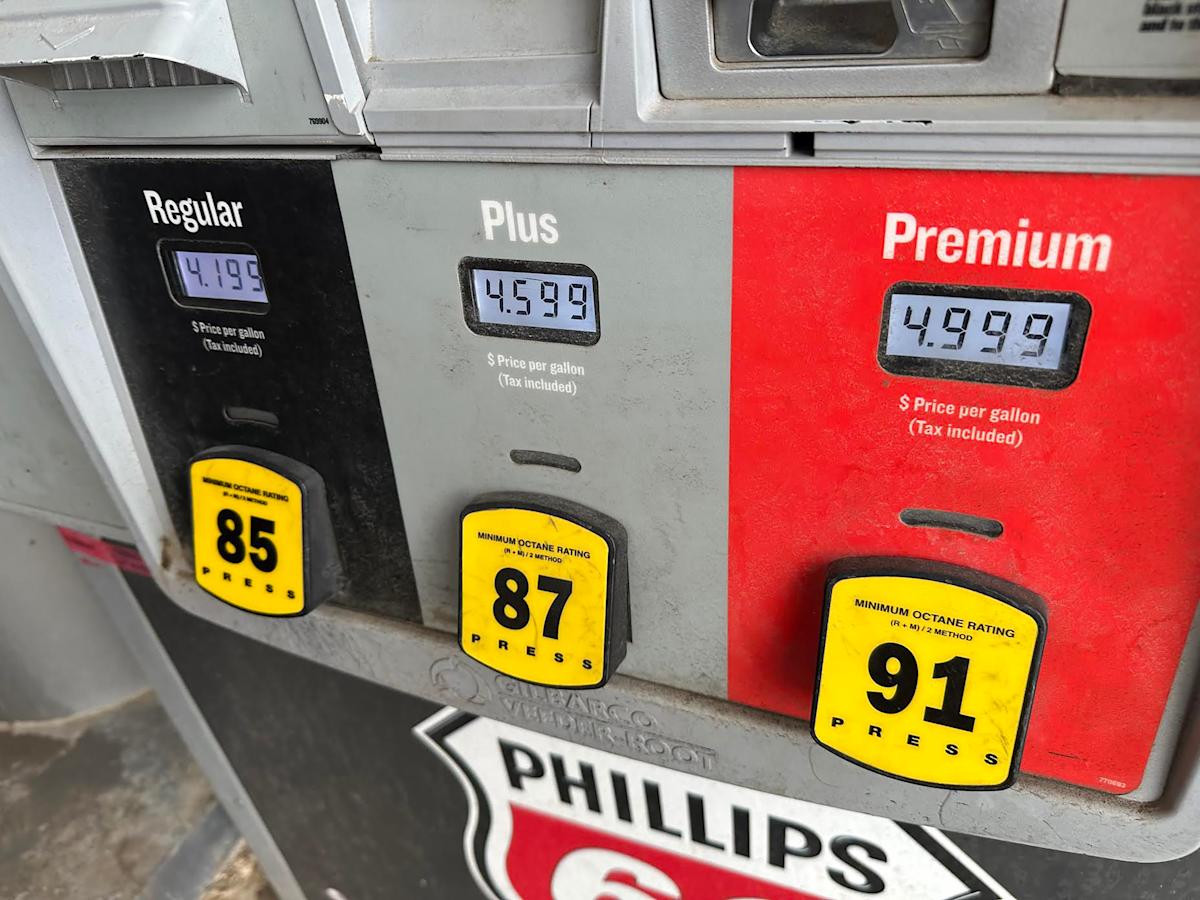
Gasoline Prices Surge Amid Ongoing Conflict
As of Tuesday, gasoline prices across the United States have reached a national average of $4.02 per gallon, marking the highest price level since August 2022, according to data from the American Automobile Association (AAA). This increase comes as the US-Iran conflict extends into its fifth week, contributing to an approximately $1 rise in fuel costs over the last month, with most of the increase occurring since the onset of tensions in the Middle East.
The national average price at the pump was recorded at $4.018 per gallon, a figure that represents the largest monthly increase on record observed by the data firm GasBuddy. Since the war began, the price of international Brent crude and US West Texas Intermediate (WTI) crude has escalated by about 50%, with current futures trading at approximately $107 and $102 per barrel respectively.
In a bid to alleviate pressure on fuel prices just ahead of the busy driving season, the Trump administration has introduced measures such as an emergency waiver for the sale of E15 gasoline, aimed at boosting the availability of cheaper fuel. Furthermore, a temporary suspension of the so-called "Jones Act" was enacted to reduce shipping costs on domestic routes. However, despite these efforts, significant reductions in the price of gasoline at the national level remain elusive.
While consumers have felt the pinch of higher costs at the fuel pump, the situation is even more acute for commercial truckers, who are currently facing an average diesel price of $5.45 per gallon. This price also reflects a record increase, as reported by GasBuddy.
Economic analysts warn that if the conflict persists, there will likely be continued upward pressure on oil prices and, consequently, prices of refined products such as gasoline, diesel, and jet fuel. In a recent adjustment, Goldman Sachs raised its forecast for Brent crude, expecting prices could climb to $115 per barrel, driven by the risk premium associated with ongoing disruptions. Some senior officials from Saudi Arabia have even suggested that if the conflict endures through April, Brent could reach as high as $180, with Macquarie strategists predicting it might escalate beyond $200 if the unrest continues into June.
As the situation develops, market participants are poised to monitor further changes in energy prices, which may notably affect consumer spending and broader economic conditions.
For ongoing updates and analysis on stock market movements, refer to the latest financial news sources, including Yahoo Finance.
This summary distills the essential points from the original content while retaining relevant details about rising gasoline prices, the impact of the current geopolitical climate, and market forecasts.