Westpac Leads Interest Rate Hikes among Aussie Banks as Forecasts Suggest More to Come
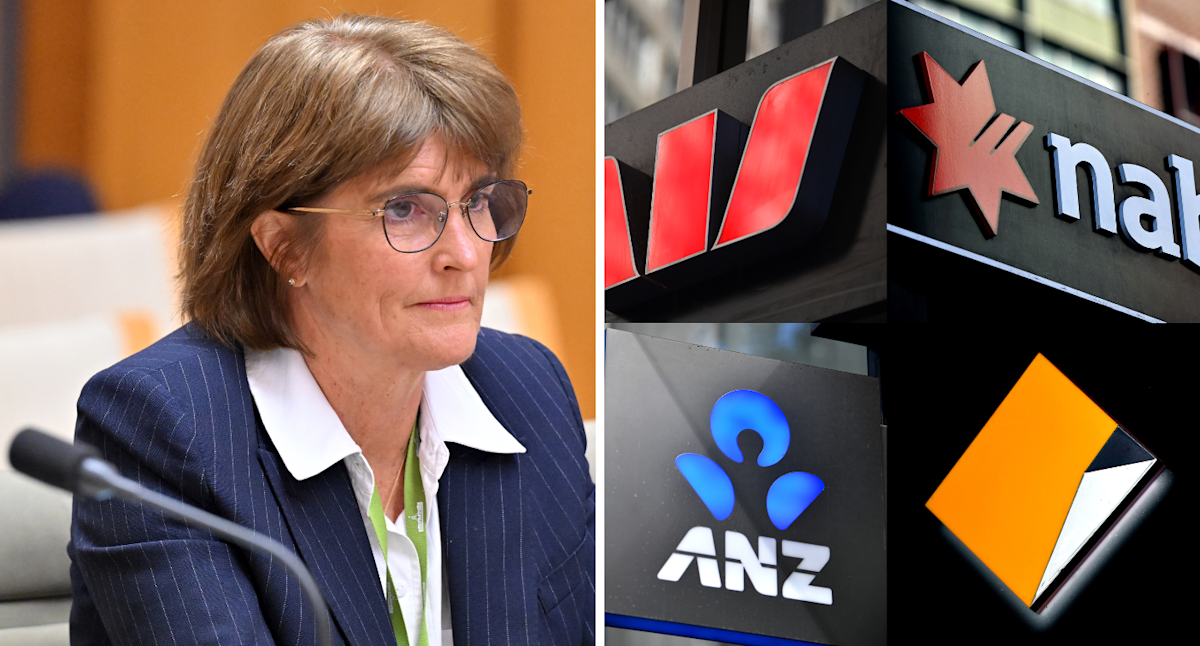
In a significant move, Westpac has become the latest major bank to increase its fixed home loan interest rates, signalling the conclusion of rates starting with a ‘5’ among the Big Four banks. Predictions indicate that Australian mortgage holders will potentially face up to three further rate hikes within this year, a trend reminiscent of the period following the Global Financial Crisis (GFC).
Westpac’s recent adjustments saw fixed rates rise by as much as 0.45 percentage points, landing at 6.14 per cent for its most competitive two-year term. This increase is part of a broader surge affecting 63 lenders following a decision by the Reserve Bank of Australia (RBA) to raise the cash rate a fortnight ago.
ANZ has also raised its fixed rates again earlier this week, less than three weeks after its previous hike, with increases of up to 0.40 percentage points. Commonwealth Bank and NAB followed suit last week, with hikes of up to 0.30 and 0.35 percentage points, respectively. Notably, other institutions like Macquarie, Bendigo, ING, and the Bank of Queensland have similarly adjusted their fixed rates.
Out of the major banks, NAB currently offers the lowest fixed rate at 6.04 per cent for a one-year term, while the most competitive rate available across the market is observed at 5.59 per cent.
Sally Tindall, Director of Insights at Canstar, commented on the swift shift in the rate cycle, stating, "With over 60 lenders increasing fixed rates since the RBA’s March meeting, the market appears to be preparing for potential further tightening amid rising global pressures that are affecting local costs."
Further, Tindall asserted that Westpac’s revised cash rate projections indicate a likelihood of additional rate increases on the horizon, suggesting that tougher economic conditions might be forthcoming. She warned that while these rate changes seem imminent, their certainty depends on broader economic performance. A significant retraction in consumer and business spending could stall the economy, prompting the RBA to reconsider its course.
Westpac’s forecasts estimate that the RBA may implement rate hikes in May, June, and August, which, if realised, would elevate the cash rate to 4.85 per cent—its highest level since November 2008.
The underlying reasoning behind this escalation, according to Westpac’s Chief Economist Luci Ellis, includes enduring disruptions to fuel supply and a slower-than-anticipated recovery, alongside the rapid influence of heightened fuel prices on domestic inflation. "We anticipate that the RBA will react to this pricing behaviour with stricter monetary policies than would otherwise have been necessary," Ellis stated.
Additionally, the other major banks are similarly bracing for another rate increase in May. All major banks have fully communicated the RBA’s March rate hike to customers with variable home loans. Presently, Westpac boasts the lowest advertised variable rate among this group at 5.74 per cent, while the most competitive rate available in the market is approximately 5.50 per cent.
As economic pressures continue to shape the landscape for homeowners and prospective borrowers, this recent wave of rate hikes underscores a critical juncture for financial planning and future borrowing in Australia.
Summary
Westpac has raised its fixed interest rates, joining other major banks in anticipation of further RBA hikes this year, possibly bringing the cash rate to its highest since 2008. This adjustment affects numerous lenders, leading to increased rates across the board, with potential implications on the broader economy depending on consumer and business behaviours.