Optimistic Views on AI’s Impact on Employment
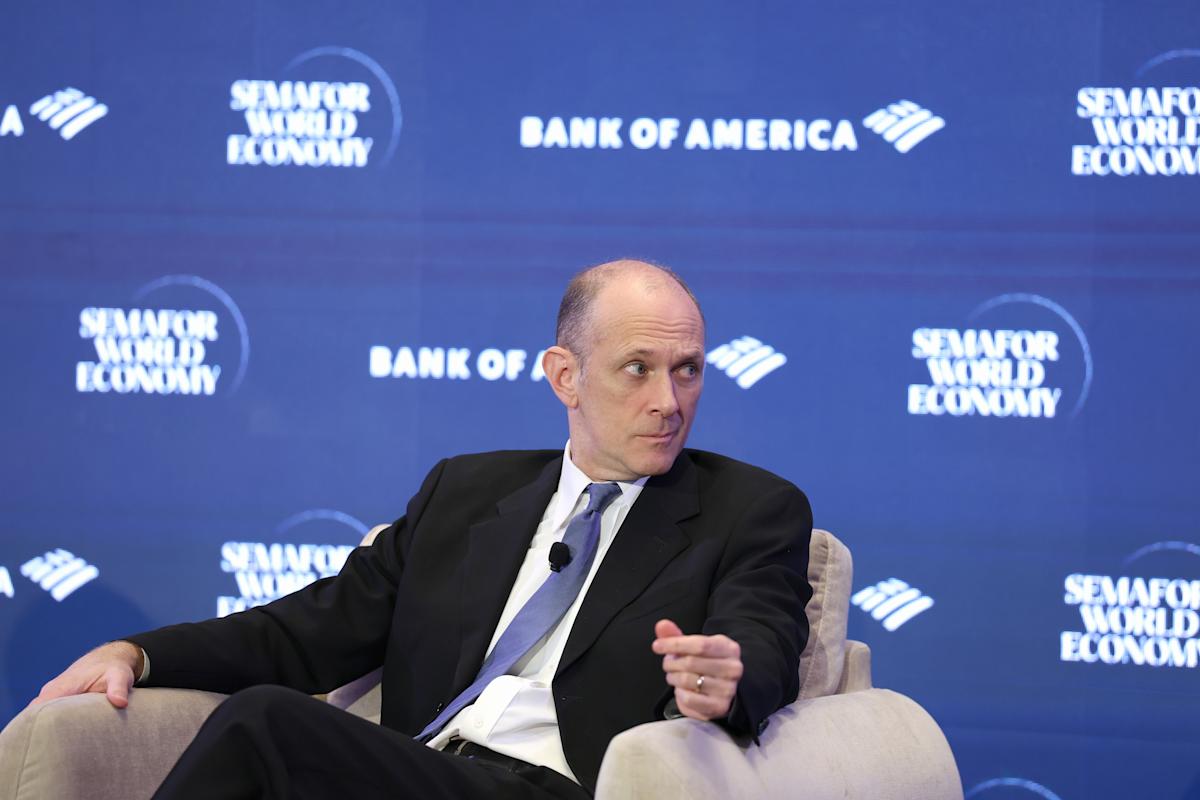
Recent commentary from a prominent Federal Reserve official has provided a more positive perspective on the impact of artificial intelligence (AI) on the future of employment. Austan Goolsbee, president of the Chicago Federal Reserve Bank, expressed his belief that AI, if it delivers the productivity boosts that many expect, has the potential to enhance economic wealth rather than diminish employment. Speaking at the Semafor World Economy conference, Goolsbee stated, "I think if AI has the improvement to productivity that everyone’s describing, it’s going to make us rich." He challenged pessimistic forecasts that suggest unemployment could soar to 15% in the next decade, asserting confidence that the steady-state unemployment rate will remain much lower.
Goolsbee acknowledged that while the transformation of job roles is inevitable, history shows that new technologies often create more jobs than they eliminate. Referring to previous technological revolutions, he highlighted a pattern of temporary disruptions leading to long-term job creation.
This optimistic stance sharply contrasts with a controversial report from Citrini Research released in February, which painted a dire picture of a "doom loop" driven by AI. The report forecasted a possible rise in U.S. unemployment to 10% by 2028, predicting widespread job losses for high-income knowledge workers as businesses adopt autonomous AI solutions.
While concerns about rising unemployment persist—particularly in light of significant layoffs at major companies like Block, Amazon, Oracle, and Meta—the immediate outlook does not appear as grim as suggested. Major recent layoffs include a staggering 40% workforce reduction at Block, which Goolsbee’s comments underscore as a short-term reaction rather than a sign of a broader trend.
Block’s CFO, Amrita Ahuja, urged other executives to explore AI tools, noting, "You often don’t get the ‘aha moment’ until you realise you’ve automated a piece of your work." This sentiment reflects a growing recognition within the tech industry that AI can enhance productivity rather than simply replace jobs.
Similarly, Oracle experienced substantial layoffs that reportedly reached up to 30,000 employees across several countries, further emphasising the seismic shifts occurring in tech employment. Following this, research from Challenger, Gray & Christmas noted that over 52,000 tech employees in the U.S. were laid off in the first quarter of 2026, many of which were linked to AI implementation. March alone saw 18,720 job cuts, marking a 40% year-on-year increase—the highest quarterly total for tech since 2023, where over 102,000 cuts were recorded.
Despite these alarming figures, experts warn that the increased productivity driven by AI will eventually lead to new job creation, albeit in different capacities. Economist Nouriel Roubini remarked, "In the long run, of course, you get the massive increase in productivity, and you start to see job shedding," noting the challenges presented by an aging population and strict immigration policies.
In conclusion, while the advent of AI may present immediate challenges to job security, there lies a strong belief among experts, including Goolsbee, that the long-term scenario will favour economic growth and a net increase in employment opportunities. The debate about AI’s effect on employment is likely to continue, but so too will the exploration of its capacity to transform the workforce positively.
For comprehensive insights into the latest developments in the stock market and trends shaping the financial landscape, stay connected with reputable financial news sources.