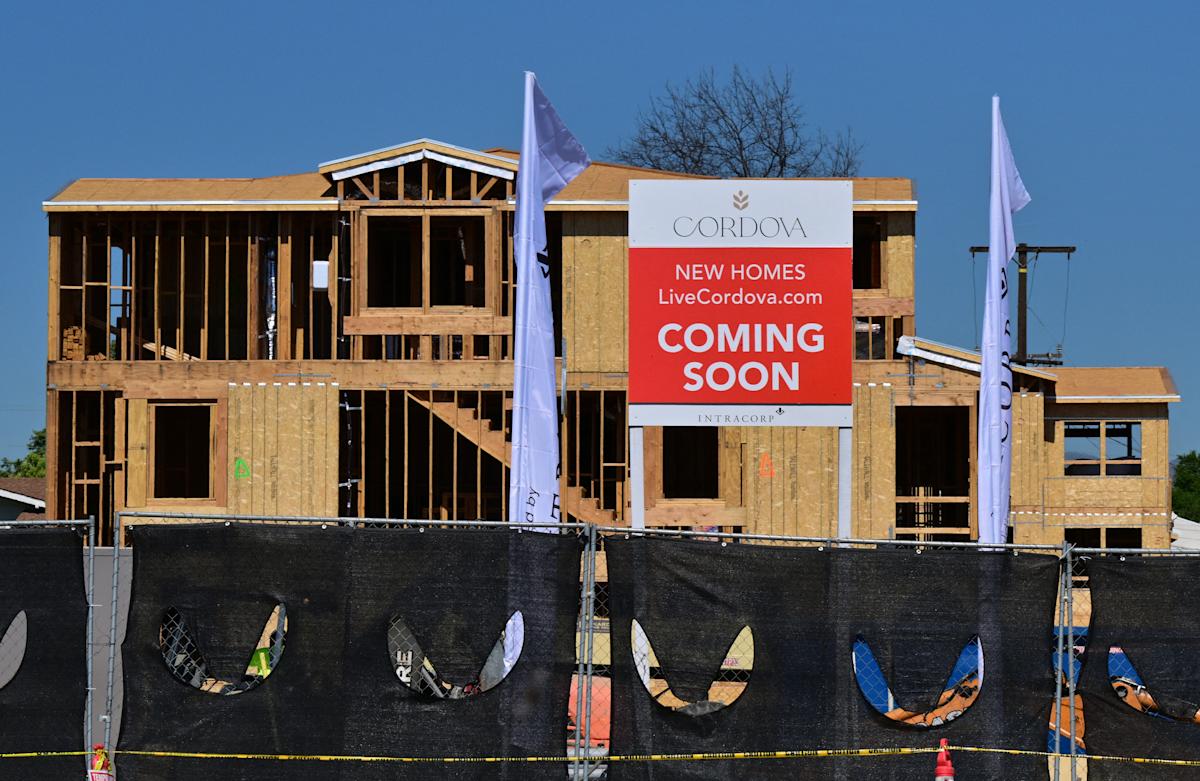
The US housing market is facing significant obstacles before it can achieve a resurgence in growth. According to Zillow Group CEO Jeremy Wacksman, lower mortgage rates are beneficial, but they only address a fraction of the affordability issue for buyers. Even a reduction of one percentage point in mortgage rates may offer minimal relief, as home prices have surged by 60% to over 80% compared to pre-pandemic levels in many areas. The core of the problem, Wacksman argues, lies in the need for increased housing supply.
To tackle the housing shortage, Wacksman suggests that reforms at the local level are essential. This includes easing zoning restrictions, expediting permitting processes, and fast-tracking approved designs for modular and affordable housing. Without these measures, the housing market is likely to remain stagnant.
The current state of the US housing market can be described as “two-speed,” with stabilising mortgage rates conflicting with emerging geopolitical uncertainties. Notably, the Trump administration’s previous $200 billion liquidity boost from mortgage bond purchases had briefly lowered 30-year fixed rates below 6% in February. However, recent geopolitical tensions, particularly the war in Iran, have disrupted this progress. Mortgage rates have now surged to 6.54% as of March 25, driven by rising oil prices and inflation concerns—marking their highest point in six months with no clear indication of a decline.
Affordability continues to be a critical barrier for prospective homebuyers. Currently, the average household allocates nearly 47% of its annual income to recurring expenses, with housing costs being the most significant burden.
Despite a modest 4.9% year-on-year increase in inventory levels, homes for sale remain limited, with a supply that stands at just 3.8 months. This is well below the six-month mark considered necessary for a balanced market, which in turn continues to sustain prices, especially in resilient regions like the Midwest and Northeast.
Rob McGibney, CEO of KB Home, commented on the market’s challenges during an earnings call. He noted that while sales had appeared promising in the first week of March, activity has slowed recently, a development he attributes to the ongoing Middle Eastern conflict that began at the end of February. He expressed uncertainty about the duration of the conflict and its implications on consumer sentiment and confidence, suggesting that current events may be weighing heavily on buyers’ decisions.
In summary, while the US housing market experiences some stabilisation in mortgage rates, serious challenges remain that prevent a return to robust growth. The critical issue of housing affordability, combined with limited supply and geopolitical uncertainties, contributes to a complex scenario that buyers and industry executives must navigate in the coming months.